
How To
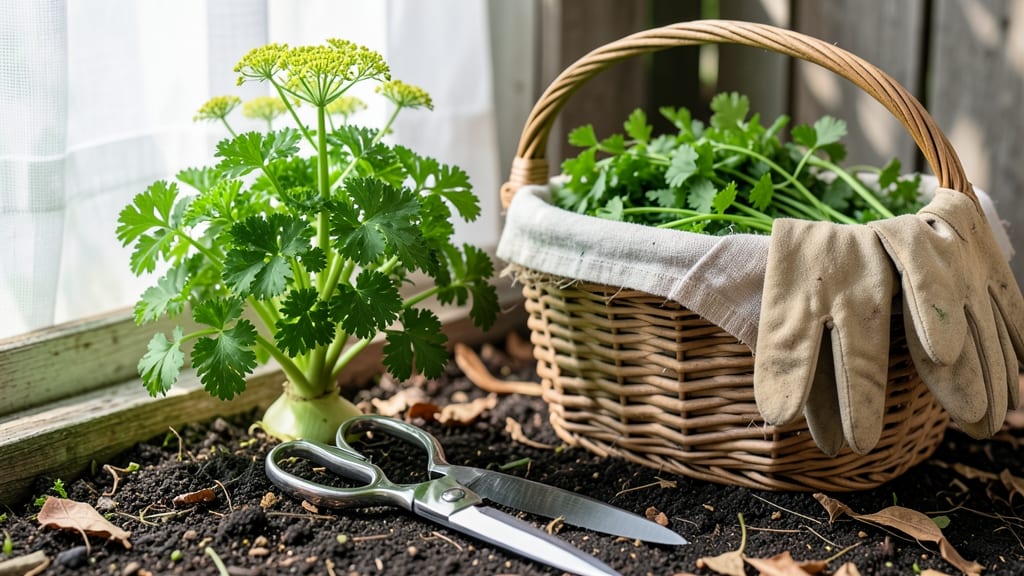
Harvesting parsley the best way ensures you get flavorful leaves and keep your plant thriving for months.
If your parsley plants are thriving but you’re unsure when to harvest—or how to do it without killing the plant—you’re missing out on peak flavor and long-term growth. The secret lies in knowing exactly when stems snap easily and how to trim for regrowth.
Parsley 🌿 grows best when harvested at the right time, typically when leaves reach 3-6 inches and stems bend slightly but don’t break. Cutting too early stunts growth, while waiting too long makes leaves tough and bitter.
Below, I’ll walk you through the step-by-step harvesting method, including how often to trim, which leaves to pick, and how to store your harvest for freshness. You’ll learn the tricks to keep your parsley productive all season.
When to harvest parsley for peak flavor and easy stem snapping
Harvesting parsley at the right time ensures maximum flavor and encourages healthy regrowth. The key is waiting until leaves reach 3-6 inches long—this signals they’re fully developed and packed with flavor.
If you harvest too early, you’ll sacrifice taste and stunted growth, while waiting too long risks the plant becoming woody or flowering, which dulls its flavor.
I’ve found the stem snap test is the easiest way to check readiness. Gently pinch a stem between your fingers—if it snaps cleanly (not bends or breaks unevenly), the plant is ready.
This test works for both flat-leaf and curly parsley, ensuring you’re harvesting at peak freshness without damaging the plant.
Seasonal timing also matters. In spring and fall, parsley grows best, and you can harvest continuously. Avoid harvesting during hot summer months, as the plant may bolt (flower prematurely), which makes leaves bitter. Instead, focus on early morning harvests when flavors are most concentrated.
Here’s a quick reference for parsing the perfect harvest window:
| Harvest Indicator | What to Look For | Best Time to Harvest |
|---|---|---|
| Leaf Size | Leaves 3-6 inches long, fully unfurled | Spring & Fall (avoid summer heat) |
| Stem Flexibility | Stems snap cleanly (not bend or break unevenly) | Early morning (highest flavor) |
| Plant Maturity | At least 5-6 mature leaves per plant | Before flowering (prevents bitterness) |
| Seasonal Timing | Cool weather (spring/fall), avoid frost | May-October (mild climates year-round) |
For flat-leaf parsley, which is often used in cooking, harvest the outer leaves first. This method encourages the plant to produce new growth from the center, keeping it bushy and productive.
Curly parsley, often used as a garnish, can be harvested similarly, but its leaves are more delicate, so handle them with care to avoid tearing.
One mistake I see often is harvesting too much at once. Never cut more than one-third of the plant in a single session. This rule applies whether you’re harvesting leaves or stems.
Over-harvesting stresses the plant and can lead to leggy growth or even death. Instead, aim for small, frequent harvests to maintain a steady supply of fresh parsley.
If your parsley starts to bolt (flower), it’s a sign it’s past its prime. Bolted parsley loses flavor and becomes tough. To prevent this, harvest regularly and keep the plant in partial shade during hot summer days.
Mulching around the base also helps retain moisture and cool the roots, extending the harvest season.
Pro tip: Store harvested parsley in the fridge for up to 1 week by wrapping stems in a damp paper towel and placing them in a plastic bag.
For long-term storage, freeze chopped parsley in an ice cube tray with water—perfect for adding to soups or sauces later. This preserves both flavor and texture for months.
By following these cues—leaf size, stem snap test, and seasonal timing—you’ll enjoy peak-flavor parsley all season long while keeping your plants healthy and productive. Happy harvesting! 🌿
Step-by-step parsley harvesting techniques for healthy regrowth
Harvesting parsley correctly is the key to keeping your plants productive and flavorful. The cut-and-come-again method and selective leaf picking are two proven techniques, but timing and technique make all the difference.
If you cut too much at once or harvest at the wrong stage, you risk stunting growth or even killing your plant. Let’s dive into the best practices to maximize your harvest while ensuring your parsley keeps thriving.
Before grabbing your shears, check for these signs of readiness: leaves should be 3-6 inches long, stems should snap easily (not bend or tear), and the plant should have at least 5-6 mature leaves.
Avoid harvesting when parsley is flowering, as this signals the end of its productive cycle. Now, let’s walk through the exact steps to harvest parsley like a pro.
Best Way to Harvest Parsley: Step-by-Step Guide
-
Step 1: Choose the Right Tool
Use clean, sharp scissors or pruning shears to avoid crushing stems. A serrated knife works too, but always sanitize tools first to prevent disease.
-
Step 2: Pick the Harvest Method
Cut-and-come-again: Snip outer stems 2-3 inches above the soil to encourage bushier regrowth. Ideal for flat-leaf parsley. Selective leaf picking: Pinch off individual leaves from the outer edges, leaving the center intact. Best for curly parsley.
-
Step 3: Never Cut More Than 1/3
Remove no more than one-third of the plant at a time. Over-harvesting stresses parsley and can lead to leggy, sparse growth or even death.
-
Step 4: Harvest in the Morning
Harvest early in the day when leaves are hydrated and flavorful. Avoid harvesting after rain or in the evening, as moisture can promote rot.
-
Step 5: Post-Harvest Care
After harvesting, water deeply and apply a light mulch to retain moisture. If the plant looks stressed, fertilize lightly with a balanced 5-10-10 mix to encourage recovery.
One of the biggest mistakes gardeners make is harvesting parsley too aggressively or at the wrong time of year. For example, cutting back parsley in late summer can stress it before winter, while harvesting in frosty conditions damages tender leaves.
Always prioritize morning harvests and avoid cutting into woody stems, which won’t regrow.
To keep your parsley productive, harvest every 3-4 weeks during the growing season (spring to fall). In mild climates, you can extend harvests into winter, but protect plants from frost with row covers.
After each harvest, monitor the plant’s recovery—healthy parsley should regrow new leaves within 2-3 weeks. If growth slows, check for pests, poor soil, or overcrowding.
With these techniques, your parsley will stay lush, flavorful, and ready for continuous harvests all season long. The key is balance: harvest smart, not hard, and your parsley will reward you with a steady supply of fresh, vibrant leaves. Happy harvesting!