
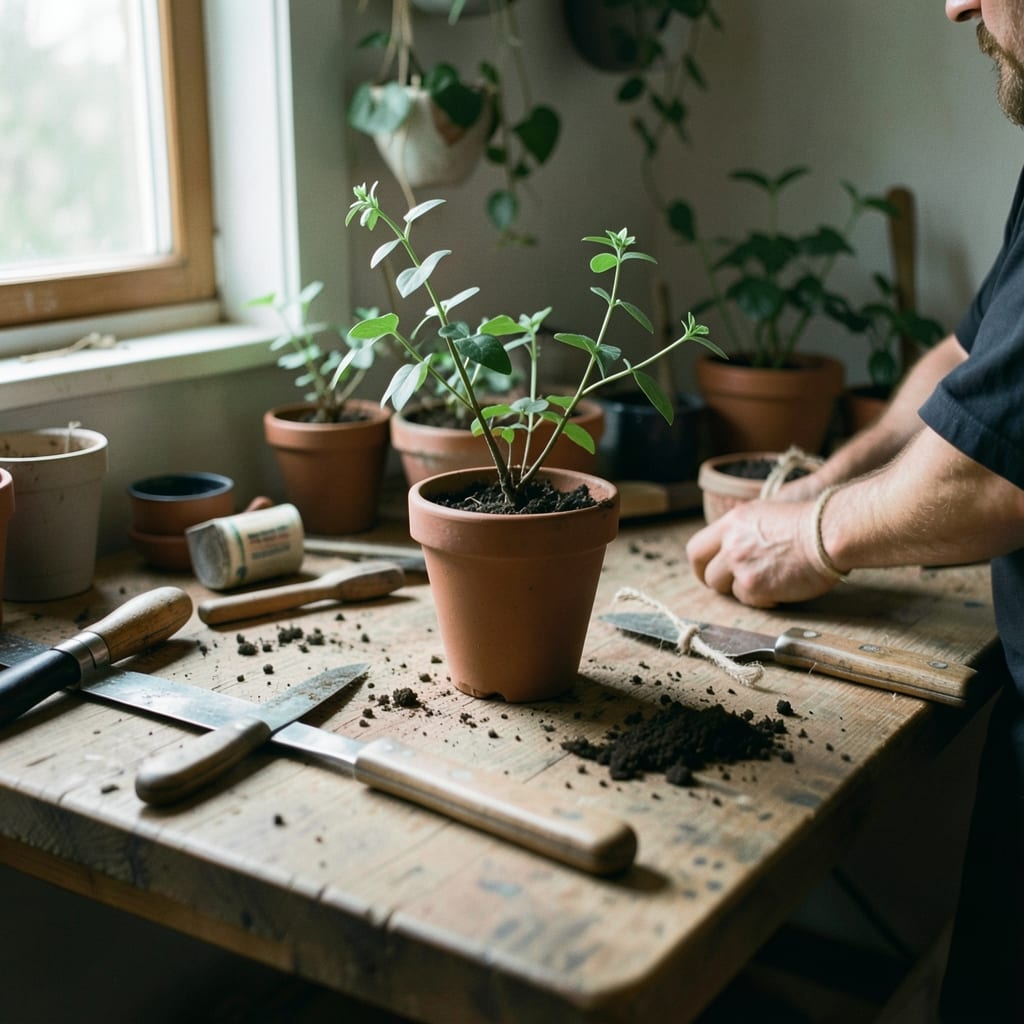
It started with one tomato plant that kept dying
It was 2014, late June in Ohio, and I’d planted my grandfather’s heirloom tomatoes—‘Brandywine’, his favorite—along the back fence of my rented house. The first two plants thrived, their leaves glossy and their stems thick, but the third one never took.
No matter how carefully I watered it, the soil around it stayed damp but lifeless, and after three weeks, the stem turned black at the base and collapsed.
I replanted it twice. The second time, I added compost, swore off the morning sun, and even checked the soil pH. The third plant lasted two weeks before wilting anyway. I dug it up and found the roots rotting, though the soil around them looked fine.
The neighbors’ tomatoes were doing just fine in the same conditions.
I called my grandfather, who’d been growing tomatoes since before I could walk. He listened, then asked if I’d checked the drainage. ‘Not like that,’ he said. ‘Dig a hole, fill it with water, and see how long it takes to drain.’ I did. The water vanished in minutes—too fast.
The soil wasn’t holding moisture, but it wasn’t draining either. That’s when I realized: the problem wasn’t the plant. It was the *soil* pretending to be something it wasn’t.
Nine tries before it worked
The first fix was to mix in sand, but that made the soil too coarse, and the roots dried out by noon. The second try was peat moss, which held water but compacted into a brick by August.
By the fifth attempt, I’d tested three different soil blends, adjusted the watering schedule to drip irrigation, and even tried burying the plant deeper—like my grandfather swore by—to encourage stronger roots. None of it stuck.
The sixth plant lasted a month before the same black rot appeared. That’s when I stopped guessing and started measuring. I bought a moisture meter, tracked the soil temperature hourly, and logged every amendment I added. The seventh plant survived until July, but the fruit was small and bland.
The eighth finally bore tomatoes, but the vines were stunted, and the yield was half what it should’ve been.
It took nine plants before I got it right. The breakthrough was a mix of 60% native topsoil, 30% well-aged compost, and 10% perlite—light enough to drain but dense enough to retain moisture. I also stopped watering from above and switched to a soaker hose buried at the roots.
The tenth plant thrived. By September, it had produced twenty pounds of tomatoes, and the soil around it stayed rich and alive for years after.
The mind behind these pages

That’s me—Ramon Baptiste, the one who kept replanting tomatoes until the soil finally cooperated.
I’m the founder and editor here, and this site is where I write down the lessons I learned the hard way: the ones that cost me plants, time, and a few too many trips to the garden center.
I’m the kind of person who notices when a tool is dull or a seed packet is mislabeled.
My grandfather called it ‘poking until it works,’ and it’s gotten me into trouble more times than I can count—overwatered seedlings, pruned branches that never regrew, and once, an entire bed of basil that turned to sludge because I trusted a ‘foolproof’ fertilizing schedule.
But I also recognize patterns others miss: the way a slug trail glistens under a porch light, or how a tomato vine’s leaves curl when the roots are thirsty.
I don’t cook. Never have. But I can tell you the exact moment a dill plant bolts, or how to coax a stubborn peony back to life after a winter freeze.
The things that matter here aren’t in a recipe book—they’re in the dirt, the weather, and the quiet moments between planting and harvest.
This site exists because that tenth tomato plant proved something: the right conditions turn a ‘maybe’ into a certainty. And if I can save someone else nine replantings, I’ve done my job.
Everything here is written the way that plant was
Every guide, tip, and troubleshooting page on this site follows the same rule: it’s tested in real soil, with real variables, until it works—or until we admit it won’t.
That tomato plant taught me that assumptions are the enemy of growth, and the only way to trust a method is to break it first.
We don’t just write about gardening. We grow it alongside you. The ‘soil prep’ guides? Written while amending beds for three years straight. The ‘pest control’ advice? Born from losing entire rows of carrots to wireworms before finding the fix.
Even the ‘beginner’s mistakes’ section exists because I made every single one of them.
or ‘I tried it, and now my zucchini are actually edible.’ That’s the real test: not whether it’s perfect, but whether it *changes* something in the garden.
What that means for you
You’ll find no ‘five easy steps’ here. What you *will* find is the mess, the missteps, and the moments when the soil finally remembers the sun.
Every page is built on the same principle: if it hasn’t been tried, adjusted, and proven in a garden like yours, it doesn’t belong here.
What you won’t find are shortcuts, corporate sponsorships disguised as advice, or ‘expert’ opinions that ignore the fact that your microclimate is different from theirs.
This is gardening as it *actually* happens—not as a Pinterest board, but as a series of experiments with dirt, seeds, and a little bit of luck.
The best lessons come from the garden, not the screen. If a tip here worked for you—or if it failed—tell us about it. We’re especially curious about the ‘why’: the soil type, the weather, or the one weird trick that made all the difference.
The guides are grouped by category: Advice, Aphids, Blooming, Companion Plants, Container Gardens and Diseases.