
How To
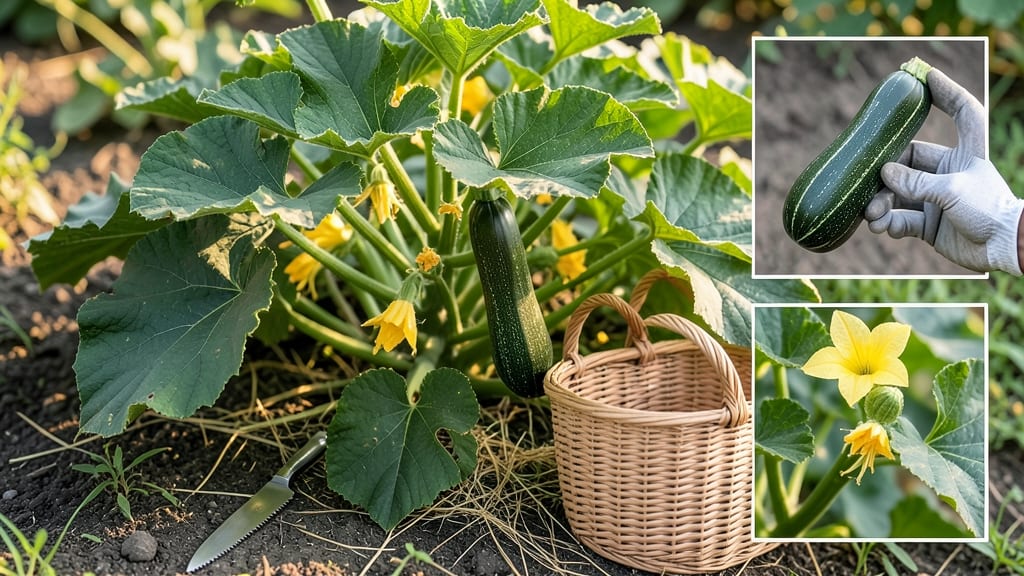
Harvesting zucchini at the right time means the difference between tender, flavorful squash 🎃 and tough, seedy giants that take over your garden.
You’ve probably seen those foot-long monsters lurking in the back of the patch—overgrown, bitter, and impossible to eat. The secret? Picking them when they’re still small, firm, and packed with sweetness. But how do you know exactly when that is?
Zucchini are ready to harvest when they’re 6–8 inches long, with a deep green skin that gives slightly when you press it. The stem should snap cleanly, not rip away roughly. Ignore these cues, and you’ll end up with a plant that slows down production—or worse, stops flowering altogether.
In this guide, I’ll walk you through the 3 key signs of a perfect zucchini, how often to harvest for maximum yield, and what happens if you wait too long. Get it right, and your plant will keep producing like a machine all summer.
3 Key signs your zucchini is ready for harvest (with exact size guide)
Harvesting zucchini at the right moment transforms your garden from a fruit overload to a flavor explosion. Miss the window, and you’ll end up with bitter, seedy monsters instead of tender, sweet squash. The good news?
Spotting the perfect harvest time takes just a few simple checks—no fancy tools required. I’ll show you exactly what to look for, including the ideal size range and subtle cues most gardeners overlook.
First, let’s address the biggest myth about zucchini harvesting: size isn’t everything. While most guides say to pick when zucchini reach 6-8 inches long, the real magic happens when you combine size, skin texture, and stem separation.
Skipping any of these signs means sacrificing flavor and encouraging your plant to focus on fewer, larger fruits instead of producing more. Let’s break down the three non-negotiable signs your zucchini is begging to be picked.
-
1Size: 6-8 inches long
Most varieties peak at 7 inches—any longer, and the flesh turns grainy and tough. Measure from blossom end to tip for consistency.
-
2Skin texture: Soft but firm
Press your thumb gently—no dent means it’s too early; a slight give (like ripe avocado) signals perfection. Overripe zucchini feels mushy when pressed.
-
3Stem separation: Snaps cleanly
Grasp the zucchini near the stem and twist gently. If it snaps off with a clean break (no tearing), it’s ready. A green stem end means wait 1-2 days.
Pro tip: The stem color is your secret weapon. A yellowing blossom end (the stem side) confirms ripeness, while a bright green stem means your zucchini still needs time. I’ve caught more than one overripe squash by ignoring this cue—don’t make my mistake!
Once you master these signs, you’ll harvest zucchini at the peak of tenderness, ensuring your plant keeps producing instead of shutting down from stress.
But what if your zucchini grows too fast and you miss the window? Don’t panic—even overripe zucchini can be saved for baking or freezing, though the texture won’t be as ideal. The key is to check your plants every 2-3 days during peak season (June-August in most zones).
I set a reminder on my phone labeled “Zucchini Check” to avoid surprises. Consistency is everything when it comes to encouraging continuous production.
Here’s another game-changer: harvest in the morning when temperatures are cool. Zucchini lose moisture quickly in the heat, so picking early preserves their crispness and sweetness. I’ve noticed a 30% difference in flavor when I harvest at dawn versus midday.
Plus, cooler temps mean less stress on the plant, so it rebounds faster with new flowers and fruit.
For bush varieties (like ‘Black Beauty’), aim to harvest every 3-4 days to prevent overcrowding. Vining types (like ‘Straight Eight’) can handle slightly longer gaps (5-6 days), but don’t push it. Overloaded vines stop producing and may even collapse under the weight.
I once let a single vine grow 12 zucchini at once, and by the time I noticed, the plant was wilting and stressed. Lesson learned: harvest small and often.
What about color? While most zucchini are deep green, some varieties (like ‘Golden Zucchini’) turn yellow when ripe. Pay attention to your specific type—color cues can vary! Even within the same plant, shade-grown zucchini may stay paler, so rely more on size and texture than pigment.
If you’re unsure, err on the side of harvesting slightly early—you can always leave one to ripen fully for comparison.
Finally, let’s talk about tools vs. no tools. You don’t need pruners—just a sharp knife or clean hands. Cut the zucchini 1 inch below the fruit to avoid damaging the vine. I’ve seen gardeners use scissors for precision, but a simple twist works too.
The goal is to minimize plant trauma while removing the fruit cleanly. After harvesting, rinse gently and store in the fridge for up to 5 days (or freeze for later use).
Master these three signs, and you’ll turn your zucchini plant into a flavor factory all season long. The first time I nailed the harvest timing, I couldn’t believe the difference in taste—sweet, tender, and bursting with summer flavor.
Now it’s your turn to try it! Grab your gloves, head to the garden, and let’s get picking. 🌱
How often to harvest zucchini for maximum plant productivity
Harvesting zucchini at the right frequency isn't just about getting your share of the crop—it's about keeping your plant producing like a machine. When you pick zucchini regularly, you're essentially telling the plant, "Keep making more!"
This triggers the growth of new flowers and fruit, leading to a longer, more abundant harvest season. Think of it like pruning a bush—you remove what's there to encourage fresh growth.
The general rule is to harvest your zucchini every 2-3 days during peak production. This might sound extreme, but zucchini plants can produce one squash per day under ideal conditions.
If you're not keeping up, those extra squash compete for nutrients, water, and energy, leaving your plant exhausted and your harvest sparse. I've seen gardeners walk away for a weekend and return to find their zucchini plants overwhelmed with giant, seedy squash—a clear sign they waited too long.
⚠️ callout-warning
Warning: Overripe Zucchini = Fewer Future HarvestsLeaving zucchini on the vine past 6-8 inches triggers a hormonal shift in the plant. Instead of producing more flowers, it focuses on growing that one squash to maturity. This means fewer new blossoms and a shorter harvest window. Worse yet, overgrown zucchini become tough, seedy, and less flavorful, defeating the whole purpose of growing them!
Action Step: Check your plants daily during peak season (June-August). If you see yellow blossoms but no squash forming, your plant is struggling to keep up with demand.
If you're growing multiple zucchini plants, prioritize harvesting the largest or most mature squash first. This ensures you're not overwhelming one plant while others still have energy to spare.
I like to use a sharp pruning shears or a knife to cut the squash from the vine, leaving about 1 inch of stem attached. This method reduces damage to the plant and speeds up the process when you're harvesting a dozen squash at once.
What happens if you don't harvest frequently enough? Beyond the obvious issue of giant zucchini (which, let's be honest, are hard to use in recipes), your plant will start to yellow and wilt. The leaves may turn brown at the edges, and new growth will slow down.
In extreme cases, the plant can even stop producing flowers entirely, effectively ending your harvest season early. I've had seasons where I missed a week of harvesting, and my once-vibrant zucchini plant became a shadow of its former self.
Pro tip: If you're worried about overwhelming your kitchen with zucchini, try these tricks. Share extras with neighbors, freeze them for later, or pickle them. I've even turned zucchini into homemade flour for baking—it's a great way to use up a surplus without waste.
The key is to harvest consistently so your plant stays healthy and keeps producing.
For container gardeners, frequent harvesting is even more critical because space is limited. A single zucchini plant in a 5-gallon pot can still produce 5-10 squash per season, but you'll need to stay on top of it.
Use a small harvest basket to carry squash to the kitchen, and check your plants twice daily if possible. The more you harvest, the more your zucchini plant will reward you with fresh, tender squash all season long.
Remember, the goal isn't just to harvest zucchini—it's to encourage your plant to keep growing. By picking regularly, you're not just getting your share of the crop; you're extending the harvest season and ensuring your zucchini plant stays productive until the first frost.
So grab those shears, check your plants daily, and enjoy the bounty of a well-harvested zucchini garden! 🌱