
How To
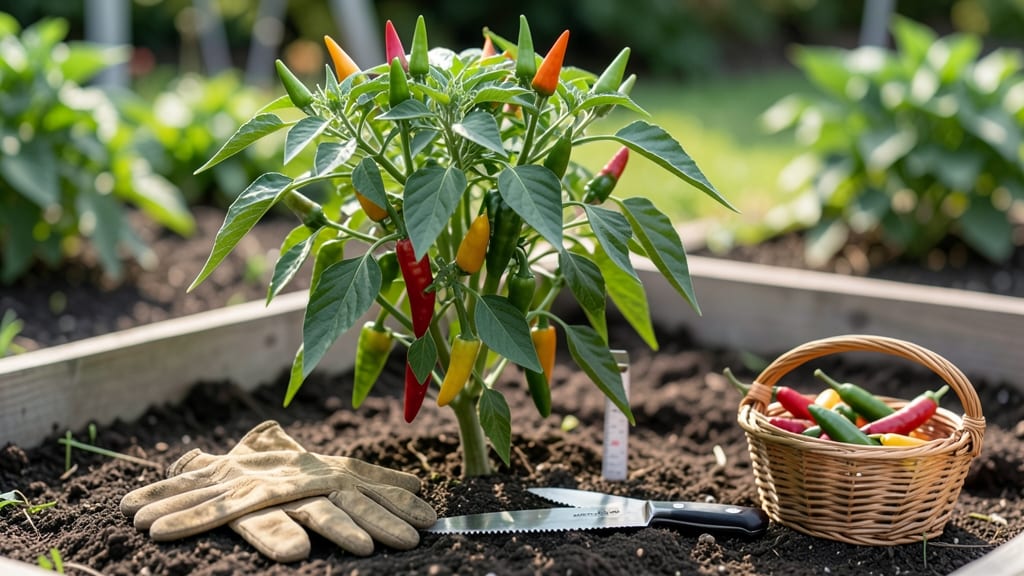
Harvesting cayenne peppers at the right time ensures fiery flavor and maximum heat, and missing the window can mean losing both.
If you’ve ever bitten into a cayenne 🌶️ that’s way too mild—or worse, bitter—you know the frustration. The difference between a bold, spicy harvest and a disappointing one often comes down to timing.
Cayennes don’t ripen all at once, and picking too early or too late can ruin the flavor you’ve worked so hard to cultivate.
Here’s the key: most cayennes are ready to harvest between 75 and 90 days after transplanting, but color and firmness are the real giveaways. A deep red or orange skin, glossy texture, and a slight give when gently squeezed mean it’s time.
Below, I’ll break down the three color stages that signal peak spice intensity—and how to avoid the most common mistakes that turn great peppers into garden flops.
You’ll also learn how to test ripeness like a pro, store your harvest for maximum shelf life, and even troubleshoot if your peppers turn out bland or shriveled. Let’s get those cayennes off the vine at the perfect moment!
Cayenne pepper color stages: when to harvest for optimal spice intensity
Harvesting cayenne peppers at the right color stage determines both heat intensity and flavor complexity. Unlike many peppers, cayennes develop capsaicin—the compound responsible for heat—gradually, peaking at full maturity.
Understanding these three key stages (green, orange, red) helps you decide whether to pick for fresh use, drying, or storage.
The green stage is where cayenne peppers start their journey, but this isn’t their peak. At this point, they contain minimal capsaicin (typically 5,000-10,000 SHU) and offer a milder, grassier flavor.
Many gardeners skip harvesting here, but some use green cayennes in pickled dishes or sauces where a lighter heat is desired.
As cayennes transition to orange, their heat levels rise significantly (reaching 30,000-50,000 SHU) and their flavor becomes sweeter with a fruity undertone. This stage is ideal for fresh eating or short-term storage, as the peppers are still firm and vibrant.
However, they won’t reach their maximum spice potential until they turn red.
| Stage | Color | Heat Level (SHU) | Best For | Harvest Time |
|---|---|---|---|---|
| Green | 🟢 Bright green | 5,000-10,000 | Pickling, sauces | Early season (60-70 days) |
| Orange | 🟠 Deep orange | 30,000-50,000 | Fresh eating, storage | Mid-season (75-85 days) |
| Red | 🔴 Deep red | 50,000-100,000+ | Drying, powder, long-term storage | Late season (90+ days) |
The red stage is where cayenne peppers achieve their maximum heat (often 50,000-100,000+ SHU) and develop a richer, smokier flavor. This is the preferred stage for drying or making cayenne powder, as the concentrated capsaicin delivers intense heat.
If you’re growing cayennes for long-term storage, wait until they’re fully red before harvesting.
Scientifically, capsaicin production peaks in red cayennes due to ethylene gas released during ripening. This gas triggers the final surge in spice compounds, making red peppers the most potent.
However, if you harvest early (green or orange), you can encourage the plant to produce more peppers by pruning spent flowers.
For home gardeners, timing your harvest depends on your goals. If you need immediate heat for cooking, orange-stage peppers work well. But for maximum spice intensity, always wait for the deep red color. A simple trick: gently squeeze the pepper—if it’s firm and glossy, it’s ready.
One common mistake is harvesting cayennes when they’re partially colored (e.g., half-green, half-red). These peppers have uneven heat distribution and may spoil faster. Always aim for fully mature color to ensure consistent flavor and spice levels across your batch.
After harvesting, handle cayennes with care—their thin skins bruise easily, leading to rot. Store them in a cool, dry place (like a mesh bag) for up to 2 weeks if using fresh.
For long-term storage, dry them in a well-ventilated area or freeze them whole for later use in homemade hot sauces.
3 Pro tips to test cayenne pepper ripeness before harvesting
Harvesting cayenne peppers too early means mild, underwhelming heat, while waiting too long can lead to wrinkled, overly soft peppers. As a gardener who's spent years perfecting my cayenne harvests, I've learned these three simple tests will help you determine the perfect moment to pick.
Professional growers rely on precise methods, but I've adapted them for home gardeners with shortcuts that work just as well.
First, let's address the most common question: why test ripeness at all? Cayenne peppers develop capsaicin—the compound responsible for heat—as they ripen. Harvesting at the right stage maximizes both flavor and spice intensity.
Unlike professional growers who might use lab equipment, home gardeners can rely on visual cues, touch tests, and even taste sampling (with caution!).
Look for deep, consistent color—red, orange, or yellow—without green patches. Professional tip: Use a color chart if growing heirloom varieties with unique hues.
Gently squeeze the pepper—it should feel firm like a baseball. If it yields slightly or feels mushy, it's overripe. Pro growers use a penetrometer, but your fingers work perfectly at home.
Grasp the pepper by its stem and give a firm twist. If the stem snaps cleanly, it's ready. If it bends without breaking, wait 2-3 more days. This mimics how commercial harvesters determine ripeness.
For the visual color check, I always start by examining the pepper's surface under bright light. Red cayennes should be a vibrant, uniform crimson without any green streaks—these indicate underripe peppers.
Some varieties, like yellow or orange cayennes, might fool you with their bright hues, so always cross-check with the firmness test. Professional growers often use colorimeters for consistency, but a simple flashlight and your eyes work perfectly for home gardens.
The firmness test is my go-to shortcut because it’s foolproof. A ripe cayenne should feel dense and slightly resilient—like a fresh apple. If you notice any soft spots or wrinkling, the pepper has passed its prime.
I’ve learned the hard way that overripe peppers lose their heat potency and develop a bitter aftertaste. For extra accuracy, compare the pepper to a similarly sized ripe tomato—if it feels similarly firm, it’s ready.
When it comes to the stem snap test, timing matters. Perform this test in the morning when peppers are fully hydrated. If the stem snaps cleanly with a slight crack, congratulations—you’ve found a pepper at peak ripeness. If it resists, wait another day or two.
This method is especially useful for long cayenne varieties, which can take longer to mature. I’ve even used a small pair of pruning shears to mimic this test when dealing with particularly stubborn stems.
Safety is key when testing ripeness, especially with taste sampling. Never cut into a pepper to test its heat—always use a small slice from the tip. Wear gloves if you're sensitive to capsaicin, and avoid touching your face afterward.
For maximum safety, I keep a small bowl of milk or yogurt nearby to neutralize any accidental capsaicin exposure. Professional growers often use pH test strips to measure capsaicin levels, but for home gardeners, taste is the simplest (and most delicious) way to confirm ripeness.
Remember, cayenne peppers continue to ripen off the plant, so don’t stress if you can’t harvest every pepper at the exact same stage. Store them in a cool, dry place with good airflow to extend their shelf life.
With these three tests, you’ll consistently harvest cayenne peppers at their peak—whether you're growing them for hot sauces, dried flakes, or fresh cooking. Happy harvesting! 🌶️