
How To
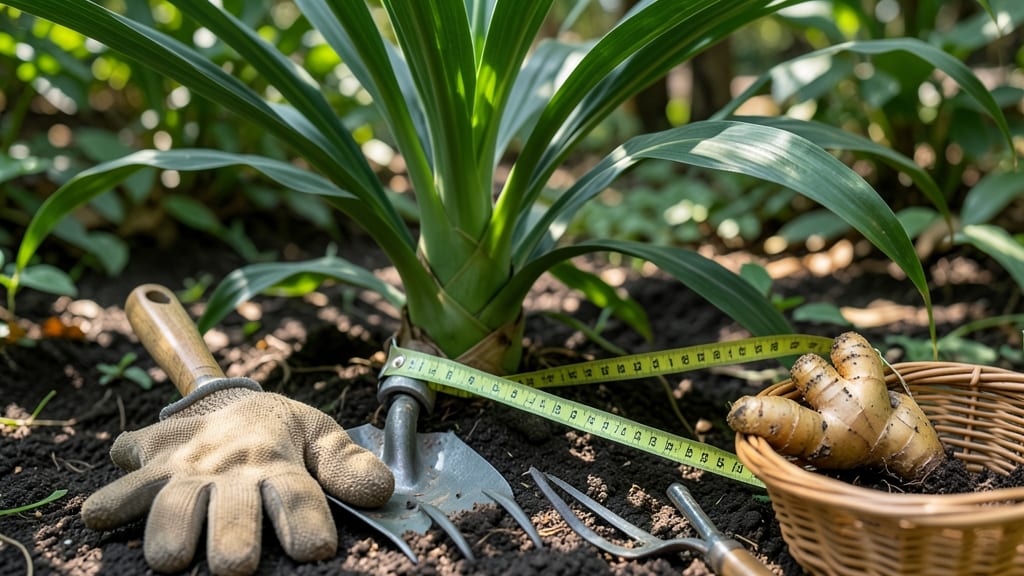
Harvesting ginger root at the right time ensures you get the perfect balance of flavor, size, and future regrowth—so timing is everything.
Picture this: you’ve spent months nurturing your ginger 🌿, only to pull it from the soil too early and end up with small, underdeveloped rhizomes—or too late, and the roots turn woody and tough.
The difference between a flavorful harvest and a disappointment comes down to knowing when the leaves yellow, the soil depth, and the knuckle test for resistance.
Most gardeners in USDA Zone 6 wait until late fall—about 9 to 11 months after planting—when the foliage starts to brown and die back. But there’s more to it than just the calendar.
Below, I’ll show you how to check the rhizomes for the ideal harvest window, whether you’re growing ginger for fresh use, storage, or even regrowth.
You’ll learn the exact visual cues to watch for, how deep to dig without damaging the plant, and a simple trick to test root readiness with just your fingers. No guesswork—just a foolproof way to pull your ginger at peak quality.
The knuckle test & leaf color clues for perfect ginger root harvest timing
Timing your ginger root harvest is an art that balances maturity with tenderness. Wait too long, and you'll get tough, woody rhizomes—harvest too early, and you sacrifice flavor and yield.
The key lies in reading your plant's visual cues and using simple physical tests like the knuckle test to determine the perfect moment.
Most gardeners harvest ginger in late fall or early winter, about 9-11 months after planting. But don't rely solely on the calendar—your plant will tell you when it's ready through leaf color changes and rhizome development.
The trick is catching those rhizomes at their peak: large enough for harvest but still tender enough to use fresh or store properly.
Here’s how to decode your ginger’s signals with a comparison-table of ready vs. not-ready indicators:
The knuckle test is my favorite trick for gauging rhizome readiness. Gently tap the soil near the base of the plant with your knuckles—if it feels firm and resistant (like knocking on a hard-boiled egg), the rhizomes are ready.
If it feels soft (like a ripe tomato), wait a few more weeks. This test helps avoid harvesting too early, which can stunt future regrowth if you're saving rhizomes for next season.
Pay close attention to leaf color patterns. When about 70% of the foliage turns yellow and starts to crisp, it’s a clear sign your ginger is maturing. The yellowing begins at the older leaves first and works its way inward.
If you see green leaves still actively growing while others are yellowing, hold off on harvesting—your rhizomes likely need more time to bulk up.
Don’t ignore the rhizome skin texture either. When ready for harvest, the skin should feel thick and rough to the touch, almost like sandpaper. If you can still see a thin, smooth skin, your rhizomes aren’t fully matured yet.
This texture change is your plant’s way of telling you it’s storing energy underground for dormancy, which is the perfect time to harvest.
One common mistake is waiting until the entire plant dies back completely. By then, the rhizomes may have become woody and less flavorful. Aim to harvest when the foliage is mostly yellow but not yet crispy.
This gives you the best balance of size, tenderness, and flavor. Pro tip: If you’re in a colder climate, harvest before the first frost—ginger is frost-sensitive, and frozen rhizomes will spoil quickly.
For culinary use, harvest when rhizomes are 2-3 inches in diameter—this size delivers the best flavor and texture. If you’re storing ginger for later, you can wait slightly longer, but don’t let the rhizomes get too large or they’ll become fibrous.
Always handle harvested ginger gently to avoid bruising, which can lead to rot during storage.
After harvesting, let the rhizomes dry in the sun for 1-2 hours to toughen the skin slightly before storing. This simple step helps prevent mold and extends shelf life.
Whether you’re using your harvest fresh or saving it for later, timing is everything—and your ginger’s leaves and knuckles will guide you every step of the way.
Soil depth tricks: how deep to dig for maximum ginger root yield without damaging plants
When harvesting ginger root, soil depth determines whether you walk away with plump, flavorful rhizomes or misshapen, stressed plants. The key lies in digging below the crown but above the main root system—a delicate balance that preserves the plant’s ability to regrow while maximizing yield.
Overdigging risks damaging the mother rhizome, while shallow digging leaves behind small, underdeveloped roots.
Start by identifying the crown, the thick, knobby base where leaves meet the soil. This is your harvest zone’s upper limit. Ginger roots typically extend 6-12 inches deep, but the bulk of the harvestable rhizomes cluster within the top 8-10 inches.
Use a garden trowel to gently loosen soil around the crown before lifting—this minimizes stress on the plant and prevents breakage.
🌱 Step-by-Step Soil Depth Guide for Harvesting Ginger
- Step 1: Wait until foliage yellows (late fall/winter) before digging.
- Step 2: Measure 6-8 inches deep from the crown downward.
- Step 3: Use a garden fork to lift soil—avoid cutting roots.
- Step 4: Inspect rhizomes: 2-3 inches thick = prime harvest size.
- Step 5: Rinse roots gently to remove soil—never scrub to preserve skin.
🌿 Pro Tip: Harvest on a dry day to prevent soil from clumping.
If you’re unsure about depth, perform the knuckle test: Gently tap the soil near the crown with your knuckles. A hollow sound indicates loose soil ready for lifting, while a dull thud suggests compacted soil that needs loosening first.
For container-grown ginger, flip the pot upside down and tap the rim—rhizomes will detach easily once mature.
Timing is critical: Harvest too early, and rhizomes are small and fibrous; too late, and they become woody and pithy. Aim for 9-11 months after planting, when the stem base turns brown and leaves wilt naturally.
This ensures maximum starch content and storage potential while keeping the plant healthy for future regrowth.
After harvesting, leave small rhizome pieces in the soil to regrow next season—a free way to expand your ginger patch! Store larger roots in a cool, dry place (60-70°F) with good airflow.
With the right soil depth technique, you’ll harvest ginger that’s both abundant and ready for culinary use or replanting.
Remember: The deeper you dig, the more you risk damaging the plant’s future potential. Mastering this soil depth trick turns ginger harvesting from guesswork into a precise, rewarding process.