
How To
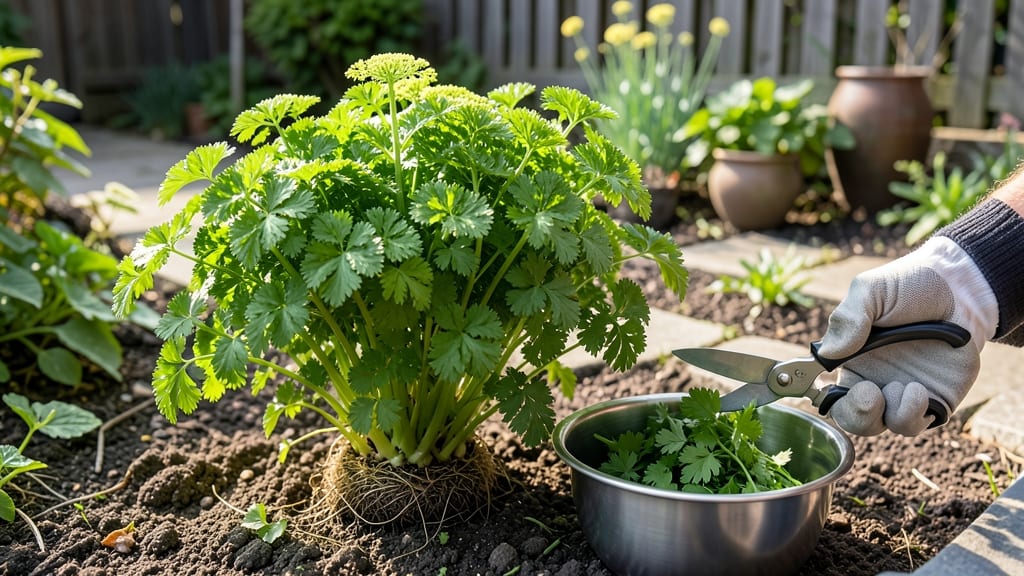
Harvesting parsley by cutting stems just above a leaf node keeps it growing back stronger and fuller 🌿—the secret to a never-ending supply of fresh herbs.
Want fresh parsley all season long? Harvesting it the right way isn’t just about cutting stems—it’s about encouraging regrowth through precise techniques that keep your plant thriving. One wrong snip, and you’ll end up with a leggy, sparse plant instead of the lush bunch you planted for.
Timing matters just as much as technique: harvest outer leaves first when they’re mature (about 60 days after planting), and never take more than one-third of the plant at once. This balance ensures your parsley stays healthy and productive, whether you’re in USDA Zone 6a or further south.
Below, I’ll walk you through the exact cutting methods, how often to harvest for maximum yield, and the common mistakes that stunt growth—so you can enjoy a steady harvest from June through October without stress.
Best parsley harvesting methods to encourage continuous growth
Harvesting parsley correctly is the secret to enjoying fresh, abundant leaves all season. Unlike many herbs, parsley thrives when you follow specific cutting techniques that stimulate regrowth. The key lies in understanding whether to harvest from the top or bottom of the plant—and when.
For flat-leaf parsley, which is more forgiving, and curly parsley, which is more delicate, the approach differs slightly. Let’s dive into the best methods to keep your parsley flourishing.
First, always harvest parsley in the morning after dew dries but before the midday heat. This timing ensures the leaves are hydrated and less prone to wilting or browning after cutting.
Use clean, sharp scissors or pruning shears to make precise cuts—never tear leaves by hand, as this damages the plant. The goal is to encourage new growth while keeping the plant healthy enough to bounce back quickly.
Now, let’s explore the two primary harvesting methods—top harvesting and bottom harvesting—and when to use each for optimal results.
Choose the Right Time of Year
Harvest parsley during its active growing season, typically from late spring to early fall (May through September in most climates). Avoid harvesting in extreme heat or cold, as this stresses the plant. In USDA Zone 6a, aim for harvests between June and October.
Master Top Harvesting for Flat-Leaf Parsley
For flat-leaf parsley, focus on top harvesting to encourage bushier growth. Cut the outer stems just above a leaf node (where leaves meet the stem). This method promotes lateral branching, giving you more leaves over time. Avoid cutting into the central stem, as this can stunt regrowth.
Use Bottom Harvesting for Curly Parsley
Curly parsley is more delicate, so prioritize bottom harvesting. Trim the lowest leaves first, leaving the top growth intact. This prevents the plant from becoming leggy or sparse. Curly parsley has a slower regrowth rate, so limit harvests to once every 2-3 weeks during peak season.
Follow the One-Third Rule
Never harvest more than one-third of the plant at a time. This rule prevents over-stressing the parsley and ensures it has enough energy to regrow. If you notice yellowing leaves or stunted growth, your harvests are too aggressive—scale back immediately.
Monitor Seasonal Adjustments
In early spring, parsley grows slowly—limit harvests to every 3-4 weeks. During summer’s peak growth, you can harvest every 2 weeks. As temperatures drop in late summer/fall, reduce frequency to once a month to avoid shocking the plant before dormancy.
Revitalize with Post-Harvest Care
After harvesting, give your parsley a boost with balanced fertilizer (5-10-10 NPK ratio). Water deeply in the morning to replenish moisture lost during cutting. Mulch around the base with organic matter to retain soil moisture and protect roots.
Pay attention to your parsley’s health indicators after harvesting. If leaves appear pale or wilted, it may need more sunlight or nutrients. Conversely, if growth is too rapid, it might be getting too much nitrogen fertilizer.
Balance is key—your parsley should look vibrant and sturdy between harvests.
One common mistake is harvesting parsley too close to the ground, which removes the plant’s energy source. Always leave at least 4-6 inches of stem to ensure regrowth. For container-grown parsley, be extra cautious—small pots limit root space, so harvest even more conservatively.
With these methods, your parsley will reward you with continuous growth and a steady supply of fresh leaves for soups, salads, and garnishes
How often should you harvest parsley for maximum yield?
Harvesting parsley at the right intervals keeps your plant thriving and ensures a steady supply of fresh leaves. Unlike some herbs, parsley doesn't like aggressive harvesting—overdoing it can stunt growth or even kill your plant.
The key is finding the balance between regular harvesting and letting the plant recover, especially when adjusting for curly vs. flat-leaf varieties and seasonal changes.
For both types of parsley, timing matters. Curly parsley tends to be slightly more resilient to frequent harvesting, while flat-leaf parsley often needs a little more recovery time. Seasonal factors like heat, drought, or early frost also play a role in how often you should harvest.
Pay attention to your plant's signals—wilting, yellowing leaves, or stunted growth are clear signs it's time to pause harvesting and focus on care instead.
Optimal Parsley Harvesting Schedule
- Harvest curly parsley every 2-3 weeks during peak growing season (spring-fall).
- Harvest flat-leaf parsley every 3-4 weeks to prevent stress, especially in hot weather.
- Reduce harvesting frequency to every 4-6 weeks in late summer or early fall when growth slows.
- Stop harvesting 6-8 weeks before first frost to let the plant store energy for next season.
- Never harvest more than one-third of the plant at once to avoid shocking the roots.
Spring is the best time to start harvesting parsley, once your plants reach 4-6 inches tall with at least 6-8 mature leaves. In early spring, you can harvest every 3 weeks as long as temperatures stay mild.
As summer heats up, switch to a 4-week cycle to prevent stress. Always harvest in the morning when leaves are hydrated and firm, using clean, sharp scissors or pruners.
Watch for signs your parsley needs a break. If leaves turn yellow or wilt, or if new growth slows dramatically, it's time to stop harvesting and focus on care. Boost soil health with a light nitrogen fertilizer (like 5-10-10) and ensure consistent moisture.
Mulching with compost can also help protect roots during heatwaves or droughts. Remember, parsley is a biennial, meaning it can regrow for up to 2 years with proper care.
Adjust your harvesting schedule based on your parsley's growth stage. Young plants (first 60 days) should only have small leaves trimmed to avoid damaging the root system. Mature plants (after 90 days) can handle more frequent harvesting, but always leave at least half the foliage intact.
In containers, parsley may need slightly less frequent harvesting since root space is limited, typically every 4 weeks.
With the right balance, your parsley plant can produce continuous harvests for months. The key is consistency—harvest regularly but never excessively, and always prioritize plant health over yield. By following these guidelines, you'll enjoy a thriving parsley patch that keeps giving all season long. 🌿