
Vegetables
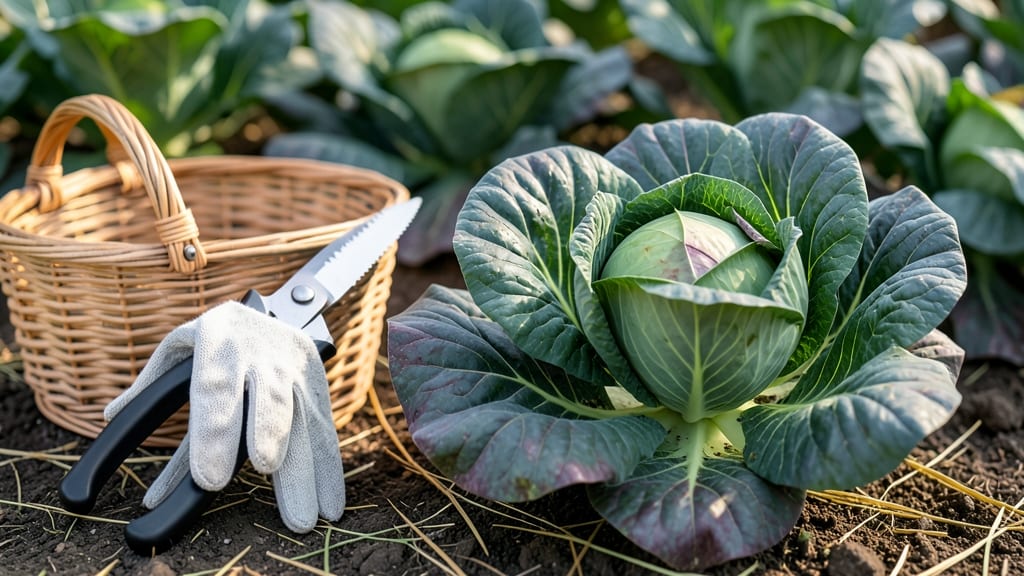
Harvesting cabbage at the right time means the difference between a tender, flavorful head and a tough, bitter one—here’s how to know when your 🥬 is ready before it’s too late.
Picture this: you’ve nurtured your cabbage plants all season, and now the moment of truth arrives. One wrong move, and you risk ending up with heads that split open or taste woody.
The good news? There are three clear signs your cabbage is primed for harvest, and missing them could cost you the best flavor of the season.
Timing matters because cabbage doesn’t stay fresh forever once picked. Too early, and the head won’t be fully developed; too late, and it bolts or becomes pithy.
In USDA Zone 6, that window is tight—spring crops need attention in June-July, while fall varieties demand your focus by October-November.
Below, I’ll walk you through the visual cues to watch for, how to handle the harvest properly, and even how to store your cabbage so it stays crisp for weeks. No more guesswork—just perfect timing for a garden-worthy harvest.

3 Visual signs your cabbage is ready for harvest
Timing your cabbage harvest perfectly ensures you enjoy that signature crisp texture and mild sweetness we all love. Missing the window? You might end up with loose leaves or bitter, tough heads. The key is knowing what to look for—beyond just counting days.
I’ve harvested cabbages for years, and these three visual cues will save you from guessing. Let’s dive into what your plants are telling you before you even touch them.
First, understand that cabbage maturity varies by variety. Green cabbage might take 75-100 days from transplant, while red or savoy types could be ready in 60-80 days. But no matter the type, the visual signs of readiness are consistent.
Ignore the calendar and focus on these three key indicators instead. They’ll tell you exactly when to grab your harvest knife or shears.
Head Firmness: The Weight Test
A ready cabbage head feels heavy for its size—almost like a dense, compact rock. Gently cup the head in your hand; if it feels light or spongy, it’s not mature yet. Pro tip: Lift the head slightly—if it resists gravity and doesn’t feel hollow, it’s harvest-ready.
Leaf Color: Vibrancy Over Pale
Look for deep, uniform color—whether it’s green, purple, or white. If the outer leaves are yellowing or browning, you’ve waited too long. The inner leaves should also match the head’s color perfectly. A pale or splotchy head means it’s still developing.
Size and Shape: Tightness Matters
The head should be firm and tightly wrapped in leaves. If you can easily pull apart the outer leaves or see light inside the center, it’s overripe. For smaller varieties like bok choy, the head should be plump and rounded, while larger cabbages should feel solid like a bowling ball.
Here’s where many gardeners go wrong: they harvest based on days after transplant alone. But weather and soil conditions can shift that timeline. For example, cool nights slow maturity, while hot spells can rush it.
That’s why these visual cues are non-negotiable. I once harvested a cabbage at 80 days because the leaves looked perfect—only to find it still loose inside. Lesson learned!
Pay special attention to the outer leaves. They’re your first warning system. If they start to yellow or curl, the head is bolting (going to seed), and the flavor will turn bitter and tough.
This is especially true for spring cabbages in warm climates. The good news? Bolting cabbage can still be used in cooked dishes, but it’s not ideal for fresh eating.
For red or purple cabbage varieties, the color deepens as it matures. If the outer leaves are still light pink or greenish, wait a few more days. The inner leaves should match the vibrant hue of the mature head.
I once grew a red cabbage that looked ready but had green streaks inside—a clear sign it needed more time.
Don’t forget to check the stem. A ready cabbage’s stem should snap cleanly when you gently tug it. If it pulls out easily without resistance, the head isn’t fully mature. This is a quick test that takes seconds but can save you from underripe cabbage.
Pro move: Use a sharp knife to cut the stem at the base—this prevents damage to the plant and makes storage easier.
One last tip: Harvest in the morning. Cabbage heads are crispest and coolest after a night’s rest. If you’re harvesting in hot weather, do it early to avoid wilting or bolting stress.
I’ve seen cabbages split open within hours of harvest if picked in the afternoon heat—definitely not the look you want!
Now that you know what to look for, grab your harvest tools and head to the garden. The next time you’re tempted to guess, remember: firm, vibrant, and tight are the magic words for perfect cabbage.
And if you’re still unsure? Wait one more day—your patience will pay off with a flavorful, crisp head ready for salads, stir-fries, or fermenting.
Best cabbage harvest time by variety: when to pick for optimal flavor
Timing your cabbage harvest depends entirely on the variety you're growing. Each type matures at different rates, and picking too early or late can ruin that perfect crisp texture and sweet flavor.
For example, green cabbage and red cabbage have distinct windows, while bok choy and savoy cabbage mature much faster. Climate also plays a role—cooler temperatures slow growth, while heat can speed up bolting.
Understanding these differences ensures you don’t miss the ideal harvest window. Most cabbages take between 60 to 100 days to mature, but bok choy can be ready in as little as 30 days.
Below, I’ve broken down the harvest times for the most popular varieties, so you can plan accordingly and enjoy cabbage at its peak.
| Variety | Days to Maturity | Best Harvest Time | Climate Notes |
|---|---|---|---|
| Green Cabbage | 75-100 days | Late summer to early fall (August-October) | Thrive in cool weather; avoid heat stress. |
| Red Cabbage | 70-90 days | Early fall to winter (September-November) | Color intensifies in cooler temps; harvest before frost. |
| Savoy Cabbage | 60-80 days | Mid-summer to early fall (July-September) | Tolerates slight heat better than smooth cabbages. |
| Bok Choy | 30-50 days | Spring or fall (April or September) | Fast-growing; harvest young for tenderness. |
If you’re growing cabbage in warmer climates, like USDA Zones 8-10, aim for fall planting to avoid the summer heat. In these regions, green cabbage and red cabbage can mature in as little as 60 days if planted in early September.
Meanwhile, cooler zones (Zones 3-6) benefit from both spring and fall crops, with harvests stretching from June to October.
For bok choy and savoy cabbage, which are more heat-tolerant, you can even squeeze in a late-summer harvest if planted in June or July. These varieties are perfect for container gardening or small spaces, as they mature quickly and don’t require as much room as larger heads.
Just be sure to harvest before heads loosen, or the flavor will turn bitter.
One pro tip: Check your cabbage heads weekly once they near maturity. A firm, compact head with tightly wrapped leaves is your cue to pick. If the outer leaves start to yellow or split, it’s a sign the cabbage is overripe.
For longer storage, harvest in the morning when temperatures are coolest, and store in a damp cloth in the fridge for up to two weeks.
Don’t let your cabbage go to waste—knowing the exact harvest time for each variety ensures you enjoy them at their peak flavor and texture. Whether you’re growing crisp green heads or delicate bok choy, timing is everything. 🥬