
How To
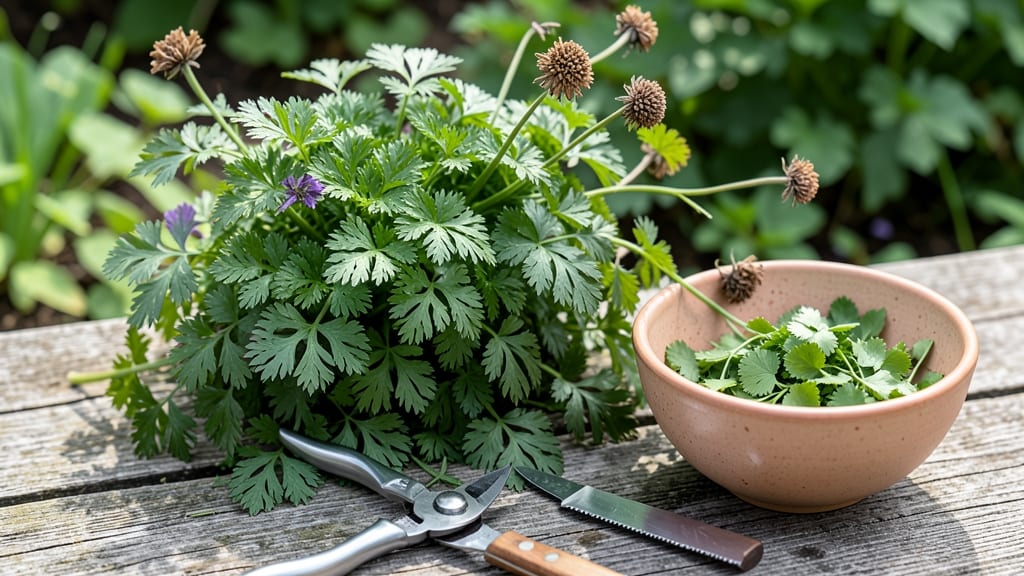
To harvest coriander plant at its peak flavor, you’ll want to act fast—before those leaves turn bitter and the stems bolt into flower stalks.
Coriander plants bolt faster than you think—but harvesting at the right time ensures vibrant flavor and lush regrowth. Skip the guesswork with this expert guide to perfect timing, tools, and techniques.
Most gardeners miss the ideal window because they don’t know what to look for. The stem snap test is the secret: pinch a stem between your fingers. If it snaps cleanly, your leaves are ready for the kitchen. If it bends without breaking, wait a few more days.
Inside, you’ll discover when to harvest for leaves vs. seeds, the best tools to use, and how to revive your plant so it keeps producing for weeks—no bitter surprises included.
When to harvest coriander: the stem snap test for optimal flavor
Harvesting coriander at the perfect moment transforms your garden into a flavor factory. Unlike many herbs, coriander has a short window between being tender and bolting—when it sends up a flower stalk and becomes bitter.
The stem snap test is my foolproof method to determine when leaves are at peak freshness and flavor.
Most gardeners miss this window because they focus on leaf size rather than stem maturity. Coriander leaves can look big but still taste bland if the stems have hardened.
The snap test reveals the plant's true readiness—no guesswork required. Let's break down how to use it alongside other key indicators to harvest like a pro.
summary-table
| Harvest Stage | Plant Characteristics | Action Required | Flavor Impact |
|---|---|---|---|
| Too Early | Leaves < 2 inches, soft stems, sparse growth | Wait 1-2 weeks | Mild but weak flavor |
| Perfect Harvest | 6-12" tall, firm but snappy stems, bright green leaves | Cut outer stems, leave 2" growth | Bold, fresh cilantro flavor |
| Over-Mature | Woody stems, yellowing leaves, flower stalks | Harvest seeds only | Bitter, soapy taste |
| Bolting | Tall flower stalk (12"+), small leaves | Remove entire plant | Unusable for cooking |
The stem snap test works like this: Pinch a stem between your thumb and forefinger, about 2 inches below the leaf cluster. Gently bend it—if it snaps cleanly with a slight resistance, your coriander is ready.
If it bends without snapping (too soft), wait 3-5 days. If it feels woody or cracks, you've missed the window.
Timing matters because coriander's flavor peaks when leaves are fully developed but stems remain tender. Most varieties reach this stage in 45-60 days from planting, but heat accelerates bolting.
In my Zone 6a garden, spring plantings hit perfect harvest in early May, while fall plantings are ready by late October.
Watch for bolting signs like elongated stems or yellowing leaves—they signal the plant is shifting energy to seed production. Once you see a flower stalk, the leaves become bitter and stringy.
This happens faster in hot weather, so I always harvest my summer coriander by late afternoon to keep stems cool.
Pro tip: Harvest outer stems first to encourage bushier regrowth. Use clean, sharp pruning shears or scissors to cut just above a leaf node. This prevents damaging the plant while maximizing your yield. I harvest every 7-10 days during peak growth to keep my coriander producing for months.
For seed harvest, wait until the flower stalks turn brown and dry. The seeds form in papery pods—simply rub them off the stalks and dry them for future planting. Unlike leaf harvests, seed collection requires patience, but it's worth it for homegrown spice blends.
Remember: Consistent harvesting prevents bolting by tricking the plant into focusing on leaf growth. My record for continuous harvest? A single coriander plant produced enough for three months of weekly harvesting in my raised beds. The key was keeping it well-watered and in partial shade during summer afternoons.
Now that you know the exact moment to harvest, your coriander will always deliver that bright, citrusy flavor we all love. Grab those shears and enjoy the taste of homegrown success! 🌿✂️💧
Step-by-step coriander harvesting techniques for maximum yield
Harvesting coriander at the right time preserves its bright flavor and encourages regrowth. Use sharp tools to avoid damaging delicate stems and always harvest in the morning after dew dries for peak freshness. Never harvest more than one-third of the plant at once to prevent stress.
Gather these essential tools: clean pruning shears, a small basket or container, and gloves for protection. Work gently to avoid crushing leaves, which can turn bitter. If harvesting seeds, leave some stalks to mature while cutting others for leaves.
- Step 1: Locate the outer leaves of the plant—these are the most mature and flavorful.
- Step 2: Use pruning shears to cut stems at a 45-degree angle, about 1 inch above the base. This encourages bushier regrowth.
- Step 3: Grasp the stem firmly just below the leaves you’re harvesting. Avoid pulling leaves directly—they’ll tear easily.
- Step 4: Trim any yellowed or damaged leaves immediately. Place harvested leaves in a shallow container to prevent bruising.
- Step 5: After harvesting, rinse leaves gently under cool water and pat dry with a paper towel to remove dirt and pests.
- Step 6: Store harvested coriander in the fridge for up to 1 week or freeze in an ice cube tray with water for later use.
For continuous production, harvest every 2-3 weeks to keep plants productive. If you notice flower stalks forming, it’s time to harvest seeds or pull the plant—bolting means the leaves will taste bitter. Always leave at least 3-4 inches of growth to allow regrowth.
Revive your coriander by watering deeply after harvesting and applying a light fertilizer (like 5-10-10) to encourage new growth. Mulch around the base to retain moisture and prevent weeds. With proper care, your coriander can produce multiple harvests in a single season.
Pro tip: If your coriander bolts too quickly, try shade cloth during hot days or succession planting every 2 weeks for a steady supply. Avoid overcrowding—space plants 6-12 inches apart for optimal airflow and growth.
With these techniques, you’ll enjoy fresh, flavorful coriander all season long—no bitter surprises! 🌿✂️💧