
How To
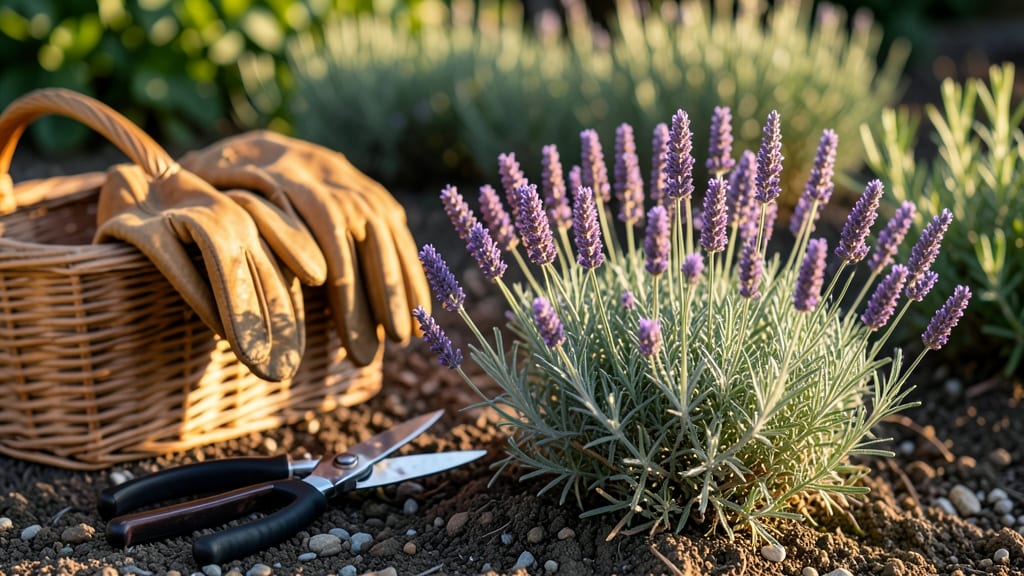
Harvesting English lavender at the right time turns your 🌿 garden into a fragrant treasure trove—whether for sachets, teas, or dried bouquets.
But here’s the catch: timing and technique make all the difference. Snip too early, and you’ll miss the peak scent and oil content. Wait too long, and the flowers lose their potency.
The secret lies in knowing when those buds are just right—before they fully bloom—and how to cut them without harming your plant.
In this guide, I’ll walk you through the best time to harvest, the tools you’ll need, and step-by-step methods to maximize your yield. You’ll also learn how to dry lavender properly so its color and fragrance stay vibrant for months.
Ready to turn your lavender harvest into something truly special? Let’s dive in.
When to harvest English lavender for optimal fragrance and oil content
Harvesting English lavender at the right moment transforms your garden into a treasure trove of fragrant blooms and potent essential oils. The key lies in understanding the bud stage, seasonal timing, and weather conditions that create the perfect harvest window.
Unlike many herbs, lavender releases its peak fragrance and oil content just before the flowers fully open—this is when you’ll capture the most aromatic power for sachets, teas, or drying.
Science shows that essential oil production in lavender peaks when the flower buds are 70-80% open. At this stage, the volatile oils responsible for that signature lavender scent are at their most concentrated.
Waiting until flowers fully bloom means missing the prime window—oil content drops by up to 30% once petals unfurl completely. This timing ensures your harvest delivers the richest aroma and therapeutic properties.
Timing your harvest also depends on your climate zone. In USDA Zone 6a (like much of the Midwest and Northeast), the ideal harvest window stretches from mid-July through early September.
Southern gardeners in Zones 7-9 can start as early as late June, while cooler northern regions may need to wait until late July or August. Always aim to harvest when morning dew has evaporated—this preserves oil quality and prevents mold.
Weather plays a crucial role too. Avoid harvesting after heavy rain, as moisture dilutes essential oils and can cause fungal issues. Ideal conditions include clear, dry mornings with temperatures between 60-75°F (15-24°C). If you’re in a humid climate, harvest earlier in the day to minimize exposure to dampness.
| Harvest Factor | Optimal Condition | Visual Cues |
|---|---|---|
| Bud Stage | 70-80% open | Tightly packed petals, not fully unfurled 🌼 |
| Seasonal Timing | Mid-July to early Sept | First frost risk after harvest ✂️ |
| Stem Condition | Woody and sturdy | At least 12 inches tall, firm to touch 🌿 |
| Weather | Clear, dry mornings | 60-75°F, no recent rain 🌡️ |
| Scent Test | Strong, sweet aroma | Brush stems—intense fragrance confirms readiness 🌬️ |
One of the easiest ways to determine harvest readiness is the "scent test". Simply brush your hand along the flower buds—if you detect a powerful, sweet lavender aroma, it’s time to harvest.
This method works even if you’re unsure about the exact bud stage. For first-time harvesters, focus on stems with 3-4 inches of buds—longer stems yield more flowers but may require staking when drying.
Harvesting too early or too late affects both yield and quality. If you harvest when buds are less than 50% open, the stems will be too short and the oil content low.
Waiting until flowers are fully open reduces fragrance by up to 40% and makes drying less effective. Pro tip: Harvest every 3-4 weeks during peak season to encourage continuous blooming and prevent woody stems from dominating.
For gardeners in cooler climates, extend your harvest season by choosing late-blooming varieties like ‘Hidcote’ or ‘Munstead’. These types often flower 2-3 weeks later than standard English lavender, giving you a longer window to gather fragrant blooms.
Just be sure to protect plants from early frosts, which can damage stems and reduce next year’s yield.
If you’re harvesting for essential oil extraction, prioritize morning harvests when oil concentrations are highest. Studies show that volatile oil content peaks at dawn and diminishes by midday. For dried lavender bundles, afternoon harvests work well—just ensure stems are fully dry before bundling to prevent mold.
Always use clean, sharp pruners to avoid crushing stems, which releases bitter compounds and weakens the plant.
Finally, never harvest more than one-third of the plant at a time. This rule prevents stress and ensures your lavender continues producing blooms for years to come. Over-harvesting weakens roots and reduces next season’s growth.
With the right timing and care, your English lavender can provide abundant harvests for a decade or more, making it one of the most rewarding perennial herbs to grow.
Step-by-step guide to harvesting English lavender without damaging the plant
Harvesting English lavender at the right time ensures maximum fragrance and oil content, but cutting too much can stress your plant. The key is to use sharp tools and selective pruning to encourage regrowth while preserving your plant’s health.
Whether you’re harvesting for dried bundles or fresh culinary use, follow these steps to maintain a thriving lavender plant year after year.
Timing is everything—aim to harvest late morning on a dry, sunny day when the essential oils are at their peak. Avoid harvesting after rain, as moisture can dilute the scent and encourage mold.
Choose healthy stems with buds just beginning to open but before they fully bloom. This ensures the strongest aroma and prevents the plant from flowering too early, which can reduce next year’s yield.
How to Harvest English Lavender
-
Step 1: Gather Your Tools
Use clean, sharp pruners or shears to make clean cuts. Avoid dull tools, which can crush stems and damage the plant. A bucket or basket will hold your harvest, and gloves protect your hands from sap. -
Step 2: Identify Ready Stems
Look for sturdy, woody stems with buds just starting to open. Avoid cutting stems with fully open flowers, as they’ve already released their essential oils. Brush a few buds—if they release a strong lavender scent, they’re ready. -
Step 3: Cut at the Right Angle
Use your pruners to cut just above a leaf node (where leaves or side shoots grow). This encourages new growth from that node. Cut at a 45-degree angle to increase the surface area for water uptake, which helps the plant recover faster. -
Step 4: Harvest Selectively
Never remove more than one-third of the plant’s growth in a single harvest. Focus on outer stems first, leaving the center of the plant intact. This ensures the plant retains its shape and continues producing new growth for future harvests. -
Step 5: Process Immediately
Once harvested, remove any leaves from the lower half of the stems to prevent mold during drying. Bundle 5-10 stems together with a rubber band and hang them upside down in a well-ventilated, dry area for 2-3 weeks.
After harvesting, give your lavender plant a little extra care to promote regrowth. Water deeply but infrequently—English lavender is drought-tolerant, so avoid overwatering, which can lead to root rot.
A light application of compost around the base in early spring will provide nutrients for new growth without overfeeding the plant.
For long-term health, prune lightly in late summer or early fall to shape the plant and remove any dead or woody stems. This encourages compact, bushy growth and prevents the plant from becoming leggy.
With proper harvesting techniques, your English lavender can thrive for years, providing a steady supply of fragrant blooms for your garden and home.
Pro tip: Label your dried lavender bundles with the harvest date to track freshness. Stored in an airtight container away from light, dried lavender can retain its scent for up to a year.
Use it in sachets, potpourri, or homemade lavender oil to enjoy the fruits of your labor year-round.