
How To
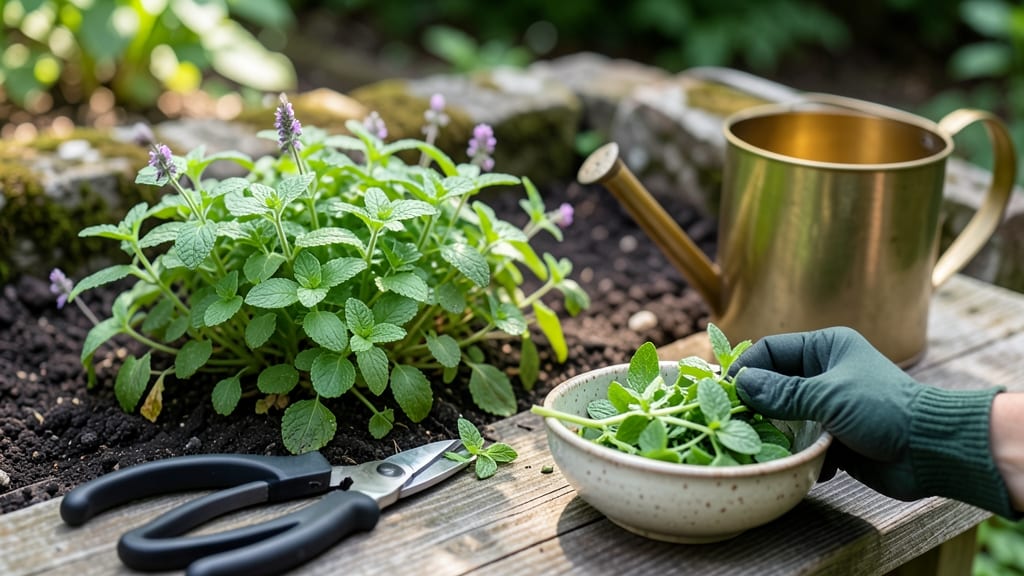
Harvesting mint so it keeps growing means cutting 2 inches above leaf nodes—the secret to bushier regrowth and a never-ending supply of fresh leaves.
Struggling to keep your mint plant thriving after harvesting? Many gardeners accidentally stunt growth by cutting too low or at the wrong time—here’s the science-backed method to harvest mint without sacrificing future yields.
Mint is one of those eager growers that rewards regular trimming, but only if you do it right. Snip too close to the base, and you’ll end up with leggy stems and sparse leaves.
Get the timing and technique wrong, and you might even trigger flowering, which turns your herb into a woody mess.
In this guide, I’ll walk you through the exact where and how to trim for maximum regrowth, the best seasons to harvest, and how to revive a plant that’s been overworked. No more guessing—just a steady supply of mint all season long.
The perfect mint harvesting technique: where and how to trim for maximum regrowth
Harvesting mint the right way is all about encouraging regrowth while avoiding woody stems and flowering. The key lies in understanding nodes—those tiny leaf junctions where new growth sprouts. When you cut 2 inches above a node, you trigger bushier, faster regrowth instead of stunting your plant.
Most gardeners make two critical mistakes: cutting too low (right at the node) or harvesting too aggressively. Both lead to leggy, sparse growth and even flowering, which ruins flavor.
My secret? Target the upper third of the plant and always leave those nodes intact. This method keeps mint lush, flavorful, and ready for continuous harvests all season.
Here’s how to do it right—step by step—so you can harvest mint without sacrificing future yields.
Why does cutting 2 inches above nodes work so well? Mint grows from axillary buds at these junctions. By leaving a 2-inch gap, you ensure the bud stays protected and has room to develop into a new shoot.
This technique mimics how mint grows in the wild—bushy and dense—rather than tall and leggy.
Pro tip: If your mint starts looking woody or sparse, it’s time for a rejuvenation prune. Cut back 1/3 of the plant to the ground in early spring. This forces fresh, tender growth and keeps your mint flavorful and vigorous all season.
For container-grown mint, the same rules apply—but be extra cautious. Since roots are confined, over-harvesting can stress the plant. Stick to smaller trims (just a few stems at a time) and fertilize lightly after each harvest to support regrowth.
With this method, you’ll enjoy continuous mint harvests from spring through fall—without sacrificing plant health. Plus, your mint will stay aromatic, tender, and ready to use in teas, cocktails, or cooking all season long. 🌱
When to harvest mint for best growth: seasonal timing and frequency mistakes to avoid
Timing your mint harvests correctly is the secret to a plant that keeps producing lush, flavorful leaves all season long.
Unlike many herbs, mint thrives on regular harvesting—but only if you follow the right schedule. Spring and early fall are the prime windows for harvesting, when your plant is actively growing and can bounce back quickly.
Missing these windows or harvesting too aggressively can leave your mint looking ragged or even stressed.
Most gardeners make the mistake of harvesting mint whenever they need it, without considering the plant's growth cycle. This often leads to woody stems, sparse foliage, or even death if the roots are overworked.
The key is to balance your harvesting with the plant's natural rhythm, ensuring you never take more than one-third of the plant at once. This rule applies year-round, but the frequency changes with the seasons.
⚠️ WARNING: Common Harvesting Mistakes That Kill Mint Plants ⚠️
🚨 3 Critical Errors to Avoid
- Cutting too low: Never trim below the second set of leaves from the top—this removes the growth nodes where new stems form. Fix: Always leave at least 2 inches above a node.
- Harvesting flowers: Allowing mint to flower signals the plant to stop producing leaves and focus on seeds. Fix: Snip off flower buds as soon as they appear.
- Over-harvesting in winter: Mint goes dormant in cold months and needs rest. Fix: Reduce harvesting to once every 4-6 weeks in fall/winter.
Pro Tip: Use clean, sharp scissors to avoid damaging stems—dull blades crush tissue, inviting disease.
In spring (April-May), mint is in its most vigorous growth phase, making it the ideal time to start harvesting. Aim to harvest every 4-6 weeks during this period, focusing on the outer stems first.
This encourages the plant to branch out and fill in any gaps. Early morning harvests are best because the leaves are fully hydrated and packed with flavor.
As summer arrives, your mint plant will need more frequent attention—harvest every 3-4 weeks to prevent it from becoming leggy or flowering.
The heat can accelerate growth, so check your plant weekly for signs of overgrowth. Late summer (August-September) is another prime window, but reduce frequency slightly to every 5-6 weeks as the plant begins preparing for dormancy.
Fall harvesting (October) should be gentler and less frequent to avoid stressing the plant before winter. Focus on harvesting only what you need for immediate use, and avoid heavy pruning.
This gives the roots time to store energy for next year's growth. Never harvest in winter unless you're in a mild climate—mint needs this downtime to recover.
To keep your mint thriving, pair your harvesting schedule with proper post-harvest care. After each trim, water deeply to help the plant recover, and apply a light layer of compost to replenish nutrients. Avoid fertilizing immediately after harvesting, as this can encourage tender new growth that's susceptible to pests.
With the right timing and care, your mint plant can produce year-round harvests—even in containers! The key is consistency: stick to the seasonal rhythm, avoid the three critical mistakes, and your mint will reward you with bushy, flavorful growth for years. 🌿