
How To
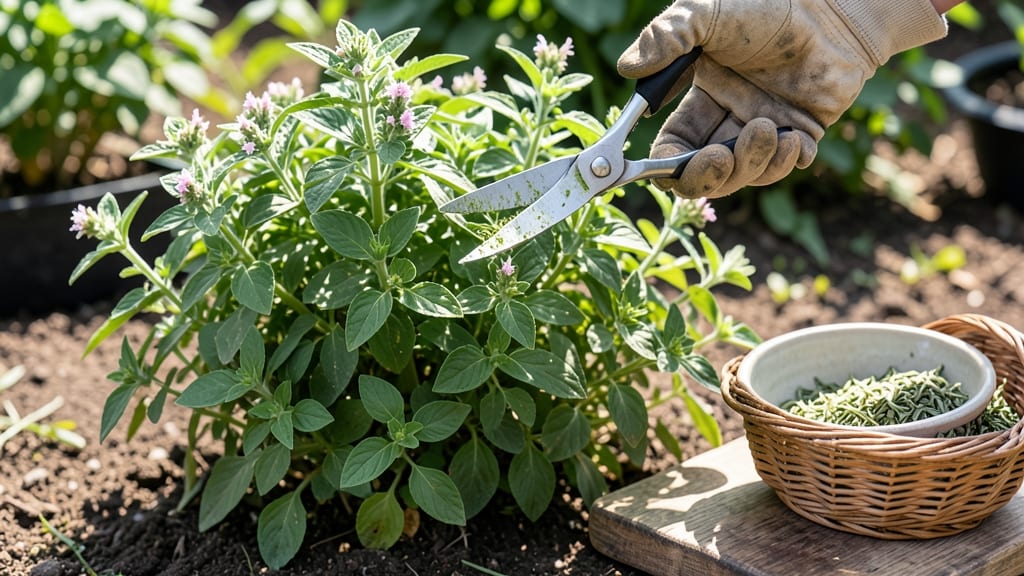
To harvest oregano at its peak flavor, aim for late morning after the dew has dried but before the sun peaks—this is when the oils are most potent.
Fresh oregano isn’t just a kitchen staple—it’s a flavor powerhouse that peaks when harvested correctly, and knowing the right time and techniques can transform your garden’s bounty into year-round seasoning.
If you’ve ever crushed a sprig and been hit with that bold, earthy aroma, you know why oregano is worth the effort. But timing matters: harvest too early, and the flavor is weak; wait too long, and the plant bolts or loses intensity.
Below, I’ll walk you through the best methods to harvest, dry, and store your oregano—plus how to keep your 🌿 thriving for multiple seasons of flavorful harvests.
When and how to harvest oregano for maximum flavor
Timing is everything when harvesting oregano—this hardy herb reaches its peak flavor at specific growth stages. If you harvest too early, the leaves lack intensity, while waiting too long means bitter notes creep in.
The best time to harvest is late spring through early fall, when your plant is 6–12 inches tall and bursting with aromatic leaves but hasn’t yet flowered. This window ensures you capture the bright, citrusy notes that define fresh oregano.
I’ve learned the hard way that fall harvests can actually outshine spring ones. As temperatures cool, oregano’s oils concentrate, delivering a richer, more complex flavor. Aim for September or October in most climates, just before the first frost.
For container-grown oregano, you can even extend harvests into November if you bring pots indoors before freezing temps arrive.
🌿 Numbered Highlights: Pro Tips for Harvesting Oregano
- 1. Choose the Right Time: Harvest in morning hours after dew has evaporated but before midday heat (8–10 AM). Leaves contain the highest oil concentration then.
- 2. Look for These Signs: Dark green leaves, woody but flexible stems, and a strong fragrance when crushed. Avoid plants with flower buds—they signal bitter flavors.
- 3. Prune Correctly: Use clean, sharp scissors to cut 3–4 inches above the base. Never take more than ⅓ of the plant at once to avoid stressing it.
- 4. Encourage Regrowth: After harvesting, water deeply and add a light fertilizer (5-10-10) to promote new growth. Oregano responds well to regular pruning—it stays bushier and more productive.
- 5. Store Properly: Bundle stems with a rubber band and hang upside down in a dry, dark place for 2–3 weeks. For faster drying, use a dehydrator at 95°F (35°C) for 2–4 hours.
Your cutting technique makes all the difference in preserving flavor and encouraging future harvests. Always use clean pruning shears or scissors to avoid crushing stems, which can bruise the plant. Cut just above a leaf node (where leaves meet the stem) to stimulate new growth from that point.
This method keeps your oregano compact and bushy, rather than leggy and sparse.
One of my biggest mistakes was harvesting only the top leaves—this leaves the stems bare and weak. Instead, I now cut entire stems (about 3–4 inches long) to encourage dense foliage lower down.
This also makes drying easier, as you can bundle multiple stems together. Pro tip: Harvest frequently in small batches rather than taking everything at once. This keeps your plant productive year-round.
Oregano’s flavor intensity varies by variety, but most common types (like Greek oregano) peak when harvested before flowering. If you notice tiny white or purple buds forming, it’s time to harvest immediately—those buds will quickly turn bitter.
For Italian oregano, which has broader leaves, you can wait slightly longer, but never let flowers fully open.
After harvesting, drying is key to locking in that fresh flavor. I’ve tried every method—hanging, oven-drying, and even a dehydrator—but hanging bundles in a dark, well-ventilated space (like a pantry) gives the most authentic, robust taste.
It takes longer (2–3 weeks), but the result is worth it. For quicker drying, set your dehydrator to 95°F (35°C) and check every 2–3 hours to avoid overheating.
Don’t overlook the regrowth benefits of proper harvesting. When you prune correctly, your oregano plant branches out and becomes thicker, producing more leaves over time. I’ve seen my 3-year-old plants go from 12-inch stalks to bushy, foot-tall shrubs just by harvesting every 4–6 weeks during the growing season.
This also prevents woody stems from dominating, keeping the plant soft and leafy.
If you’re growing oregano in containers, harvesting becomes even more critical. Potted plants have limited space, so pruning regularly prevents them from becoming root-bound. I repot mine every 2–3 years and trim back ⅓ of the plant in early spring to encourage vigorous new growth.
This keeps my container oregano thriving for decades—some of my plants are now over 5 years old!
Finally, store your dried oregano properly to retain its bold, earthy flavor. Keep it in an airtight container away from light and heat, where it’ll stay potent for 6–12 months.
For the freshest taste, though, freeze harvested stems in an ice cube tray with water or oil—this preserves flavor for up to 6 months without drying.
Step-by-step guide to drying oregano at home
Once you've harvested your fresh oregano, preserving its vibrant flavor through proper drying is essential. The right method ensures your homegrown herb retains its aromatic oils and rich green color.
Whether you choose air-drying, a dehydrator, or your oven, each technique has unique benefits for maximizing shelf life and potency.
Drying oregano at home isn't just about saving money—it's about capturing that peak flavor right after harvest. The key lies in timing and technique. If done correctly, your dried oregano can last up to 12 months while maintaining its culinary magic.
Let's explore the best methods to achieve perfect results every time.
For the hanging method, bundle fresh oregano sprigs and hang them upside down in a dry, dark, well-ventilated space. This traditional approach takes the longest but preserves the most natural oils.
Choose a spot with consistent airflow to prevent mold, and expect your oregano to dry completely in 2-3 weeks.
Using a dehydrator is the fastest method, delivering uniform drying in just 2-4 hours. Spread sprigs in a single layer on dehydrator trays, ensuring no overlapping.
Set the temperature to 95°F (35°C) to avoid burning the delicate leaves. This method is ideal for large batches and maintains excellent flavor retention.
If you prefer an oven method, preheat to 200°F (93°C) and spread sprigs on a baking sheet lined with parchment paper. Prop the oven door open slightly with a wooden spoon to allow moisture escape.
Check every 30 minutes to prevent over-drying, which can turn leaves brittle and flavorless.
To test for perfect dryness, gently rub a leaf between your fingers. If it crumbles easily and no green moisture remains, your oregano is ready. Store dried oregano in airtight containers away from light to preserve its vibrant color and potent flavor for up to a year.
Pro tip: Label your containers with the harvest date to track freshness. For best results, use dried oregano within 6-8 months for peak flavor intensity. With these methods, you'll enjoy homegrown oregano all year round!