
How To
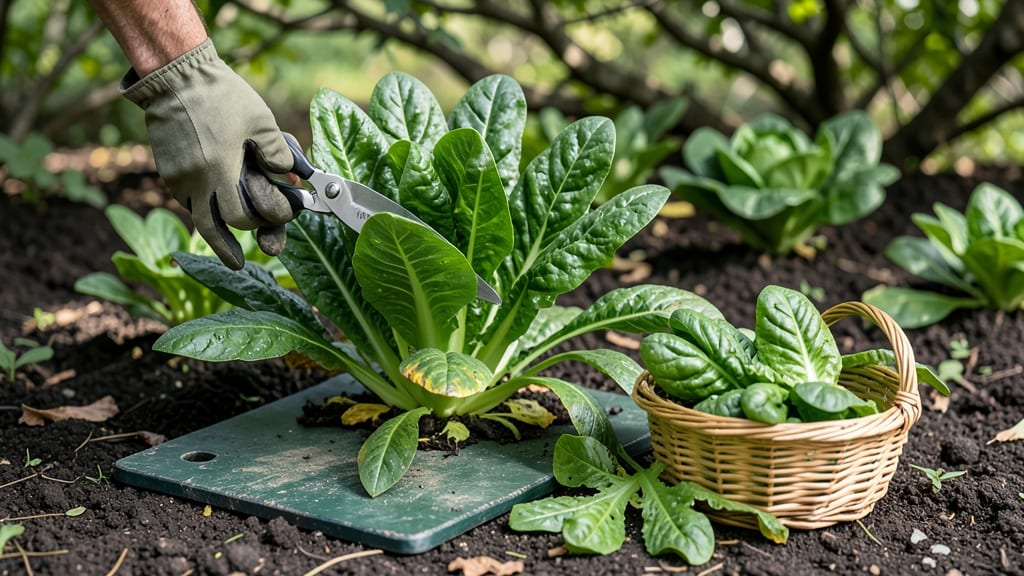
To harvest romaine lettuce at its crispest, focus on timing and technique — cutting when leaves hit 6-8 inches ensures maximum flavor without bitterness.
Romaine lettuce thrives when harvested at the perfect moment—too early and you lose flavor, too late and it bolts into bitterness. Picture this: you’ve nurtured your 🥬 for weeks, and now it’s time to pick it just right.
One wrong move, and you’re left with tough, bitter leaves or wasted effort.
Harvesting romaine isn’t just about cutting leaves—it’s about preserving freshness and encouraging regrowth. The right tools and method make all the difference, whether you’re picking whole heads or individual leaves for salads.
In this guide, I’ll walk you through the 3 key signs your romaine is ready, the best cutting techniques, and how to store it so it stays crisp for days. Ready to enjoy homegrown salads at their peak?
3 Clear signs your romaine lettuce is ready for harvesting
Harvesting romaine lettuce at the right time ensures crisp texture and maximum flavor. Missing these visual cues can lead to bitter leaves or premature bolting, so knowing exactly when to pick is key.
The perfect romaine harvest balances leaf size, color vibrancy, and stem firmness—all signs your plants are ready for the table.
One of the biggest mistakes gardeners make is waiting too long. Over-mature romaine develops woody stems and bolting flowers, ruining its delicate taste. Instead, focus on these three clear indicators to time your harvest perfectly.
These signs will help you avoid tough, bitter leaves while maximizing your yield and freshness.
Start by checking the leaf length—romaine lettuce is ready when the outer leaves reach 6-8 inches. This size ensures they’re fully developed but still tender.
Smaller leaves may lack flavor, while larger ones risk becoming fibrous or bitter. Use this as your first visual benchmark before moving to other checks.
📌 Numbered Highlights: How to Spot Perfectly Ripe Romaine
- 📏 Leaf Size: Outer leaves should be 6-8 inches long and fully elongated. Measure from the base to the tip—if they’re shorter, wait a few days.
- 🌿 Color Consistency: Leaves should be a deep, vibrant green with no yellowing or browning. Pale or spotted leaves mean it’s past its prime.
- ✂️ Stem Firmness: Gently tug a leaf—it should snap cleanly at the base, not tear. A mushy or hollow stem signals overmaturity.
- 🌱 Head Shape: The romaine head should be tight and upright, not loose or spreading. Loose leaves indicate it’s ready for harvest.
- ⏰ Time of Day: Harvest in the morning after dew dries (6-9 AM) for the crispest texture and longest shelf life.
Pro Tip: For continuous harvests, pick outer leaves first—this encourages regrowth without stressing the plant.
Next, examine the leaf color—romaine lettuce at its peak should be a uniform deep green. Any yellowing, browning, or white patches are red flags. These discolorations often signal nutrient deficiencies, overwatering, or bolt initiation.
If you spot these, harvest immediately to salvage what you can before the entire head spoils.
Avoid the temptation to harvest pale or spotted leaves, even if the plant looks otherwise healthy. These signs often precede bitterness or woody texture, which ruin salads.
Instead, focus on vibrant green leaves as your primary color cue. This ensures you’re picking romaine at its sweetest and most tender.
The stem firmness test is your final check—this tactile cue is non-negotiable. Gently grasp the base of an outer leaf and pull upward. If it snaps cleanly (not tears), the lettuce is ready.
A soft or hollow stem means it’s overripe, while a resistant pull indicates it’s still maturing. This simple test saves you from harvesting tough, unpalatable leaves.
Timing your harvest correctly also depends on the season. In cooler climates, romaine matures faster (60-70 days), while hotter regions may take up to 80 days. Watch for these three signs together—they’re your green light to harvest.
Ignoring them risks bolting, where the plant sends up a flower stalk, making the leaves inedible and bitter.
Once you’ve confirmed all three signs, act quickly. Morning harvests yield the crispest romaine because the leaves are hydrated from overnight dew but haven’t softened in the heat.
Use a sharp knife or clean scissors to cut the entire head at the base or snip individual leaves from the outer edges. This method encourages regrowth, giving you multiple harvests per plant.
After harvesting, rinse the leaves in cool water to remove dirt, then pat dry with a clean towel or salad spinner. Store them in a perforated plastic bag in the crispest part of your fridge (usually the vegetable drawer) to extend freshness.
With the right timing, your romaine lettuce will stay crisp for up to 10 days—far longer than store-bought varieties.
Remember, romaine lettuce is a cut-and-come-again crop. By harvesting outer leaves first, you can enjoy multiple harvests over 4-6 weeks. This method also prevents bolting and keeps your plants productive.
Now that you know the three clear signs, you’re ready to pick perfectly ripe romaine every time—no more guesswork, just flavorful, crisp salads all season long.
Step-by-step romaine lettuce harvesting techniques for maximum yield
Harvesting romaine lettuce at the right time maximizes flavor and encourages regrowth for continuous harvests. The key is choosing between whole-head harvesting or cut-and-come-again methods, depending on your goals. For baby leaves, you’ll harvest sooner, while full heads require patience and precise timing to avoid bitterness.
Your harvesting tools should include a sharp pruning shears or clean kitchen knife to make clean cuts that prevent damage. Always sanitize tools with rubbing alcohol before use to avoid spreading disease. Work in the early morning when leaves are crispest and temperatures are cooler, preserving freshness longer.
How to Harvest Romaine Lettuce
- 1. Choose your method: Decide between harvesting individual leaves (cut-and-come-again) or the entire head. For baby leaves, snip outer leaves when they reach 4-6 inches.
- 2. Use clean tools: Hold the base of the leaf or stem firmly and cut with a sharp knife at a 45-degree angle to avoid tearing. For whole heads, cut 1 inch above the soil.
- 3. Encourage regrowth: After harvesting, leave 1-2 inches of stem to promote new growth. Water thoroughly and provide partial shade if temperatures exceed 80°F to prevent bolting.
- 4. Store properly: Rinse leaves in cool water, dry with a clean towel, and store in a ventilated plastic bag in the fridge. For longer storage, wrap in a damp paper towel before refrigerating.
- 5. Plan for succession: Sow new seeds 2-3 weeks after your first harvest to ensure a continuous supplyshade cloth in summer to protect seedlings from heat stress.
For baby romaine leaves, harvest when they’re 4-6 inches tall to enjoy tender, sweet flavors. This method also extends your harvest season by 4-6 weeks compared to waiting for full heads. Always avoid cutting into the center stem, as this can kill the plant and end your harvest.
If you notice your romaine developing yellowing leaves or tall flower stalks, it’s already bolted. This happens when plants experience heat stress or daylength changes. To prevent this, provide consistent moisture and mulch to keep soil temperatures stable.
With these techniques, you’ll enjoy crisp, flavorful romaine for weeks while encouraging your plants to regrow for multiple harvests. Happy harvesting! 🥬