
How To
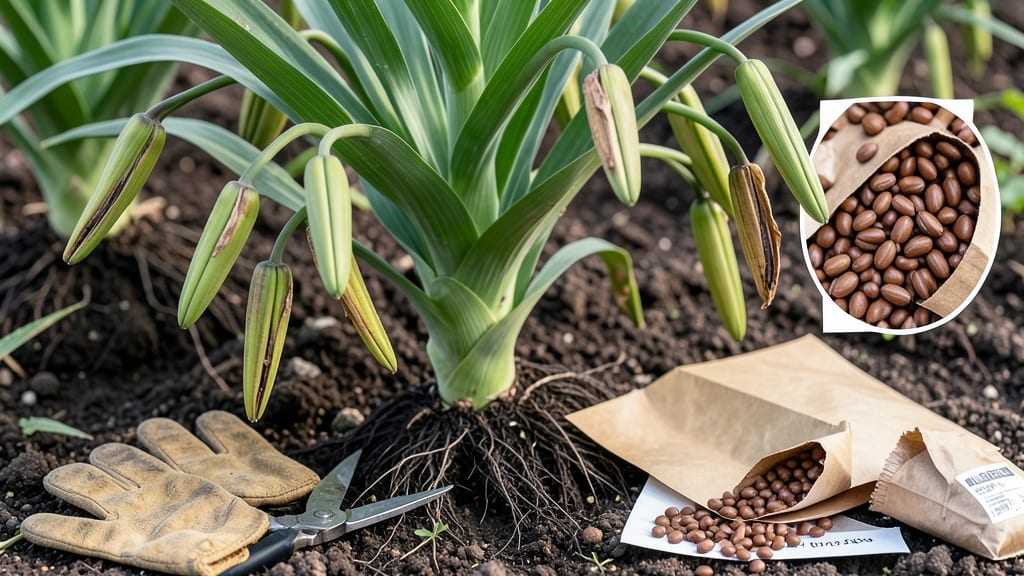
Harvesting tiger lily seeds at the right time ensures you collect viable seeds for next year’s garden 🌸—and missing the window means wasted effort or lost seeds.
Picture this: you’ve spent months nurturing your tiger lilies, and now the seed pods are forming. But how do you know when they’re ready? Harvest too early, and the seeds won’t sprout; wait too long, and they’ll scatter or spoil.
The key is spotting those telltale signs—dry, brown pods that split open naturally.
In this guide, I’ll walk you through the exact steps to harvest tiger lily seeds, from identifying the perfect moment to processing and storing them for future planting. You’ll also learn how to troubleshoot common issues like moldy pods or low germination rates, so you can maximize your success.
By the end, you’ll feel confident collecting seeds like a pro—no more guesswork, just healthy, ready-to-plant tiger lily seeds for your garden.
When and how to identify tiger lily seed pods ready for harvest
After your tiger lilies bloom in summer, watch for the transformation of their spent flowers into seed pods. These pods start green and firm but gradually mature into the perfect candidates for harvest.
Knowing the exact visual cues and seasonal timing ensures you collect viable seeds before they scatter or degrade.
In USDA zones 3-10, tiger lily seed pods typically mature between late summer and early fall, usually from September to October. This window varies slightly based on your local climate—cooler zones may experience a delayed harvest by 2-3 weeks compared to warmer southern regions.
| Stage | Visual Cues | Action Required | USDA Zones |
|---|---|---|---|
| Early Pod Formation | Green, firm pods (🟢) | Monitor weekly | All zones |
| Maturing Pods | Brown, dry, crispy texture (🟤) | Harvest when pods split naturally | 3-10 |
| Overripe Pods | Pods fully open, seeds scattered (🌾) | No viable seeds remain | All zones |
| Ideal Harvest Window | Pods turn deep brown, seeds rattle (🔊) | Collect seeds immediately | 3-10 (Sept-Oct) |
Look for pods that turn deep brown and develop a crispy, papery texture. When you gently shake a mature pod, you’ll hear seeds rattling inside—a clear sign of readiness. If the pods split open naturally, act quickly to collect seeds before they scatter on the ground.
In cooler climates (zones 3-6), pods may take longer to mature due to shorter growing seasons. Start monitoring pods in early September and harvest by mid-October to avoid early frosts. Warmer zones (7-10) can extend harvesting until November.
One of the biggest mistakes is harvesting green or partially mature pods. These will yield non-viable seeds that won’t germinate. Always wait until pods are fully brown and seeds rattle before collecting. This ensures the highest germination success rate.
If you miss the harvest window, don’t worry—tiger lilies are perennial plants that will return year after year. However, overripe pods (those that have already split open) won’t produce viable seeds, so timing is critical for successful propagation.
For gardeners in USDA zone 7 or higher, keep an eye out for humidity-related mold on pods. If pods develop fuzzy growth, harvest them immediately and dry seeds indoors to prevent spoilage. A dehumidifier or fan can help speed up the drying process.
Pro tip: Use a paper bag to collect seeds directly from mature pods. This prevents seeds from scattering while you work and makes the process cleaner. Label your bags with the harvest date and store them in a cool, dry place until ready for planting.
Once you’ve mastered identifying mature tiger lily seed pods, you’ll be able to propagate new plants with ease. These seeds can be sown directly in the garden or started indoors for a head start in spring planting. Happy harvesting! 🌾
Step-by-step guide to harvesting and processing tiger lily seeds
Now that you’ve identified your tiger lily seed pods as ready for harvest, it’s time to collect and process them carefully. The key is to work quickly but gently—these pods dry out fast once mature, and seeds can scatter or lose viability if mishandled.
Gather your harvesting tools, including pruning shears, a small bucket, and paper towels, before heading outside on a dry, sunny morning when humidity is low.
Wear gloves to protect your hands from the pods’ fibrous texture and any potential irritants. Tiger lily seeds are encased in a tough outer shell, so avoid crushing them during extraction. Your goal is to preserve their germination potential while removing debris like dried flower stems or soil particles.
Let’s break down the process into clear, actionable steps to ensure you maximize your seed yield.
How to Harvest Tiger Lily Seeds
- 1 Gently twist and pull the mature seed pods from the stem. Avoid cutting—this can damage the pod and reduce seed quality. If a pod resists, use pruning shears to detach it cleanly at the base.
- 2 Place the pods in a paper bag (not plastic) to allow airflow while preventing seeds from escaping. Label the bag with the harvest date and lily variety if you’re collecting multiple types.
- 3 Let the pods dry indoors for 3–5 days in a warm, dry location (like a sunny windowsill). This ensures any remaining moisture evaporates, reducing the risk of mold or rot during storage.
- 4 Once fully dry, open the pods by gently squeezing them over a clean sheet of paper or directly into your bucket. Discard any pods that feel soft or contain shriveled seeds—these won’t germinate.
- 5 Separate seeds from chaff by winnowing—hold the seeds over a tray and gently blow or shake them. The lighter debris will float away, leaving behind the dark, firm seeds ready for storage.
After extracting your seeds, it’s time to clean and store them properly. Spread the seeds on a clean, dry surface (like a baking sheet) and inspect each one for signs of damage or pests.
Use a soft brush to remove any remaining debris, but avoid scrubbing—this can weaken the seed coat. Store the cleaned seeds in a paper envelope or breathable cloth bag in a cool, dark place, like a seed vault or refrigerator drawer.
Label your storage container with the harvest year and lily variety to track viability. Tiger lily seeds typically retain viability for 1–2 years if stored correctly, though germination rates may drop over time.
For best results, plant them within 6 months of harvest—this ensures higher success rates when starting new plants.
One common mistake gardeners make is overlooking seed pod maturity. If pods are still green or slightly moist, the seeds inside won’t be ready. Conversely, waiting too long can lead to seed scatter or attraction to pests like squirrels.
Always harvest when pods are fully brown and crispy, and seeds rattle inside—this is your green light for collection.