
Picking
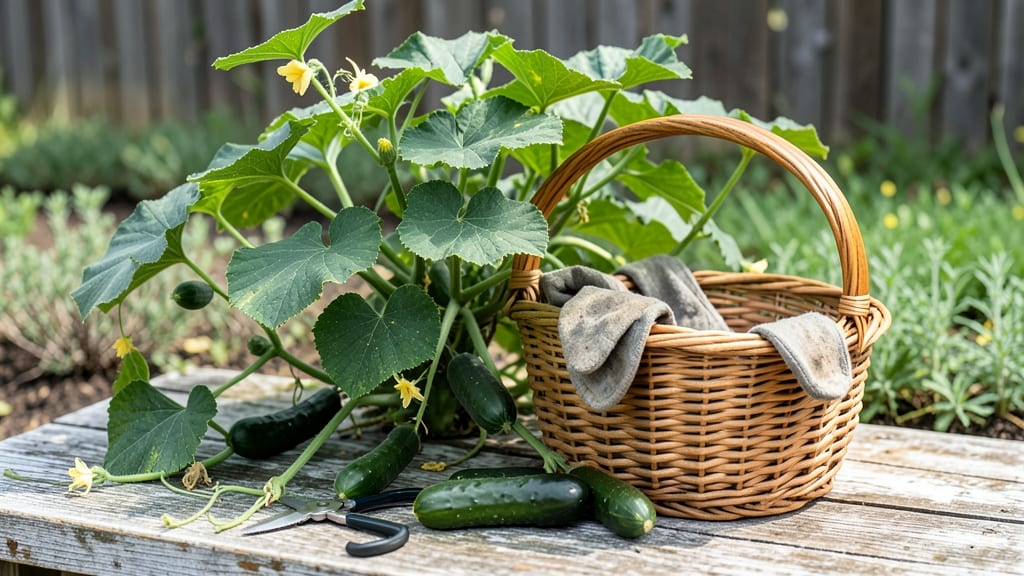
Harvesting cucumbers in the right month ensures you get the crisp, sweet flavor you love—and missing the window means tough, bitter fruit that’s nearly inedible.
Timing your cucumber harvest wrong can mean the difference between crisp, flavorful slices and bitter, seedy disappointments—so knowing the exact months to pick matters more than you think.
For most gardeners in USDA Zone 6a, cucumbers 🥒 are ready to harvest from June through September, but the best time depends on your climate and plant type. Vining varieties often ripen earlier, while bush types may linger longer.
Below, I’ll break down the ideal harvest months by region, how to spot peak ripeness, and why picking at the right time keeps your plants producing all season long.
Best harvest months for cucumbers by plant type (vining vs. bush)
Knowing when to harvest cucumbers depends entirely on whether you're growing vining varieties or bush types. Vining cucumbers like Marketmore or Straight Eight produce continuously through summer, while bush varieties like Bush Champion offer a more concentrated harvest window.
Even within these categories, slicing, pickling, and specialty cucumbers (like Persian or lemon cucumbers) have unique timing needs.
In most USDA Zones 5-8, the peak harvest months fall between July and September, but early varieties can start as soon as June in warm climates.
For example, early-season slicing cucumbers like Early Girl may be ready in 50-55 days, while late-season varieties like National Pickling might extend into October with proper care.
Regional adjustments are key: In Southern states (Zones 9-11), cucumbers can be harvested year-round, while Northern gardeners (Zones 3-4) may only get 6-8 weeks of harvest time before frost.
Even within these zones, trellising vining varieties can push harvests 2-3 weeks later by improving air circulation and reducing disease risk.
| Cucumber Type | Growth Habit | Peak Harvest Months (Zones 5-8) | Days to Maturity | Best For |
|---|---|---|---|---|
| Slicing (e.g., Marketmore, Straight Eight) | Vining | July–September | 55–65 days | Salads, sandwiches |
| Pickling (e.g., Boston Pickling, National Pickling) | Bush or Vining | June–October (with row covers) | 50–60 days | Pickles, relishes |
| Specialty (e.g., Persian, Lemon) | Bush or Compact Vining | July–August (short season) | 45–55 days | Gourmet dishes |
| Early Varieties (e.g., Early Girl, Sweet Success) | Vining | June–July (early start) | 45–50 days | Short-season gardens |
| Late Varieties (e.g., Arkansas Little Leaf) | Vining | August–September (extended) | 60–70 days | Fall harvests |
For vining cucumbers, the harvest window is longer because these plants produce continuously for 6-8 weeks if you keep picking. I’ve found that trellising vining varieties not only saves space but also extends the harvest by 2-3 weeks by improving air flow and reducing disease.
In my Zone 6 garden, Marketmore cucumbers on a trellis produced fruit until mid-October, while bush varieties like Bush Champion tapered off by early September.
Bush cucumbers offer a more concentrated harvest but are ideal for small spaces or containers. Their shorter vines (1-3 feet) make them perfect for balconies or patios, and they often ripen 1-2 weeks earlier than vining types. In warmer climates (Zones 9-11), bush varieties can even produce year-round with minimal care, though flavor peaks in spring and fall.
If you’re growing specialty cucumbers like Persian or lemon cucumbers, timing is critical because these varieties have shorter harvest windows (4-6 weeks). For example, Persian cucumbers should be harvested when they’re 3-4 inches long—any longer, and they become seedy and bitter.
I’ve learned the hard way that waiting too long for these delicate varieties turns a crisp, sweet snack into a disappointing garden experiment.
For <
How to determine cucumber ripeness: size, color, and texture clues
Harvesting cucumbers at the right moment transforms your garden into a crisp, flavorful bounty instead of a bitter disappointment. The key lies in mastering three simple clues: size, color, and texture.
Each variety has its own ideal window—slicing cucumbers often peak at 6-8 inches, while pickling types may be ready smaller. Even the stem color changes from green to yellow as cucumbers mature, signaling peak ripeness.
Don't assume all cucumbers follow the same timeline. Bush varieties typically mature faster than vining types, and climate zones shift harvest windows by weeks. For example, Southern gardeners might start picking as early as May, while Northern growers often wait until July or August.
Understanding these variations ensures you never miss the perfect harvest moment.
⚠️ WARNING: Common Harvest Mistakes That Ruin Your Cucumbers ⚠️
Waiting Too Long for Yellow Cucumbers
Many gardeners assume cucumbers must turn yellow to be ripe, but this is only true for slicing varieties. Most commercial cucumbers (like Marketmore) should be harvested green at 6-8 inches. Overripe yellow cucumbers often develop bitter, seedy interiors and a mushy texture—a gardener's worst nightmare.
🌱 Pro Tip: Check the stem end—if it's yellow, your slicing cucumbers are ready. For pickling types, harvest when they're small (2-4 inches) and firm, regardless of color.
Start by examining the size—most slicing cucumbers reach peak flavor between 6 and 8 inches.
Measure from the stem end to the blossom end to avoid confusion. Pickling cucumbers, like Boston Pickles, should be harvested when they're 2-4 inches long—any larger and they become too tough for proper pickling.
Specialty varieties, such as Persian cucumbers, may stay smaller (4-6 inches) but develop a sweet, tender texture when ready.
Color plays a crucial role, but it varies by variety. Green cucumbers (the most common type) should have a deep, even hue without yellowing or pale spots. For yellow cucumbers, like Lemon cucumbers, wait until the skin turns fully yellow with a slight waxy sheen.
Press the cucumber gently—it should feel firm but yield slightly under pressure, like a ripe avocado. If it's rock-hard, it's underripe; if it's mushy, it's past its prime.
Texture is your final clue, and it's often overlooked. Run your thumb over the cucumber's skin—it should feel smooth and slightly bumpy, not rough or waxy. Twist the cucumber gently at the stem; if it snaps cleanly and the skin separates easily from the vine, it's ready.
A stubborn stem means it's not ripe enough. In hot climates, cucumbers may mature faster, so check them every 2-3 days to avoid missing the window.
Adjust your harvesting schedule based on your USDA zone. In Zones 3-5, focus on July through August for peak harvests, while Zones 7-10 can enjoy cucumbers from May through October.
If you're in a tropical zone, you might harvest year-round, but always prioritize size, color, and texture over calendar months. A late harvest in cooler zones? Use row covers to extend the season by 2-4 weeks.