
How To
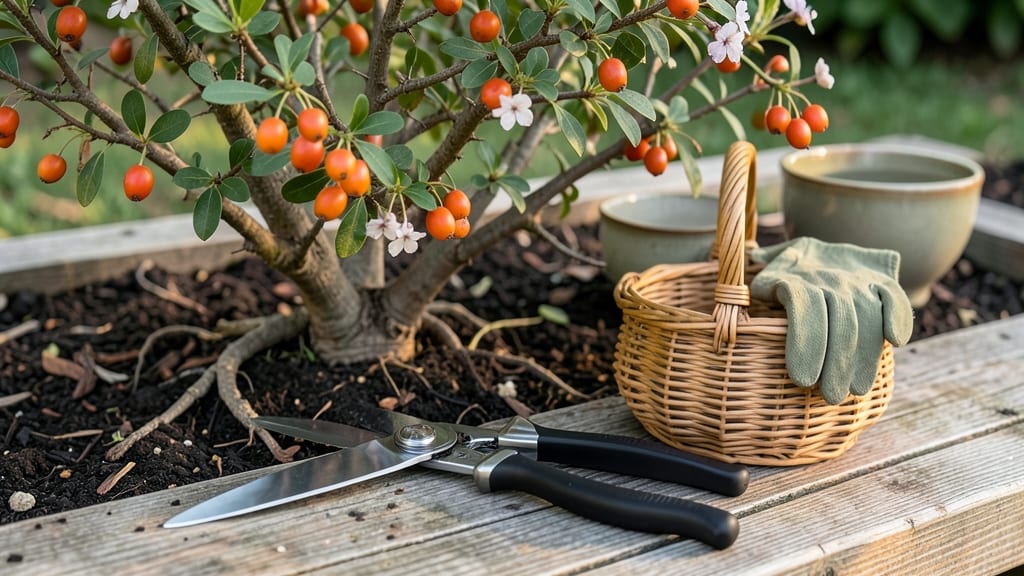
Harvesting goji berries at the right time turns your 🍇 shrub into a sweet, nutrient-rich goldmine—but miss the window, and you end up with bitter, underripe fruit.
Picture this: you’ve waited months for your goji berries to ripen, only to pick them too early and taste that sharp, seedy disappointment. The key? Watching for that perfect color shift from green to deep red, which signals peak flavor and sweetness.
In USDA Zone 6a, that usually happens between late August and October, but sunlight and regional climate can shift the timeline. A sunny summer might speed things up, while cooler weather could delay it.
Below, I’ll show you exactly how to spot the ideal moment—plus tips for maximizing yield and flavor so you never waste another harvest.
How to identify the perfect goji berry color for harvesting
Goji berries undergo a dramatic color transformation from green to bright orange and finally to deep red—each stage signaling a different flavor profile.
As a gardener who’s spent years perfecting my goji harvest, I’ve learned that color isn’t just about aesthetics; it’s the most reliable indicator of when to pick for maximum sweetness and nutrient richness. The challenge? Understanding how sunlight, climate, and even your location affect this process.
In cooler climates like USDA Zone 5, berries may take 10-14 days longer to ripen compared to warmer zones like Zone 8. Meanwhile, plants in full sun (6+ hours daily) develop their signature red hue 3-4 weeks earlier than those in partial shade.
This means your harvest window could shift by nearly a month depending on where you garden—so pay attention to local microclimates!
Here’s the color progression you’ll see on your goji berries, along with what each stage means for flavor and harvest readiness:
| Color Stage | Berry Appearance | Flavor Profile | Harvest Readiness | Regional Notes |
|---|---|---|---|---|
| 🟢 Green | Small, firm, glossy | Tart, underdeveloped | Not ready | Common in early summer |
| 🟠 Orange | Plump, slightly soft, dull finish | Balanced sweet-tart | Early harvest window | Faster in desert climates |
| 🔴 Deep Red | Large, slightly wrinkled, glossy | Sweet, nutty, peak flavor | Optimal harvest | Slower in coastal areas |
| 🟣 Dark Purple-Black | Overripe, mushy, wrinkled | Bitter, seedy, fermented | Avoid harvesting | Common in humid summers |
The deep red stage is your sweet spot—this is when goji berries pack their highest antioxidant levels and natural sugar content.
I’ve found that in my Zone 7 garden, berries hit this stage around mid-September, but in Zone 9, they’re ready as early as late August.
Pro tip: If your berries stay orange longer, they’re likely getting less than 6 hours of sun—consider pruning nearby shade trees or relocating the plant.
Sunlight plays a critical role in speeding up the color change. Plants in full sun can shift from green to red in just 6-8 weeks, while those in partial shade may take 10-12 weeks.
For example, my neighbor in Phoenix harvests in July, while my berries in Portland don’t ripen until October. This regional variation means you’ll need to monitor your specific plants rather than relying on calendar dates.
One common mistake I see is waiting until berries turn dark purple-black—this signals overripeness, which turns the fruit bitter and seedy. At this stage, the berries also shrink slightly and may split open, making them prone to mold.
To avoid this, I harvest every 3-4 days once the berries reach the deep red phase, ensuring I catch them at peak sweetness.
For beginners, I recommend comparing berries to a red apple for reference—the deep red of a ripe goji should match the hue of a Fuji apple. If you’re still unsure, do the firmness test: gently press a berry between your thumb and index finger.
It should yield slightly (like a ripe peach) but not feel mushy. This tactile check is especially useful in cloudy weather, when color can be harder to judge.
Remember, harvest timing affects storage life too. Berries picked at the deep red stage can last 2-3 weeks in the fridge, while overripe ones spoil within 3-5 days.
To extend freshness, store them in a paper bag in the crisper drawer—this mimics the humidity control of their natural environment and keeps them from drying out too quickly.
If you’re growing goji berries in containers, expect the ripening process to be 1-2 weeks slower than in-ground plants due to limited root space and
5 Signs your goji berries are ready to pick (beyond color)
While deep red color is the most obvious sign, goji berries reveal subtle cues that guarantee peak sweetness. I’ve learned the hard way—overripe berries turn bitter and seedy, ruining the harvest. Beyond the color shift, these five key indicators will help you pick at the perfect moment.
First, focus on berry firmness. At peak ripeness, goji berries should yield slightly when gently pressed between your thumb and forefinger—like ripe peaches. If they feel rock-hard or mushy, they’re either too early or too late. This firmness test is my go-to trick for consistency.
Next, examine the seed development stage. Split a berry open: fully ripe seeds should be plump and white, not shriveled or still translucent. I always test 2-3 berries from different branches to confirm uniformity. This step ensures you’re not harvesting a mix of underripe and overripe fruit.
- 🤏 Firmness Test: Berries yield slightly when pressed (like ripe peaches)
- 🌱 Seed Stage: Seeds are plump and white, not translucent or shriveled
- 🌿 Stem Separation: Berries twist off easily with a gentle pull (no resistance)
- 🍎 Flavor Test: Taste one berry—sweet with slight tartness (no bitterness)
- 🌡️ Avoid Overripe: Berries stay attached if left past their prime (they’ll shrivel)
Don’t overlook the stem separation method. Ready-to-pick berries should detach effortlessly with a gentle twist—no tugging required. If the berry resists, it’s not ripe enough. I use this method to avoid damaging the plant while ensuring I only harvest what’s perfect. It’s a game-changer for large harvests!
For the ultimate test, perform a flavor test on one berry. At peak ripeness, goji berries should burst with sweetness and a hint of tartness. If they taste bitter or bland, they’re past their prime.
This simple step saves me from harvesting entire batches that won’t taste great dried or fresh.
Finally, watch for overripe berries that cling stubbornly to the stem. These lose sweetness quickly and develop a mealy texture. I’ve learned to harvest in batches, focusing on clusters that meet all five signs first. This staggered approach maximizes flavor and yield throughout the season.