
How To
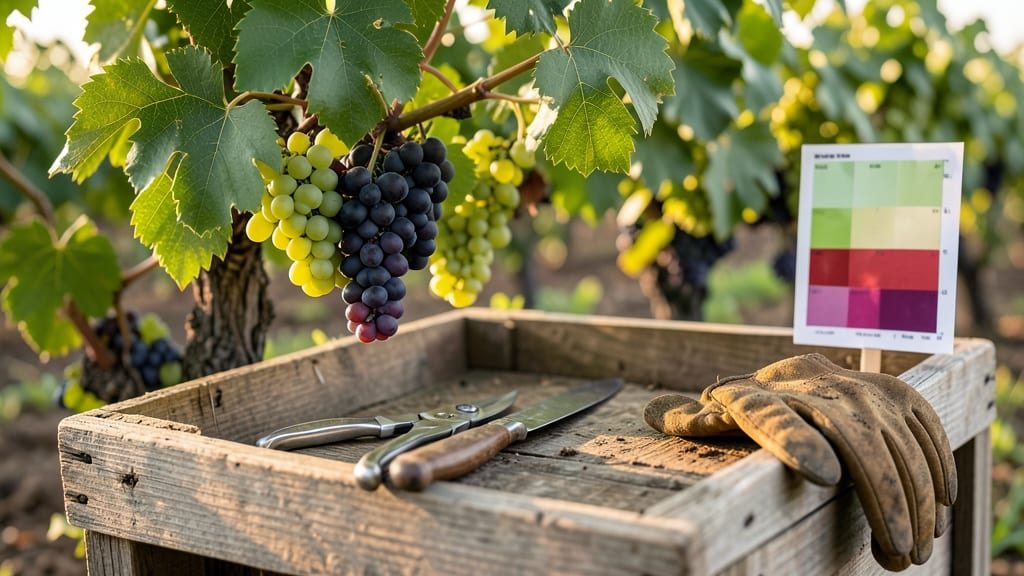
Harvesting grapes at the right time means waiting for berries to reach their peak flavor and texture, not just their color.
Picture this: you’ve spent months tending to your 🍇 grape vine, and now the moment has arrived—but how do you know when those clusters are truly ready? Too soon, and your grapes will be tart or underripe; too late, and they’ll lose their sweetness or even split.
The secret lies in combining three simple tests: berry color, stem snap, and sugar content.
In Zone 6a, where many home gardeners grow grapes, timing is everything. A late harvest can mean softer berries or even rot, while an early one leaves you with grapes that lack depth.
Whether you’re growing wine grapes, table grapes, or raisins, these cues will help you decide when to pick—before the birds or weather beat you to it.
Below, I’ll walk you through each method, so you can confidently harvest your grapes at their sweetest, juiciest, and most flavorful stage—no guesswork required.
3 Key signs to harvest grapes at peak ripeness
Harvesting grapes at the perfect moment ensures maximum flavor, sweetness, and quality—whether you're growing wine grapes, table grapes, or raisins. Missing this window means underripe, tart berries or overripe, mushy clusters.
The key lies in three reliable indicators: visual cues, tactile tests, and chemical analysis. I’ll walk you through each method so you can confidently pick grapes when they’re at their peak.
First, let’s tackle the biggest mistake I see in home vineyards: harvesting based on calendar dates alone. Grapes ripen based on temperature, sunlight, and variety, not the clock. For example, Concord grapes might be ready in early September, while Thompson Seedless grapes could peak weeks later.
By combining these three signs, you’ll avoid bitter or bland harvests and enjoy grapes bursting with flavor.
🍇 3 Signs Your Grapes Are Ready to Harvest
- 1. Berry Color: Grapes reach their full, deep color for the variety (e.g., purple-black for Cabernet, golden for Chardonnay). Use a color chart for your specific grape type to confirm.
- 2. Stem Snap Test: Gently pinch a grape between your thumb and forefinger. If the stem snaps cleanly (not too soft or brittle), the grape is ripe. A mushy stem means overripe; a hard stem means underripe.
-
3. Sugar Content (Brix Test): Use a refractometer to measure sugar levels. Ideal Brix ranges:
- Table grapes: 14-18° Brix
- Wine grapes: 20-24° Brix (varies by style)
- Raisin grapes: 24-30° Brix (higher sugar = better drying)
Pro Tip: Combine all three signs for the most accurate harvest timing. For example, a grape might look colored but fail the stem snap test—wait a few days!
Let’s dive deeper into the berry color sign, as this is the first visual cue most gardeners notice. The color of grapes at harvest isn’t just about aesthetics—it’s a direct indicator of ripeness.
For red and purple grapes, like Concord or Niagara, the berries should turn a deep, uniform hue without green or pale patches. White grapes, such as Thompson Seedless, should shift from pale green to a golden-yellow or amber tone.
Pay close attention to uneven coloring, which can signal stress or disease.
Next, the stem snap test is a tactile trick that saves you from harvesting underripe or overripe grapes. Here’s how to do it right: pick a representative grape (not the largest or smallest) and gently hold the stem between your fingers.
Twist slightly—if the stem snaps cleanly and the grape detaches easily, it’s ready. If the stem bends without snapping, the grape needs more time. This test works because ripe grapes have higher pectin levels, making the stem more brittle. Overripe grapes will feel mushy and detach too easily.
The sugar content test is where science meets harvest day. A refractometer (a small, handheld device) measures Brix levels, or the sugar concentration in the grape juice.
For table grapes, aim for 14-18° Brix—this ensures sweetness without cloying richness. Wine grapes often need higher sugar (20-24° Brix) to develop proper alcohol content, while raisin grapes should reach 24-30° Brix for optimal drying.
To test, crush a grape between your fingers, place the juice on the refractometer’s prism, and read the Brix level.
Regional climate plays a huge role in these signs. In hotter climates, grapes may ripen faster and reach higher sugar levels sooner. For example, California grapes often hit peak ripeness earlier than those in Pacific Northwest vineyards.
Adjust your expectations based on your USDA zone and local weather patterns. If your area has experienced unusually hot or dry conditions, grapes may concentrate sugars more quickly, so monitor them closely.
One common pitfall is harvesting too late, which leads to bird damage, cracked berries, or even rot. Overripe grapes also develop higher acidity, making them tart rather than sweet. To avoid this, check your grapes every 3-5 days once they near their expected harvest window.
Keep a harvest journal to track when your specific varieties ripen each year—this helps you refine your timing for future seasons.
For wine grapes, timing is critical for flavor balance. Harvesting too early means high acidity and low alcohol, while harvesting too late can result in jammy, overripe wines.
A Brix reading of 22-24° is often ideal for red wine grapes, but you’ll also want to taste the grapes—ripe wine grapes should have a rich, complex aroma with notes of berry, floral, or spice, depending on the variety.
For white wine grapes, aim for 18-22° Brix and a crisp, fresh flavor profile.
Finally, don’t overlook the aroma test. A ripe grape should emit a sweet, fruity scent when crushed. Underripe grapes smell tart or vegetal, while overripe grapes may have a fermented or musky odor.
This sensory check is especially useful for aromatic varieties like Muscat or Flame Seedless, where fragrance is a hallmark of ripeness. Combine this with the other signs for a foolproof harvest.
Berry color chart: what shades mean for different grape varieties
Harvesting grapes at the right time depends heavily on their berry color, which signals ripeness for each variety. While green grapes like Chardonnay or Thompson Seedless may look ready when pale yellow, red and purple varieties like Cabernet Sauvignon or Concord need deeper, richer hues.
Regional climates can shift these colors slightly—cooler areas may produce grapes with lighter shades, while hotter regions often yield intense, vibrant berries.
Never rely on color alone, though! Combine it with stem snap tests and sugar levels for accuracy. For example, a deep purple Cabernet might still need a few more weeks if it lacks sweetness.
Below, I’ve broken down the ideal harvest colors for common varieties, including regional exceptions that could save your harvest from being under- or overripe.
| Variety | Ideal Harvest Color | Regional Notes | Best For |
|---|---|---|---|
| Cabernet Sauvignon | Deep purple-black | Cooler climates: slightly lighter purple | Wine, fresh eating |
| Merlot | Blue-purple | Hotter regions: darker, almost black | Wine, jams |
| Chardonnay (green) | Pale yellow-green | Sunny areas: golden hue | Wine, fresh eating |
| Concord | Deep blue-black | Rainy seasons: may stay lighter | Jelly, juice |
| Thompson Seedless | Bright golden-green | Arid climates: lighter green | Raisins, fresh eating |
White grapes like Chardonnay or Sauvignon Blanc often turn pale yellow or golden at harvest, but don’t confuse them with overripe hues like brown or dull gray. For red grapes, aim for deep, consistent color—a Cabernet Sauvignon should be purple-black, not reddish. Blue grapes like Concord need that deep blue-black tint before picking, or they’ll lack flavor.
Regional variations matter! In cooler climates (e.g., Pacific Northwest), grapes may stay lighter and riper longer. Meanwhile, hotter regions (e.g., California) often produce darker, more intense colors faster. If your grapes are uneven in color, check for sun exposure—shaded clusters may stay pale while sunlit ones ripen.
Pro tip: Compare berries from different parts of the vine. If some are darker or larger, they’re likely ready first. Harvest those clusters separately for consistent ripeness across your batch.
And remember—color alone isn’t enough! Always pair it with a stem snap test and sugar check to avoid bitter or underripe grapes.
🍇