
How To
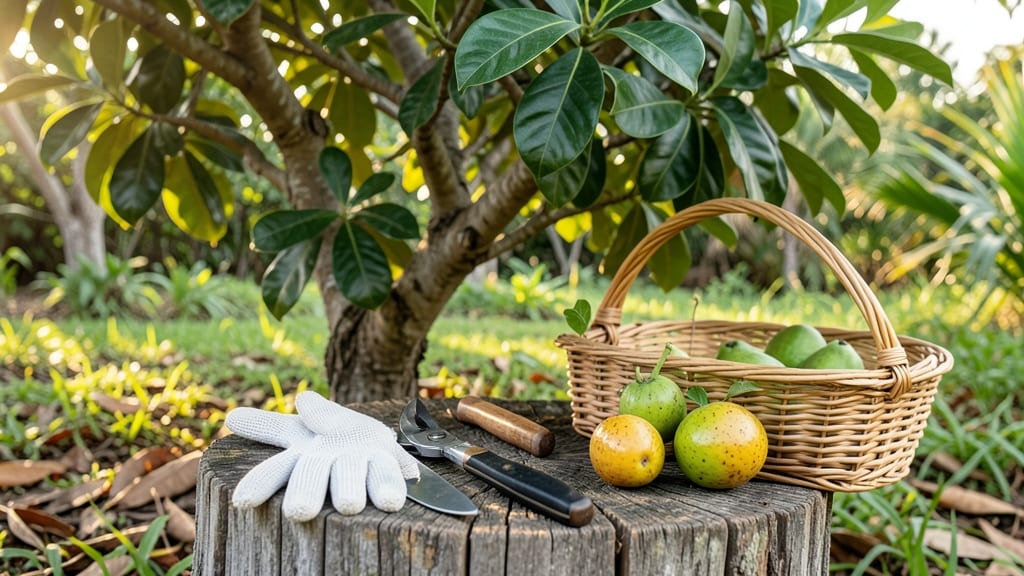
Harvesting guava at the right time ensures you get the perfect balance of sweetness, aroma, and texture 🥝 — and missing the window means mealy, flavorless fruit.
Timing is everything with guavas, especially in General (Tropical/Subtropical Regions) where they thrive year-round. A single day too early or late can turn a juicy, fragrant reward into a disappointment.
Here’s the secret: ripeness isn’t just about color or size—it’s about three simple sensory cues that tell you when to pick. Master these, and you’ll never guess again.
You’ll learn how to read the fruit’s scent, test its give, and spot the telltale color shifts that signal peak ripeness—plus how to handle and store your harvest for maximum flavor.
How to test guava ripeness using 3 key sensory signals
Guavas are nature’s sweet surprises, but their ripeness can be tricky to judge. Unlike many fruits, they don’t soften dramatically before spoiling—so you’ll need to rely on three key sensory signals to nail the perfect harvest.
The good news? These cues are simple once you know what to look for. I’ve tested guavas from strawberry varieties to white-fleshed types, and these methods work every time in my subtropical garden.
First, let’s talk about the visual cues that scream "harvest now." Guavas change color dramatically as they ripen, but the exact shade depends on the variety. Pink guavas deepen to a vibrant rosy hue, while yellow guavas turn from pale green to a golden glow.
Even white-fleshed guavas develop a faint blush or creamy tint. Pro tip: Check the fruit’s sun-exposed side first—it’s where color changes appear earliest.
The tactile test is my favorite because it’s foolproof. Gently twist the guava at its stem—if it detaches easily (like unscrewing a jar lid), it’s ready to pick. Resistance means it needs more time, while a stem that snaps off cleanly signals overripeness.
I’ve learned this the hard way: overripe guavas bruise easily and lose flavor fast, so timing is critical. For tree-ripened guavas, this test is especially reliable because it accounts for both internal and external ripeness.
Don’t underestimate the power of smell—this is where guavas reveal their true potential. A ripe guava emits a sweet, floral aroma that’s impossible to miss.
If you’re near the tree, you’ll often catch the scent before spotting the fruit. Strawberry guavas have the most intense fragrance, while white guavas offer a subtler, creamy scent. Pro growers like me use this cue to harvest entire clusters at once, ensuring uniform ripeness for recipes or fresh eating.
Regional variations matter when testing ripeness. In hotter climates (like Florida or Hawaii), guavas ripen faster and may need harvesting every 2-3 days during peak season. Meanwhile, in cooler subtropical zones (e.g., Southern California), the ripening process slows, giving you a 5-7 day window to test and harvest.
I’ve noticed that morning harvests in cooler areas yield the sweetest fruit—always check after sunrise when temperatures are mild.
One common mistake? Relying only on color. Some guavas (especially white-fleshed varieties) may look ripe but lack flavor if picked too early. That’s why I always combine all three tests.
For example, a pink guava might look perfect but feel firm—if it fails the smell test, I’ll wait another day. This multi-sensory approach has saved me from mealy, underripe fruit more times than I can count.
Harvesting at the right moment also depends on your guava variety. Strawberry guavas (like the Ruby Supreme) ripen fastest and are best eaten fresh, while white guavas (such as White Kwa) hold their texture longer and work well for juicing.
I’ve found that yellow guavas (like Apple Guava) strike a balance—ideal for both eating and cooking. Always research your specific variety’s ripening traits before relying solely on sensory cues.
Once you’ve mastered these tests, you’ll never second-guess guava ripeness again. The key is patience and consistency—check your fruit daily during peak season, and trust your senses.
Over the years, my guava trees have rewarded me with bursting flavor and perfect texture every time I follow these three simple signals. Now it’s your turn to enjoy the sweet science of guava harvesting!
Guava harvesting mistakes to avoid (and how to fix them)
Even experienced gardeners sometimes struggle with guava harvesting timing. The difference between a juicy, flavorful guava and a mealy, overripe one often comes down to avoiding common mistakes. I’ve seen strawberry guavas turn rubbery and white guavas lose their creamy texture because of these exact errors.
One of the biggest pitfalls is harvesting too early just because the fruit is colored. Many gardeners assume green guavas are unripe, but some varieties—like the apple guava—never fully turn green before ripening. Waiting for the right cues saves you from disappointment.
Another frequent mistake is ignoring variety-specific ripeness. A strawberry guava might be ready when it’s pink and slightly soft, while a white guava needs to develop a creamy hue and a sweet aroma. Mixing up these signals can lead to underripe or overripe fruit.
⚠️ Critical Mistake: Harvesting by Color Alone
Why it’s wrong: Guava color varies by variety—strawberry guavas turn pink, white guavas stay pale, and apple guavas develop yellow-green stripes. Relying only on color can lead to premature picking or waiting too long.
Fix it: Combine color with the stem twist test and aroma check. A ripe guava’s stem should separate easily, and the fruit should emit a sweet, tropical scent when gently squeezed.
Overlooking storage conditions after harvest is another common downfall. Guavas ripen quickly once picked, so storing them at room temperature can accelerate spoilage. I’ve had harvested guavas turn mushy within days because they were left in a humid, warm environment.
For tropical climates, heat and humidity speed up ripening, so harvest mature but firm guavas and store them in a cool, dry place (like a shaded porch) to slow the process. In cooler subtropical zones, guavas may ripen slower—monitor them closely to avoid overripening.
If you’ve already picked overripe guavas, don’t toss them! Use them in smoothies, jams, or baked goods where their soft texture works to your advantage. The key is adapting your harvest strategy to your guava variety and climate.
By avoiding these mistakes, you’ll enjoy perfectly ripe guavas with the ideal balance of sweetness, texture, and aroma. Happy harvesting! 🥝