
How To
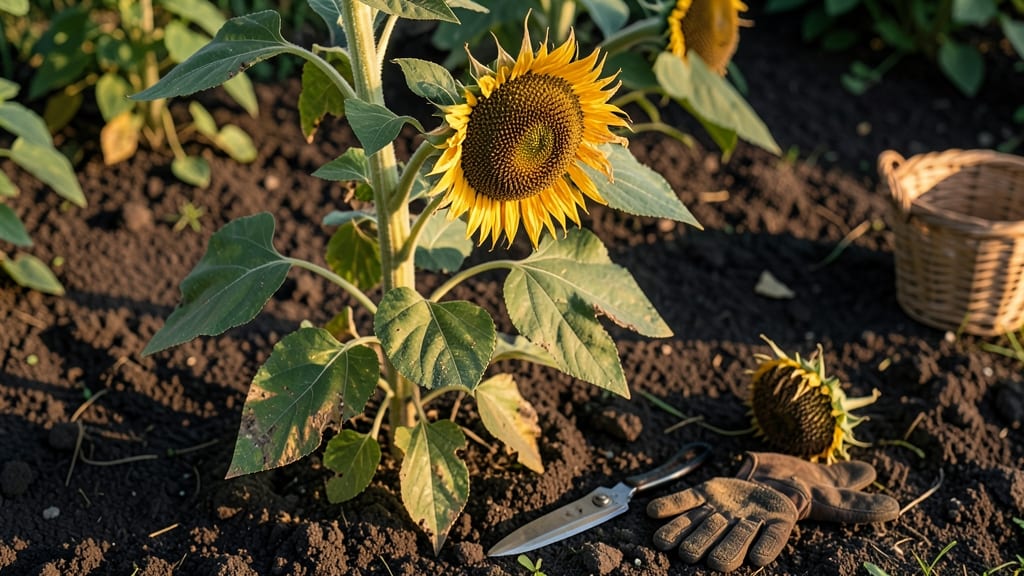
Harvesting sunflower heads at the right time ensures you get the most from your 🌻 plants—whether it's for seeds, bouquets, or even cooking.
Picture this: you've nurtured your sunflowers all season, and now you're staring at a field of towering blooms, wondering if they're ready to pick. The truth is, timing is everything—harvest too early, and you'll miss out on flavorful seeds or sturdy stems.
But harvest too late, and you might end up with brittle heads or wasted potential.
Most sunflowers reach harvest-ready maturity between 85 to 120 days after planting, but the exact moment depends on your climate and variety. In cooler regions like USDA Zone 6a, you might need to adjust your timeline slightly, especially if your growing season is shorter.
The key is to watch for visual cues like seed color changes and the classic stem snap test—a simple trick that tells you whether your sunflowers are perfectly ripe.
In this guide, I’ll walk you through the exact steps to determine when your sunflowers are ready, including how to perform the stem snap test, what to look for in seed color, and how to handle different varieties.
By the end, you’ll know exactly when to harvest sunflower heads for the best results, no matter where you live.
How to use the stem snap test for perfect sunflower ripeness
The stem snap test is my go-to method for determining when sunflower heads are ready for harvest. This simple technique helps you avoid harvesting too early (resulting in bitter seeds) or too late (when seeds scatter or birds feast on them).
The test focuses on the stem's resistance and the sound it makes when bent—both critical indicators of seed maturity.
Before performing the test, look for visual cues like dried petals and firm seed heads. The petals should be mostly brown and crumbly, while the back of the head should feel dry to the touch.
These signs confirm the seeds are nearing peak ripeness, making the snap test the final check.
Here’s how to perform the test correctly: hold the stem near the base with one hand and gently bend it downward with the other. A ripe sunflower stem will make a sharp, hollow snap—like breaking a dry twig—while still feeling slightly pliable.
If the stem bends without snapping or feels mushy, the seeds aren’t ready yet.
When to Perform the Stem Snap Test
- 1 Check petal condition: Wait until 80-90% of petals are dry and brown.
- 2 Test seed firmness: Press a seed head—it should feel hard and dry, not soft.
- 3 Perform snap test: Bend the stem—listen for a clean snap (not a crack or bend).
- 4 Harvest within 24 hours: If the test passes, harvest before seeds scatter or darken too much.
The sound of the snap is almost as important as the visual cues. A ripe stem produces a high-pitched, crisp snap, while an unripe stem either bends without breaking or makes a dull, wet sound.
I’ve found that testing stems in the early morning (when plants are hydrated) gives the most accurate results—avoid testing after rain or heavy watering, as stems may feel deceptively flexible.
Common mistakes include harvesting based solely on petal color (some varieties stay green longer) or ignoring seed firmness. Always cross-check the snap test with seed color—ripe seeds should be plump and transitioning from green to tan, not fully brown or shriveled.
Overripe seeds lose flavor and may crumble when shelled.
Ideal weather conditions for harvesting are dry and sunny, with temperatures above 60°F. Harvesting on cloudy days can lead to slower drying, increasing the risk of mold.
If you’re unsure, cut a few heads early and store them in a well-ventilated, dry place for 2-3 days to see if they’re ready.
For culinary use, harvest seeds when they’re firm but still slightly greenish—this ensures maximum flavor and crunch. If you’re saving seeds for planting, wait until they’re fully tan and dry, as this guarantees the highest germination rate.
Always use clean, sharp pruners to avoid damaging the stem or introducing disease.
Pro tip: Label your harvested heads with the variety name and harvest date if you’re growing multiple types. This helps track ripening times for future planting. Store heads in a cool, dark place with good airflow to prevent mold while seeds finish drying.
Mastering the stem snap test takes practice, but once you recognize the right sound and feel, you’ll never miss the perfect harvest window again. Happy harvesting—your sunflowers (and your taste buds) will thank you!
Sunflower head harvesting timeline: days to maturity by variety
Harvesting sunflower heads at the right time ensures you get nutrient-rich seeds and stunning dried blooms.
Different varieties mature at unique speeds, so knowing your sunflower type is key. Mammoth varieties like 'Russian Giant' take 100-120 days to reach maturity, while dwarf types like 'Teddy Bear' mature in just 50-60 days.
Even within the same variety, climate zones and planting times can shift ripening schedules by 2-4 weeks.
Northern gardeners in USDA Zones 3-5 often plant sunflowers 4-6 weeks later than Southern growers to avoid early frost damage. This delay can push back harvest times by 3-5 weeks, especially for late-season varieties.
For example, a Mammoth sunflower planted in late May in Zone 5 might not be ready until late September, while the same variety planted in Zone 9 could be harvested by early August.
| Variety | Days to Bud Formation | Days to Peak Bloom | Days to Seed Maturity | Height Range |
|---|---|---|---|---|
| Mammoth (e.g., 'Russian Giant') | 50-60 | 80-90 | 100-120 | 10-16 ft |
| Teddy Bear (Dwarf) | 30-40 | 50-60 | 55-70 | 1-3 ft |
| ProCut (Cut Flower) | 40-50 | 60-70 | 75-90 | 3-5 ft |
| Autumn Beauty | 45-55 | 70-80 | 90-100 | 4-6 ft |
| Moulin Rouge | 35-45 | 55-65 | 65-80 | 2-4 ft |
For cut-flower varieties like 'ProCut', timing matters differently. These sunflowers are often harvested just before full bloom for vase life, but if you're growing them for seeds, wait until the back of the petals turns yellow and the seed heads feel firm.
In hot climates, like Zone 10, sunflowers may mature 2-3 weeks faster than in cooler regions, so monitor seed color closely.
If you're growing sunflowers for birdseed or culinary use, aim to harvest when the seed heads are fully dry but before they shatter naturally. This usually happens 1-2 weeks after peak bloom.
For dwarf varieties, this window is shorter—often just 5-7 days—so stay vigilant. Giant varieties give you a longer grace period but may be more vulnerable to pests or frost.
Adjust your harvest timeline based on your local frost dates. In Zone 4, for example, you might need to rush harvesting Mammoth sunflowers by mid-September to avoid frost damage.
Meanwhile, in Zone 7, you could safely harvest until early November. Always have a backup plan like a greenhouse or indoor drying space for late-season varieties.
Pro tip: Mark your planting date and use a harvest calendar to track milestones. For Mammoth varieties, start checking for seed maturity around day 100, while dwarf types may be ready by day 60.
The stem snap test is your best friend—if the stem snaps cleanly with a slight crack, it's time to harvest!