
How To
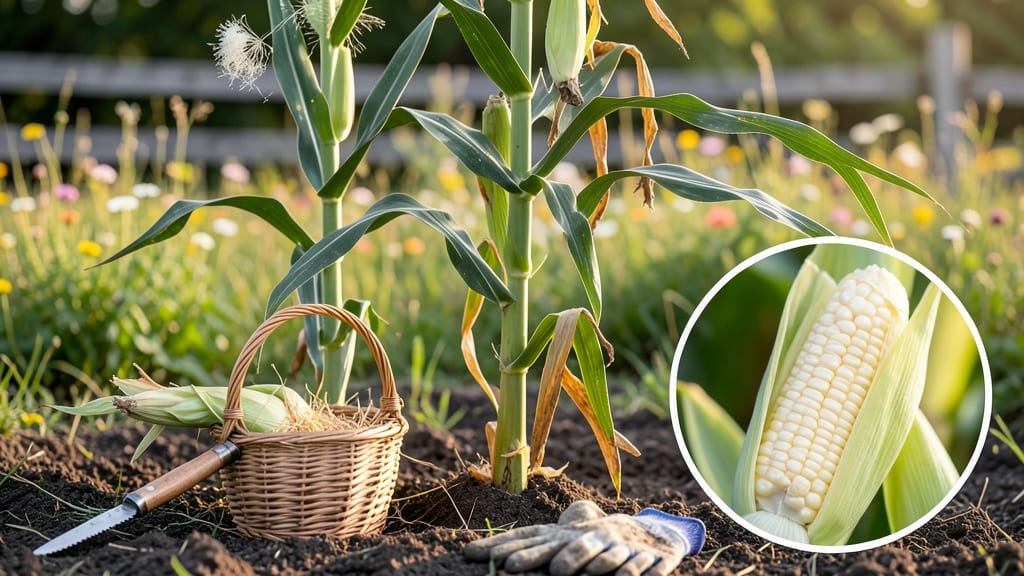
To harvest sweet corn 🌽 at its peak sweetness, watch for silks that turn brown and kernels that yield slightly when pressed—this window lasts just 2-3 days before the flavor fades.
There’s nothing worse than biting into sweet corn that’s past its prime—starchy, tough, and lacking that buttery sweetness you crave. Timing your harvest perfectly is the secret to enjoying corn at its peak, and the silky thread test is your golden ticket to success.
Most gardeners wait too long, assuming bigger ears mean better flavor, but the truth is that sweetness peaks when the kernels are still milky-white inside. Harvesting too early means underdeveloped kernels, while waiting too late turns them into tough, mealy bites.
In this guide, I’ll show you how to use the silky thread test, regional timing tips for USDA Zone 6a, and the best time of day to pick for maximum sweetness—so you never miss that perfect window again.
How to use the silky thread test for perfect sweet corn harvest timing
Sweet corn is one of those crops where timing truly makes all the difference between buttery sweetness and starchy disappointment. Unlike many vegetables, corn doesn’t ripen evenly, and guessing by days after planting can lead to missed opportunities.
The silky thread test is my go-to method for pinpointing the exact moment when kernels reach peak flavor—before they turn tough or mealy. This simple technique combines visual cues with tactile feedback to ensure you harvest at the sweetest stage.
Most gardeners rely on counting days after pollination, but this method fails to account for temperature fluctuations, soil moisture, or variety differences. The silky thread test cuts through the guesswork by focusing on three key indicators: silk dryness, ear firmness, and kernel development.
When these align, you’ve found your harvest window. Let’s break down the exact steps to master this technique, so you never miss another ear of perfectly sweet corn.
Step-by-Step Silky Thread Test for Sweet Corn
- 1 Check Silk Color: Gently peel back the husk to inspect the silks. Ready-to-harvest silks are completely brown and crispy to the touch. If they’re still green or damp, the ear needs more time.
- 2 Test Ear Firmness: Squeeze the ear gently near the tip. It should feel firm but slightly yielding, like a ripe avocado. If it’s too soft or mushy, it’s overripe; if it’s rock-hard, it’s not ready.
- 3 Inspect Kernel Development: Cut open one kernel with your fingernail. The milky white liquid inside is your sweetness indicator. If it’s clear or yellowish, the ear is past its prime.
- 4 Verify Husk Separation: The husk should pull back easily from the ear, revealing tightly packed kernels. If it resists or the kernels are loose, wait another day or two.
- 5 Harvest in the Morning: Once all signs align, harvest within 24 hours, preferably in the early morning when sugars are at their peak. Use a sharp knife to cut the stalk about 1 inch below the ear.
The silky thread test works because it accounts for real-time plant conditions rather than relying on a rigid timeline. For example, a hot summer can accelerate kernel development, while cool weather may slow it down.
By focusing on these visual and tactile cues, you adapt to your garden’s unique environment. Pro tip: Test a few ears daily during the harvest window—sweetness can vary even within the same plant.
Another common mistake is assuming all corn varieties ripen at the same rate. Sugar-enhanced varieties like 'Ambrosia' or 'Silver Queen' mature faster than standard types, often by 5-7 days. Always check the seed packet for days to maturity and adjust your silky thread test accordingly.
For instance, if the packet says 70 days but your silks aren’t brown at day 68, wait a few more days—don’t rush it!
Harvesting at the right time also extends your corn’s post-harvest shelf life. Ears picked at peak ripeness stay fresher longer, whether you’re boiling them immediately, grilling on the cob, or freezing for later.
I’ve found that corn harvested using the silky thread test holds its sweetness for 3-5 days in the fridge compared to just 1-2 days for overripe or underripe ears. This method truly pays off in both flavor and convenience.
If you’re growing corn in warmer climates (USDA zones 8-10), the silky thread test becomes even more critical. Heat can cause kernels to convert sugars to starches faster, so don’t wait until the silks are completely dry—harvest when they’re mostly brown but still slightly damp.
In cooler regions (zones 3-6), you might need to wait until the silks are fully crispy before the kernels reach their sweetest stage.
For those new to the silky thread test, start by marking a few ears with flagging tape the day the silks first turn brown. Check them daily until all three indicators (silk dryness, ear firmness, kernel liquid) align.
This hands-on approach builds confidence quickly. Over time, you’ll recognize the ideal harvest window just by looking at the plant. Remember, the goal isn’t perfection—it’s consistently delicious corn that rivals store-bought (and tastes better!).
Once you’ve mastered the silky thread test, you’ll never second-guess your harvest timing again. The key is patience—waiting an extra day for perfect sweetness beats ending up with tough, starchy kernels any day.
And when you finally take that first bite into a perfectly ripe ear, you’ll understand why this simple test is worth the wait. Happy harvesting!
Sweet corn harvesting mistakes that ruin flavor (and how to avoid them)
Harvesting sweet corn at the wrong time can turn your homegrown bounty into a disappointing, starchy mess. The biggest mistake is assuming all ears ripen at once—even plants from the same batch can vary by 3-5 days.
I’ve learned the hard way that overripe corn loses sweetness fast, while underripe kernels stay tough and bland.
Environmental factors like high heat or low humidity accelerate starchy conversion, making timing even trickier. For example, corn grown in USDA Zone 9 may need harvesting 5-7 days earlier than in cooler climates. Always check for these visual cues before pulling ears.
🌽 Harvest Timing Pros & Cons
- Silks turn brown & crispy (not green)
- Kernels are milky-white when cut
- Ears feel firm but yield to gentle squeeze
- Husk pulls back easily without force
- Silks are still green & moist
- Kernels are hard or chalky
- Ears feel soft or mushy
- Husk resists pulling back
Pro Tip: Test kernels by cutting one open—if the milky juice is clear, harvest immediately. If it’s watery or yellowish, wait 1-2 days.
Harvesting too early results in underdeveloped kernels that lack sweetness, while waiting too long turns sugars into starches. I once left corn in the field 3 days past prime—the difference in flavor was night-and-day. Always harvest in the morning when sugars are highest.
Heat waves can trick you into thinking corn is ready when it’s not. During 90°F+ days, sugars convert to starches 24-48 hours faster. If your area is experiencing extreme heat, harvest earlier than usual and check kernels more frequently. Shade cloth can help maintain sweetness during hot spells.
Humidity also plays a role—high moisture levels can make husks stay green longer, masking true ripeness. In humid climates, focus on the kernel test rather than silk color. If you’re unsure, harvest a few ears early to test their flavor before committing to the whole patch.
Remember, sweet corn’s peak sweetness window is narrow—often just 2-3 days. Once harvested, store ears in the fridge for 3-5 days or cook immediately. For long-term storage, freeze ears whole or blanch and shock kernels to preserve that fresh-picked flavor you worked so hard to achieve.