
How To
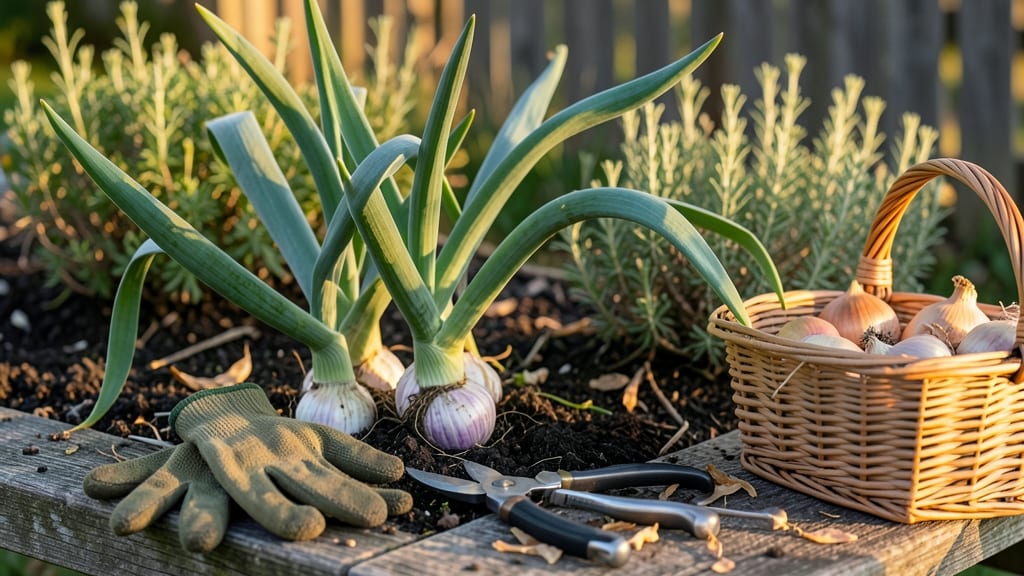
Harvest sweet onions 🧅 when the tops yellow and fall over, signaling peak flavor and tenderness.
Sweet onions are a gardener’s treasure—but harvest them too early, and they’ll be bitter; too late, and they’ll bolt or split. Timing is everything, and these visual cues will help you pick the perfect moment for peak flavor and texture.
Most varieties reach harvest readiness around July to August in zone 6a, but the real test is the bulb’s size and skin. Aim for bulbs about 1-2 inches in diameter with a tight, papery neck—this is when they’re sweetest.
Below, I’ll walk you through the three foolproof signs to know when your onions are ready, plus how to handle them after harvest to keep them fresh all season.
3 Visual cues to know when sweet onions are ready to harvest
Sweet onions are one of summer’s sweetest rewards, but timing their harvest is an art. Miss the window, and you’ll end up with bitter bulbs or bolting tops.
The key lies in three visual cues that signal peak maturity—each one a green light for harvesting. I’ve grown sweet onions for years, and these signs never fail me.
First, let’s talk about the leaf color change. Sweet onions start with vibrant green tops, but as they mature, the outer leaves yellow and flop over. This isn’t just wilting—it’s nature’s way of saying, “I’m ready.”
If you see 50% of the tops yellowing, that’s your first clue to check for the next two signs.
Here’s where things get exciting: these numbered visual cues will transform your harvesting confidence. Let’s dive in.
When 50-70% of tops yellow and fall over, bulbs are nearing peak sweetness. Ignore this, and you risk bolting or split bulbs.
Dig up a test bulb—if it’s golf-ball sized (1-2"), it’s prime. Smaller bulbs taste sharp and pungent; larger ones may split or rot.
The stem above the bulb should shrink and dry into a tight neck. This signals full maturity—perfect for storage or immediate use.
Now, let’s tackle the bulb size, because this is where many gardeners trip up. A 1-2 inch diameter is ideal for sweet onions like Texas Super Sweet or Candy varieties. To test, gently dig around one bulb—if it’s smaller than a ping-pong ball, wait a week or two.
Larger bulbs (over 2.5") often split when pulled, so harvest them before they overgrow.
Don’t overlook the neck thickness, either. The stem above the bulb should tighten into a papery, dry collar. This isn’t just a visual trick—it’s a textural cue.
Run your thumb over the neck: if it feels rough and crisp, the bulb is ready. If it’s still green and flexible, hold off for another week.
One common mistake I see is waiting until the entire plant collapses. By then, the bulbs are often overripe and prone to rot. Instead, act when you see two out of three cues—yellow tops, proper size, and a tight neck.
This 3-cue rule has saved my harvests more times than I can count.
Pro tip: Harvest in dry weather. Wet soil makes bulbs slippery and prone to damage. Use a fork to loosen the soil around the bulb, then grasp the base of the plant and give a firm tug.
The bulb should pop free easily—if it resists, it’s not ready yet.
Once harvested, cure your onions for 3-5 days in a dry, shady spot. This hardens the skin and extends storage life. Skip this step, and you’ll end up with soggy, moldy onions in no time.
Sweet onions are a rewarding crop when you nail the timing. Master these three visual cues, and you’ll enjoy peak flavor and texture every harvest season. Happy digging!
How to test sweet onion maturity: the finger-press method
When your sweet onions reach the right size but you're unsure if they're fully mature, the finger-press method is my go-to trick. This simple test tells you whether your onions are ready to harvest or need more time in the soil.
The key is checking the bulb firmness and neck thickness—two signs that often go overlooked.
Start by selecting a few onions from your garden bed. Gently grasp one bulb near the base where the neck meets the soil. Apply light pressure with your thumb—if the bulb feels firm but slightly yielding, it's likely mature.
If it feels rock-hard, it may still need time, while a mushy bulb signals overmaturity or rot.
Here's the secret: mature sweet onions should have a tight neck that's about 1 inch in diameter. When you press, the bulb should resist slightly but not feel brittle. This test works best in the late afternoon when soil is warmest, giving you the most accurate reading.
⚠️ Pro Tip for Perfect Timing
Test onions when tops yellow and bulbs reach golf-ball size. Press near the neck—if it gives slightly, harvest within 2-3 days. For storage onions, wait until tops fully brown before pulling.
What if your onions fail the finger-press test? Don't panic—this method isn't foolproof. If bulbs feel too soft, they may have rotten cores from overwatering. Dig carefully and inspect the center. Healthy but underripe onions can be harvested early for green onions, though flavor will be milder.
For onions that pass the test but have loose necks, they're ready for immediate use. Cure them in a dry, shady spot for 1-2 weeks to develop sweetness.
Store in a mesh bag with good airflow to prevent spoilage. This method saves me from guessing—once I mastered it, my onion harvests went from hit-or-miss to consistently perfect.
Remember: sweet onions are day-length sensitive. If you're in a long-day region, they'll mature faster than in short-day areas. Always test a few bulbs from different plants to account for variability in your garden. With practice, you'll develop an instinct for when they're just right.
🌱