
Trees
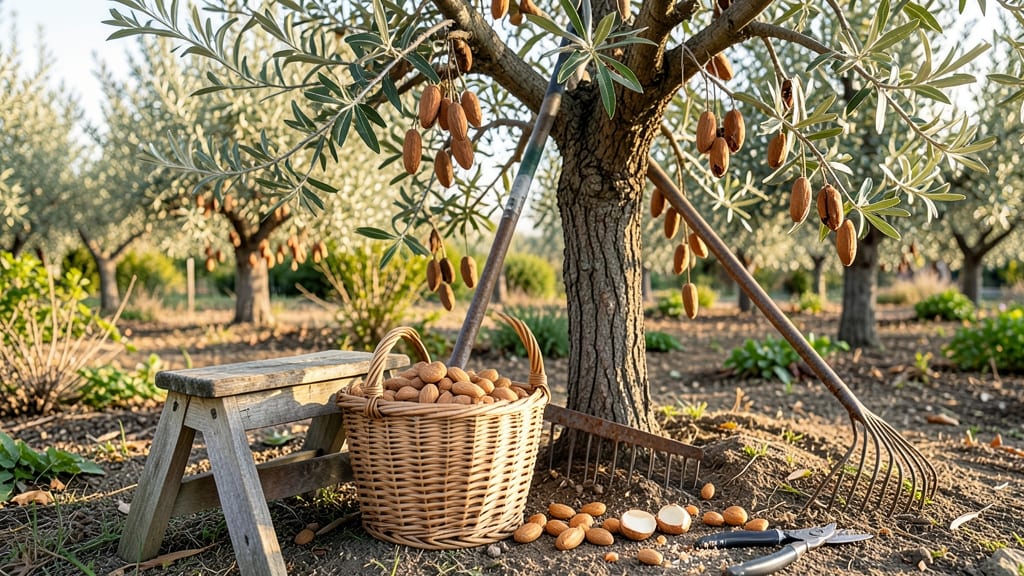
Harvesting almonds at the right time means catching pods when they crack open—before squirrels or rain ruin your crop. 🌰
Picture this: you’ve waited years for your almond tree to bear fruit, only to blink and miss the 3-4 week window when hulls split just enough to release the nuts.
One week too early, and they’re still rock-hard inside; one week late, and you’re left with moldy shells on the ground.
In USDA Zone 6, that perfect moment usually falls between late August and early September, but climate, variety, and even last year’s rainfall can shift it by weeks. The key is learning your tree’s signals—like brown hulls, a rattle when you shake the branches, or nuts dropping naturally.
Below, I’ll walk you through the exact steps to spot ripeness, collect almonds efficiently, and store them properly so they stay fresh for months. No more guesswork, no more wasted harvests.

When do almond pods crack: key weather & tree signals
Almond pods crack open when the tree signals they're finally ready to release their precious nuts—but catching this moment requires understanding three key triggers: temperature shifts, humidity levels, and the tree's natural maturity cycle.
Miss this window, and you risk losing your crop to wildlife or spoilage. The good news? Your almond tree provides clear visual cues if you know what to watch for.
First, pay attention to the hull color. When pods transition from green to tan or light brown, that’s your first sign. This change usually happens in late summer (August-September) in most USDA zones, but exact timing depends on your local climate.
In cooler regions like Zone 6, pods may take longer to mature compared to warmer areas like Zone 8.
The tap test is my favorite trick for confirming readiness. Gently shake a branch—if you hear a rattling sound inside the pods, the nuts are loose and ready.
This happens because the inner shell shrinks slightly as moisture levels drop, creating space between the nut and hull. If the pods feel hollow when tapped, harvest soon!
Humidity plays a surprising role too. High humidity can delay cracking by keeping hulls sticky and intact, while dry, warm conditions speed up the process. In areas with low rainfall in late summer, pods may crack 2-3 weeks earlier than in humid climates.
Keep an eye on your local 5-day forecast—a stretch of dry, sunny days often triggers the final cracking phase.
| Signal | Description | Action | Best Time |
|---|---|---|---|
| Hull Color | Green → Tan/Brown | Monitor daily | Late August-Sept |
| Tap Test | Rattling sound inside pod | Harvest within 3-5 days | Morning (cooler temps) |
| Leaf Drop | Yellowing leaves | Check pods immediately | Early fall |
| Natural Drop | Pods fall to ground | Collect daily | Peak harvest week |
| Temperature | 75°F+ for 3+ days | Accelerates cracking | Late summer heatwaves |
Don’t ignore the leaf patterns either. As pods mature, your almond tree often begins dropping leaves—a sign it’s redirecting energy to the nuts. If you see yellowing or curling leaves in late summer, check the pods immediately.
This is nature’s way of saying, "Time’s up!" In my Zone 6 garden, I’ve seen trees drop 30-50% of their leaves just before peak harvest.
Tree maturity matters too. Young almond trees (3-5 years old) may produce pods that never fully crack—even when ripe. These trees need additional warmth to trigger the cracking process.
If you’re growing a young tree, consider using black plastic mulch around the base to absorb heat and encourage pod opening.
One mistake I made early on was waiting for 100% of pods to crack before harvesting. By then, squirrels and birds had already claimed half my crop! Instead, harvest when 50-70% of pods show signs of cracking.
The remaining pods will finish opening on the ground, where you can collect them later. Spread a tarpaulin underneath trees to minimize losses to wildlife.
Finally, watch for early morning dew on cracked pods—a classic sign of readiness. Dew indicates high humidity overnight, which helps soften the hulls just enough for easy opening. If you see dew on brown, cracked pods, that’s your cue to start harvesting within 24-48 hours before mold sets in.
Pro tip: Keep a harvest journal to track pod cracking patterns in your specific climate. Note the exact dates when pods change color, the tap test works, and when leaves start falling.
Over time, you’ll predict your almond tree’s harvest window with near-perfect accuracy, ensuring you never miss another season!
3-Step almond harvest guide: from ground to storage
Once your almond pods crack open and nuts rattle inside, you’ve got a 48-hour window to harvest before pests or rain ruin your crop. For small-scale orchards, this means acting fast—but also carefully—to preserve quality. Whether you’re hand-picking or using tools, the right method prevents damage and maximizes your yield.
I’ve harvested from my dwarf almond tree for years, and the difference between a rushed job and a methodical one is night and day. Mechanical methods save time, but hand-picking ensures you don’t miss the best nuts.
After collection, proper drying techniques and storage conditions keep your harvest fresh for months. Let’s break it down step by step.
Collect Almonds: Hand-Picking vs. Mechanical
Hand-picking: Use gloves and a bucket to gently twist pods from branches. Focus on mature nuts—those with brown, cracked hulls. For taller trees, a pruning saw can help detach clusters.
Mechanical methods: Spread a tarpaulin beneath the tree, then shake branches vigorously. Repeat every 2-3 days until most pods fall. Avoid damaging branches with heavy tools.
Dry Almonds Properly: Sun vs. Indoor Methods
Outdoor drying: Lay pods in a single layer on a screened tray under direct sunlight for 3-5 days. Stir daily to prevent mold. Ideal temps: 70-80°F with low humidity.
Indoor drying: Use a dehumidifier or fan to circulate air. Spread pods on paper towels in a warm, dry space (e.g., garage) for 5-7 days. Check for moisture—nuts should feel dry and rattle when shaken.
Store Almonds Safely: Prevent Mold & Pests
Short-term (weeks): Keep nuts in a mesh bag or paper bag in a cool, dark place (e.g., pantry). Avoid plastic—it traps moisture.
Long-term (months): Shell nuts and store in an airtight container with food-grade silica packets. Refrigerate for up to 6 months or freeze for 1 year. Label with the harvest date!
After harvesting my first crop, I learned the hard way that rushing the drying process leads to moldy nuts. Now, I prioritize patience—especially in humid climates. Even a slight delay can turn a great harvest into a loss.
For extra protection, add a bay leaf or two to your storage container; it naturally deters pests like weevils.
Pro tip: If you’re unsure whether your nuts are fully dry, place a few in a sealed jar overnight. Condensation on the lid means they need more time. Undried nuts will spoil quickly, so don’t skip this test!
With these steps, your almond harvest will stay fresh and ready for roasting, planting, or snacking.
🌰