
Trees
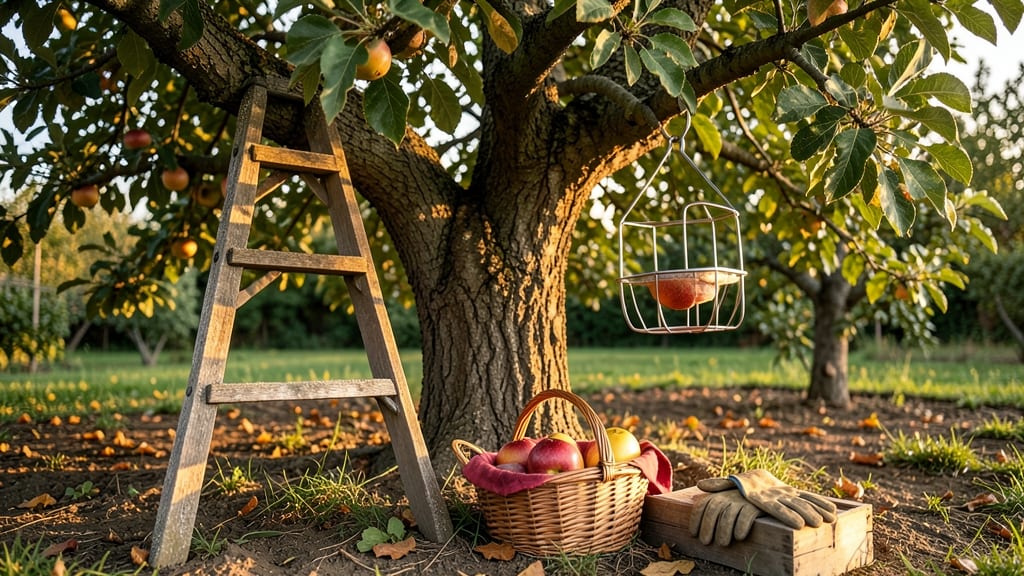
Harvesting apples at the right apple tree harvest time ensures you get the sweetest, crispest 🍎 flavor and the longest storage life—but timing is everything, and many gardeners miss the window.
Picking too early means mealy, bland fruit; waiting too long risks rot or pests. The key lies in watching for color shifts, stem separation, and firmness—signs that vary by variety and climate.
In USDA Zone 6a, most apples ripen between late August and October, but regional differences matter. A Honeycrisp might be ready in September, while a Granny Smith could wait until October.
Below, I’ll walk you through how to check for ripeness, avoid common mistakes, and store your harvest for months—so you never waste another season’s bounty.

How to determine the perfect apple tree harvest time by variety and climate
Timing your apple harvest correctly ensures peak flavor, texture, and storage potential. Unlike many fruits, apples don't ripen further after picking, so knowing the exact moment is crucial.
The right time depends on your apple variety, climate zone, and regional growing conditions—all of which can shift harvest windows by weeks.
For example, Fuji apples typically mature in late September, while Granny Smiths may not reach peak ripeness until October. Even within the same variety, cooler climates often delay ripening by 2-3 weeks compared to warmer regions.
Understanding these nuances prevents you from harvesting too early (mealy texture) or too late (rotting risk).
| Variety | Color Indicator | Harvest Window (USDA Zone 6) | Climate Adjustments |
|---|---|---|---|
| Fuji | Deep red blush | Late September | Warmer zones: 2 weeks earlier |
| Granny Smith | Bright green | October | Cooler zones: 1-2 weeks later |
| Honeycrisp | Golden-yellow with red stripes | Mid-September | High humidity: Check firmness daily |
| McIntosh | Striped red | Early September | Drought stress: Harvest earlier |
| Gala | Orange-red | Late August | Heatwaves: Monitor for sunburn |
Beyond variety, pay attention to the stem separation test—the most reliable indicator. A ripe apple should detach cleanly when twisted (not pulled). If the stem resists or tears, wait 3-5 days. For storage varieties like Granny Smith, harvest slightly firmer than eating apples to maximize shelf life.
Temperature plays a surprising role. In hot climates (Zones 8-10), apples may ripen 3-4 weeks earlier than in cool mountain regions (Zones 3-5). For example, a Honeycrisp in California might be ready in early September, while the same variety in Maine peaks in late September.
Always adjust your timeline based on your last frost date—apples need full maturity before cold weather arrives.
Never rely solely on color—some varieties like Arkansas Black stay green even when ripe. Instead, combine color, firmness, and stem tests with your local harvest calendar.
For instance, USDA Zone 7 gardeners should aim for late September to early October, while Zone 4 harvests often extend into November due to cooler summers.
Pro tip: Taste-test a few apples from different branches. If flavor peaks but texture feels slightly soft, those are your eating apples. For long-term storage, wait until firmness returns slightly—this often happens 1-2 weeks after peak eating ripeness.
Store these in a cool, dark place (30-40°F) to extend freshness for months.
Watch for pests and weather warnings too. Heavy rains before harvest can dilute flavor, while late-season pests may damage fruit. If your area experiences unseasonable heat, apples may mature faster—check weekly starting in August. Conversely, cool, wet summers can delay ripening by 3+ weeks, so stay patient.
For container-grown apple trees, harvest times may shift slightly due to limited root zones and microclimate effects. These trees often ripen 10-14 days earlier than in-ground varieties. Always monitor your potted tree's progress closely, as container stress can accelerate maturation.
Remember: No single factor determines harvest time. Combine variety-specific cues, climate data, and physical tests for the best results. When in doubt, err on the side of waiting—underripe apples won't improve after picking, but slightly overripe ones can often be saved for cooking or cider.
5 Common mistakes that ruin apple harvest quality (and how to avoid them)
Harvesting apples at the wrong time can turn your homegrown bounty into a disappointing, mealy mess. Even experienced gardeners sometimes miss subtle clues that signal an apple is perfectly ripe or already overripe.
The key lies in understanding variety-specific cues and avoiding these five critical mistakes that compromise flavor, texture, and storage potential.
One of the biggest errors is picking apples too early just because they look colorful enough. Many varieties, like Granny Smith, stay green well past their prime, while others, such as Honeycrisp, develop a rich blush only when fully ripe.
Rushing the harvest often results in underdeveloped sugars and a watery texture that no amount of storage can fix.
Another frequent oversight is ignoring the stem test, a foolproof way to gauge ripeness. A ripe apple’s stem should snap cleanly when you gently twist it—no resistance, no tearing.
If the stem pulls away with the fruit, it’s not ready. Skipping this step means risking premature detachment or harvesting apples that won’t ripen further off the tree.
⚠️ Harvest Time Danger Zone
Mistake: Harvesting apples in hot afternoons or after rain can damage fruit and attract pests. Best time: Cool mornings when temperatures are below 75°F and apples are firm and dry.
Why it matters: Heat stress and high humidity speed up ethylene production, causing apples to overripen faster and develop soft spots.
Overlooking storage potential is another mistake that leads to wasted harvests. Not all apples store equally—storage varieties like Fuji or Gala can last 3-6 months in a cool, humid environment, while fresh-eating varieties like McIntosh spoil within weeks.
If you’re not planning to eat your harvest immediately, choose storage-friendly varieties and prepare for post-harvest care.
Missing signs of overripeness can also ruin your harvest. Overripe apples develop a soft, doughy texture, wrinkled skin, and a fermented scent. They’re often too sweet or even sour, and their storage life shrinks dramatically.
To avoid this, harvest a few days before you think they’re ready—apples continue ripening off the tree at room temperature.
Finally, poor handling post-harvest can turn a great harvest into a loss. Apples bruise easily, and rough handling creates entry points for rot. Always use soft harvest containers, like mesh bags or padded baskets, and avoid stacking apples in direct sunlight.
Once harvested, cool them quickly to 32-40°F to slow respiration and extend shelf life.
By avoiding these five common mistakes, you’ll ensure your apple harvest stays crisp, flavorful, and long-lasting. Pay attention to variety-specific cues, time your harvest strategically, and handle your apples with care—your future apple pies and snacks will thank you! 🍏🌳