
Picking
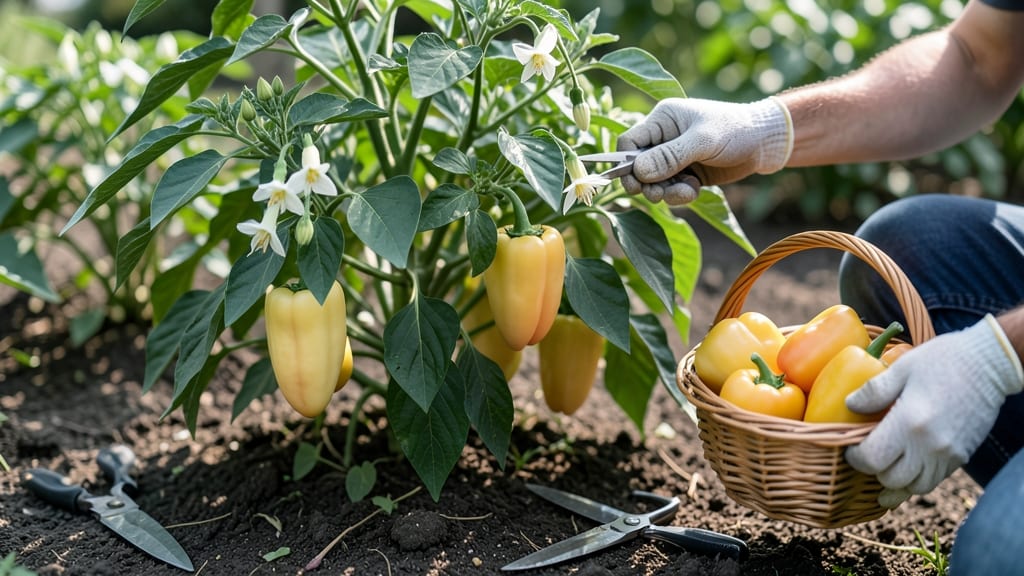
Harvesting banana peppers at the right time means the difference between mild, crunchy pods and bland, shriveled ones 🌶️ — and the key is knowing when they’re truly ready.
Picture this: you’ve nurtured your banana peppers all season, and now they’re turning bright yellow or orange. But are they really ripe? Or will you pick them too early and miss that perfect balance of sweetness and heat?
The answer lies in understanding the exact banana pepper harvest time, which isn’t just about days after transplanting—it’s about color, size, and even the weather.
Most banana peppers reach peak flavor between 75 and 100 days after planting, but heat waves or cool snaps can speed up or slow down ripening.
Below, I’ll break down the visual cues—like firmness, glossy skin, and the right length—that tell you it’s time to harvest, plus how to extend your harvest window for a longer season.
You’ll also learn how to store your peppers to keep that fresh crunch and heat, whether you’re pickling them, grilling them, or freezing them for later. No more wasted peppers—just a steady supply of the best-tasting ones all season long.
Banana pepper harvest time: when to pick for peak flavor & heat
Timing your banana pepper harvest is everything—pick too early, and you’ll miss that perfect balance of sweetness and heat. Harvest too late, and the peppers lose their crunch and vibrant color.
Most varieties reach maturity between 75–100 days after transplanting, but climate and variety play a huge role in when your peppers are truly ready.
Understanding the maturity stages of banana peppers is key. They start as small, green peppers and gradually transition to yellow, orange, or red as they ripen. The color shift isn’t just for show—it signals when the heat levels peak and the flavor deepens.
But don’t wait too long, or you’ll risk overripe, soft peppers that lose their snap.
Here’s the critical breakdown of what to watch for to nail your banana pepper harvest time:
| Maturity Stage | Days After Transplant | Size | Color | Wall Thickness | Firmness | Harvest Ready? |
|---|---|---|---|---|---|---|
| Early Green | 60–70 | 1–1.5 inches | Bright green | Thin | Soft | ❌ No |
| Mid-Green | 70–80 | 1.5–2 inches | Green with gloss | Medium | Firm | ⚠️ Optional (milder) |
| Peak Ripeness | 75–100 | 2–3 inches | Yellow/Orange/Red | Thick | Very firm | ✅ Yes |
| Overripe | 100+ | 3+ inches | Dull, wrinkled | Thin | Soft | ❌ No |
Climate plays a surprising role in your banana pepper harvest time. In hot, dry climates, peppers ripen faster—sometimes in as few as 60–70 days. But in cooler regions, like USDA Zone 5 or 6, they may take 90–100 days to reach peak ripeness.
If your summer is short, opt for early-maturing varieties like 'Golden Banana' or 'Apache' to ensure a harvest before frost.
One of the best ways to test ripeness is the stem snap test. Gently bend a pepper at its stem—if it snaps cleanly, it’s ready to pick. If the stem resists or tears, it’s not quite there yet.
This method works best in the morning after dew has dried, when peppers are at their firmest. Pro tip: Harvest in the cool hours to preserve texture and flavor.
Don’t overlook the wall thickness when checking ripeness. A perfectly ripe banana pepper should have a thick, crisp wall—almost like a mini bell pepper.
How to harvest banana peppers without damaging the plant
Harvesting banana peppers at the right banana pepper harvest time ensures maximum flavor and heat while keeping your plant healthy. The key is to use gentle techniques that protect the plant’s energy for future production.
I’ve learned the hard way—over-picking or using dull tools can stress plants, reducing next year’s yield. Let’s break down the best methods to harvest without harm.
First, wait until peppers reach 2-3 inches long and turn from green to their mature color—yellow, orange, or red. This usually happens 75-90 days after transplanting, depending on your climate.
If you harvest too early, you’ll sacrifice sweetness and crunch. But if you wait too long, peppers may become tough or overly soft.
Step-by-Step Harvesting Guide
-
Step 1: Choose the Right Tools
Use clean, sharp pruning shears or a knife to avoid tearing the plant. Sterilize tools with rubbing alcohol to prevent disease. -
Step 2: Pick at the Right Angle
Hold the pepper firmly and twist gently until it separates cleanly from the stem. Avoid cutting too close to the main stem to prevent damage. -
Step 3: Harvest in the Morning
Pick peppers early in the day when they’re cool and firm. This preserves flavor and reduces stress on the plant. -
Step 4: Leave Some Peppers on the Plant
Don’t harvest all peppers at once. Leave 20-30% unharvested to encourage the plant to produce more fruit. -
Step 5: Store Properly
Keep peppers in a paper bag in the fridge for up to 2 weeks. For long-term storage, freeze or pickle them.
One common mistake I see is over-picking peppers, which can exhaust the plant. If you harvest too aggressively, the plant may stop producing. Instead, focus on regular, light harvesting to balance yield and plant health. Also, avoid harvesting when peppers are wet—this can spread fungal diseases.
To extend your harvest season, try succession planting. Start a new batch of banana peppers every 2-3 weeks after the first frost date. This ensures a steady supply of fresh peppers from summer through early fall. Just be sure to harden off seedlings properly before transplanting.
After harvesting, give your plant a little post-harvest care. Water deeply to replenish moisture, and add a balanced fertilizer (like 10-10-10) to support regrowth. Mulch around the base to retain soil moisture and keep weeds at bay.
With the right care, your banana pepper plant can keep producing well into the fall.
Remember, the goal is to harvest without harming. A little patience and the right techniques will reward you with a bountiful, flavorful harvest all season long. Happy gardening! 🌶️