
Picking
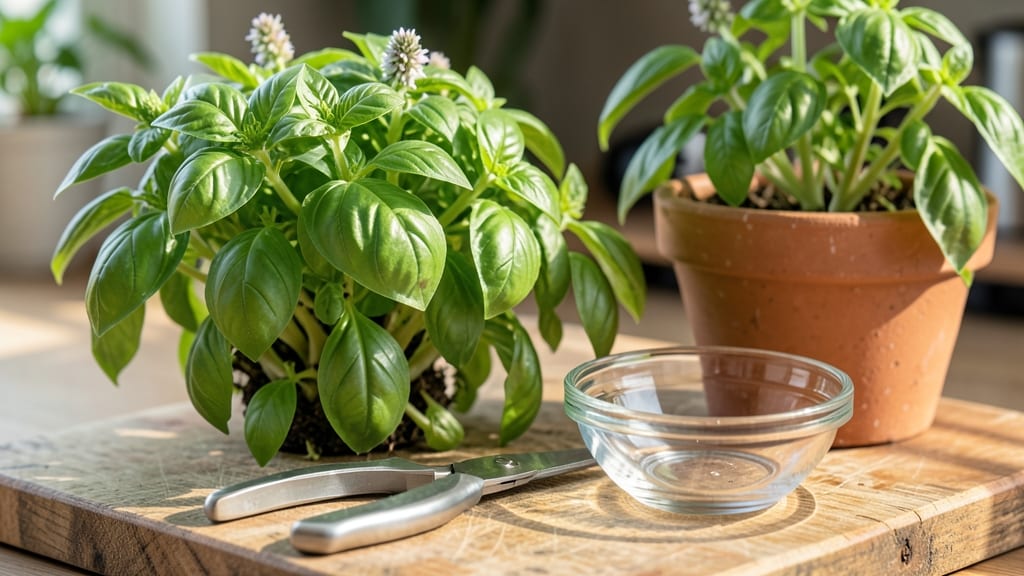
Harvesting basil at the right time is the secret to sweet, vibrant leaves that transform your dishes from good to unforgettable 🌿 — and missing this window turns your herb into bitter disappointment.
Picture this: you’ve nurtured your basil all spring, and now the leaves are lush but taste like soap. That’s not just bad luck—it’s a timing issue.
The difference between perfect flavor and disappointment comes down to when you snip those leaves, how often you do it, and what the plant is telling you with its growth.
You’ll learn the exact signs to watch for—like firm stems and aromatic leaves—and how to time your harvests for maximum yield without stressing the plant. Whether you’re growing basil in pots or garden beds, these tips will keep your herb garden productive from June through September.
Ready to turn your basil into a flavor powerhouse? I’ll walk you through the ideal harvest window, step-by-step techniques, and how to avoid the common mistakes that ruin flavor. Let’s get started.

When to harvest basil for maximum flavor and growth
Timing your basil harvest correctly is the secret to sweet, aromatic leaves instead of bitter disappointment. Most gardeners wait too long, letting their plants flower and develop harsh flavors.
The best time to harvest basil is when the plant reaches 6-8 inches tall and has 4-6 pairs of true leaves—this usually happens 45-60 days after planting in ideal conditions.
Harvesting at this stage encourages bushier growth while maintaining peak flavor. If you wait until the plant flowers, the leaves will become bitter and woody, ruining their culinary potential.
For outdoor basil, this typically falls between late spring and early summer, while indoor basil may be ready slightly earlier due to controlled environments.
🌿
| Stage | Plant Height | Leaf Development | Harvest Time | Seasonal Window |
|---|---|---|---|---|
| Early Growth | 2-4 inches | Small, sparse leaves | Not ready | Spring |
| Optimal Harvest | 6-8 inches | 4-6 pairs of leaves | Morning (peak flavor) | Late spring-early summer |
| Late Season | 10+ inches | Flower buds appear | Stop harvesting | Late summer |
| Indoor Basil | 4-6 inches | Fully developed leaves | Year-round (if grown properly) | All seasons |
For maximum flavor, always harvest basil leaves in the morning after the dew has evaporated but before the sun becomes too intense. This is when the essential oils that give basil its signature aroma are at their peak.
Use clean, sharp scissors or your fingers to pinch off leaves just above a leaf node—this encourages new growth from that point.
If you're growing Genovese basil or other varieties for cooking, aim to harvest before flowering. Once basil flowers appear, the plant redirects energy toward seed production, and the leaves become bitter and less aromatic.
For outdoor plants, this usually happens in late summer, so plan to harvest heavily in June and July to avoid this issue.
One common mistake is harvesting too much at once. Never take more than one-third of the plant in a single session. Over-harvesting stresses the plant and can lead to stunted growth or even death.
Instead, practice regular, light harvesting every 2-3 weeks to maintain a compact, bushy plant with plenty of tender leaves.
For indoor basil, the harvest window is more flexible since you control the environment. You can harvest year-round as long as the plant receives 6+ hours of sunlight daily and is kept in well-draining soil.
However, even indoor basil will eventually flower if not harvested properly, so stay vigilant about removing flower buds as soon as they appear.
Seasonal timing also matters. In USDA Zone 6a, outdoor basil typically reaches harvest readiness by late May or early June, depending on when you planted. If you started seeds indoors in March, you’ll have a head start.
For container-grown basil, the timeline is similar, but you may need to harvest slightly earlier due to limited root space.
Pro tip: If your basil starts to taste bitter, it’s a sign you’ve waited too long. In this case, prune back the plant by cutting just above a leaf node to encourage new, tender growth.
Avoid harvesting from stressed plants, as this can further reduce flavor quality. With the right harvest timing, your basil will stay sweet and productive all season long.
🌱
Step-by-step leaf harvesting techniques to avoid bitterness
Harvesting basil correctly is the secret to avoiding that dreaded bitter taste while encouraging your plant to grow fuller and more productive. The key lies in timing, technique, and tool selection. By following these proven methods, you’ll keep your basil sweet and thriving all season long.
Start harvesting when your basil reaches 6-8 inches tall and has at least 6-8 true leaves. This is the perfect stage to begin cutting without stressing the plant. Using the wrong tools or cutting too aggressively can trigger bitterness, so let’s dive into the right way to do it.
-
Step 1: Choose the Right Tools
Use sharp pruning shears or a clean kitchen knife. Dull blades crush stems, causing bitterness. -
Step 2: Harvest in the Morning
Pick leaves early in the day when oils are most concentrated. Avoid harvesting after 10 AM. -
Step 3: Cut from the Top or Sides
For bushier growth, snip the top set of leaves just above a leaf node. For individual leaves, pinch off from the lower stem first. -
Step 4: Never Take More Than 1/3
Remove only 30% of the plant at a time to avoid shocking it. Over-harvesting leads to stress and bitterness. -
Step 5: Stop Before Flowers Form
Once flower buds appear, stop harvesting. Flowering signals the plant to focus on reproduction, reducing flavor quality. -
Step 6: Prune for Regrowth
After harvest, trim any yellow or damaged leaves to redirect energy to new growth.
If you’re growing basil in containers, rotate the pot every few weeks to ensure even sunlight exposure. This prevents lopsided growth and helps maintain a consistent harvest quality. Avoid cutting leaves that are near the base or overly woody—they’ll taste harsh.
As temperatures drop in late summer or early fall, basil’s growth slows. This is your cue to reduce harvesting frequency. Stop completely once frost threatens or the plant shows signs of dormancy. With proper care, your basil will reward you with sweet, flavorful leaves all season.
Pro tip: Rinse harvested leaves in cool water and pat dry with a paper towel to remove any dirt or pests before storing. This keeps your basil fresh and ready for use in your favorite dishes.