
Vegetables
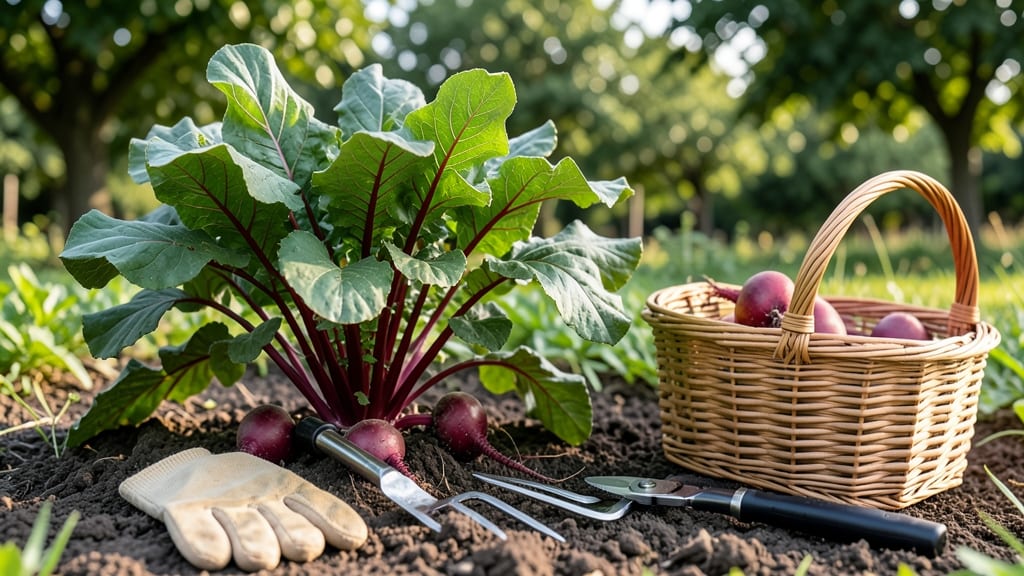
Harvesting beets at the right time ensures tender, sweet roots 🍠—but timing can be tricky if you miss the subtle cues.
Picture this: you’ve spent weeks nurturing your beets, only to pull them too early and end up with tiny, underdeveloped roots or wait too long and get tough, fibrous messes.
The difference between a perfect harvest and a disappointing one often comes down to knowing three key signs that your beets are ready.
In this guide, I’ll walk you through the ideal harvest window—when to pull beets in spring and fall—plus how to spot the perfect size, color, and leaf health. You’ll also learn how to store freshly harvested beets and prep them for cooking so nothing goes to waste.
Whether you’re a first-time gardener or a seasoned grower, these tips will help you pull beets at their peak flavor and texture every time.

How to identify beets at peak harvest time by size and color
Harvesting beets at the right moment transforms them from bland, fibrous roots into sweet, tender gems perfect for roasting or salads. The key lies in watching for three visual cues: root size, skin color intensity, and leaf health.
I’ve learned that ignoring these signs often leads to either underdeveloped beets or woody, overgrown ones—neither of which tastes great!
Most gardeners focus only on root size, but the leaves and skin color reveal just as much about readiness. For example, golden beets mature faster than deep red varieties, so timing varies. Let’s break down exactly what to look for to ensure your harvest is flawless.
| Indicator | Ideal Condition | Variety Notes |
|---|---|---|
| Root Size | 1–3 inches in diameter | Smaller for baby beets (½–1 inch) |
| Skin Color | Deep, uniform hue (red/purple/gold) | Golden varieties stay pale yellow |
| Leaf Health | Dark green, 3–4 inches tall | Yellowing = overripe or stressed |
| Soil Resistance | Firm grip when tugged | Loose soil = immature roots |
| Harvest Window | 50–75 days after sowing | Spring beets mature faster than fall |
Start by checking the root diameter, which is the most obvious sign. Aim for 1–3 inches—any smaller, and the beet will taste bland and watery. I once harvested a batch at just ½ inch and was disappointed by their mild flavor.
For baby beets, pull them when they’re about ½–1 inch wide; these are perfect for quick pickling or salads.
The skin color deepens as beets mature, so look for a rich, uniform hue. Deep red or purple varieties should have no pale spots, while golden beets stay a consistent pale yellow.
If the color fades or looks patchy, the beet may be underripe or stressed. I test this by gently brushing soil away—if the color isn’t vibrant, wait a few more days.
Don’t overlook the leaves, which act as a health bar for your beet. At peak harvest, they should be dark green, 3–4 inches tall, and free of yellowing or wilting. If leaves start turning yellow or brown, the beet is either overripe or struggling.
I’ve learned to pull beets when leaves are still lush, as this ensures the root is at its sweetest.
Variety matters! Detroit Dark Red and Chioggia develop deep colors and bold flavors, while Golden Beets mature faster and stay milder. For striped varieties like Chioggia, the rings should be clearly defined—if they’re faint, the beet needs more time.
I grow both types in my garden and harvest them separately to avoid mixing flavors.
Seasonal timing also plays a role. Spring-planted beets often mature faster due to cooler soil temperatures, while fall beets may take longer. In my zone 6a, I harvest spring beets in June–July and fall beets in October–November.
Always check the soil—if it’s dry, the beet will be tougher, so water consistently until harvest.
Pro tip: Use the "thumb test" for tenderness. Gently press the root with your thumb—if it yields slightly, it’s ready. If it feels rock-hard, it’s overdue. I’ve found this works better than relying solely on size, as some varieties grow unevenly. Combine this with the other cues for foolproof results.
Finally, avoid harvesting in extreme heat, as this can make beets woody. Early morning is ideal—roots pulled in the heat of the day may develop a bitter taste.
After harvesting, store beets in a cool, dark place (like a root cellar) for up to 2 weeks to preserve their sweetness.
Mastering these visual cues will turn your beet harvest from a guess into a precision event. The first time I nailed the timing, my roasted beets were so sweet they made my family ask for seconds—now that’s what I call a reward for paying attention!
3 Critical signs your beets are ready to pull (beyond size)
Checking the calendar or counting days after planting gives you a rough estimate for beet harvest time, but these methods miss the most reliable indicators.
The best time to harvest beets often comes down to three subtle yet unmistakable signs that tell you the roots are at their peak tenderness and sweetness. Ignoring these can lead to overgrown, fibrous beets that lose their delicate texture. Let's explore what truly matters beyond just size.
Many gardeners focus solely on root diameter—aiming for 1-3 inches—but this doesn't account for variations in soil fertility, weather, or beet variety. Instead, combine size with these three key signals to ensure you're harvesting at the perfect moment.
The first clue often appears when you least expect it: how the soil reacts when you gently tug on the greens.
- 1 Soil Resistance Test: When you grasp the beet greens and give a firm tug, the root should pop free with minimal resistance. If the soil clings tightly or the root breaks off, it's not ready yet. This resistance indicates the root hasn't fully developed its natural separation layer.
- 2 Leaf Shape Transformation: Look for the outer leaves to start curling or yellowing at the edges while the inner leaves remain vibrant. This signals the plant is redirecting energy to the root. Golden beets may show a slight bronze tint on older leaves first.
- 3 Thumb Test for Tenderness: Squeeze the root gently through the soil with your thumb. If it feels firm but yields slightly (like a ripe avocado), it's perfect. A rock-hard root means it's overripe, while a mushy feel indicates it was harvested too early or suffered from uneven watering.
Why do these signs matter more than days after planting? Beets grow at different rates depending on soil temperature and moisture. A cool spring might slow growth, while a hot summer could accelerate it.
These physical indicators account for these variables, ensuring you harvest when the beet's sugar content peaks and its texture is ideal. For example, my Detroit Dark Red beets often pass the thumb test 5-7 days earlier than the 60-day mark on the seed packet.
One common mistake is waiting until the leaves start dying back completely. By then, the roots may have become woody and fibrous, losing their sweetness. Instead, harvest when you see the first signs of leaf senescence—typically when about 20-30% of the outer leaves show color changes.
This gives you a 3-5 day window to pull the beets before they overmature.
Pro tip: If you're unsure, harvest a few test beets and check their tenderness. The first harvest often reveals whether your growing conditions are ideal. For instance, sandy soil might produce smaller but earlier-ready beets, while clay soil could delay these signs by a week or more.
Adjust your expectations based on your local growing conditions.
Remember, these signs work for all beet varieties—whether you're growing Chioggia with its striped patterns or Baby Beets that mature in just 40 days. The key is to trust your senses over the calendar.
When all three indicators align, you'll know you've timed your harvest perfectly for the sweetest, most tender beets of the season. 🌱