
How To
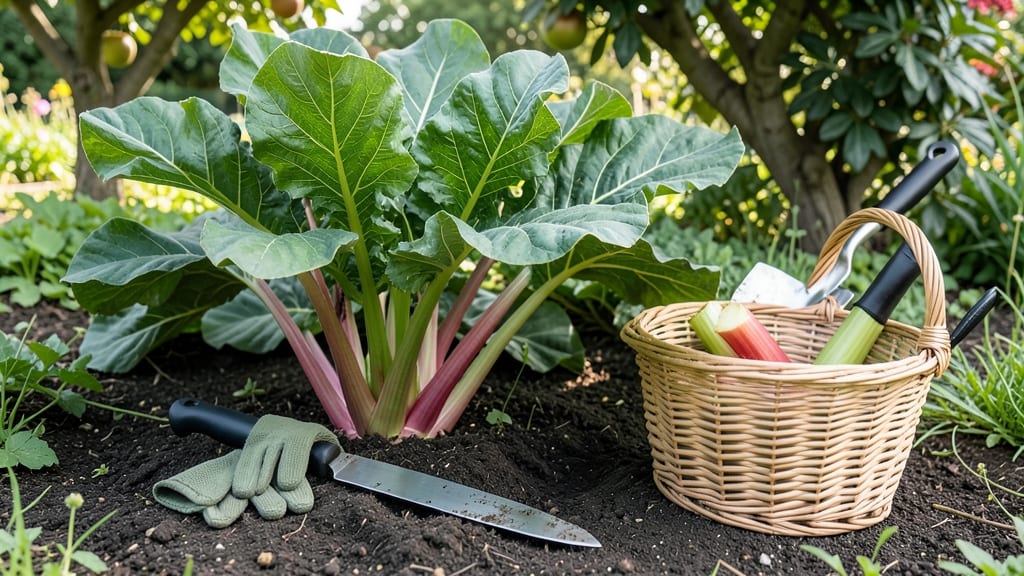
Harvesting rhubarb the right way means cutting stalks at the base to keep your 🍃 rhubarb plant thriving for years—not just one season.
Here’s the truth: most gardeners rush harvesting, pulling stalks too early or too aggressively, which weakens the plant and cuts short its productivity. But with the best way, you’ll enjoy a bountiful harvest for decades.
Timing matters most—wait until stalks reach 8–12 inches in late spring (May–June in Zone 6) when they’re firm and vibrant. Use a sharp knife or shears to slice just above the crown, leaving the leaves intact (they’re toxic but vital for regrowth).
In this guide, I’ll walk you through the exact steps, the tools to use, and how to avoid common mistakes that drain your plant’s energy. By the end, you’ll know how to extend your harvest season and keep your rhubarb healthy and productive year after year.
When and how to cut rhubarb stems for maximum regrowth
Harvesting rhubarb correctly is the difference between a plant that thrives for decades and one that struggles to recover. The best time to harvest is in late spring to early summer, when stalks reach 8-12 inches in length.
This timing ensures your rhubarb has stored enough energy to regrow vigorously for next year’s harvest.
Many gardeners make the mistake of harvesting too early or using the wrong tools, which can stress the plant. I’ve learned that sharp pruners or a clean knife are essential—dull tools crush stems, inviting disease.
Always cut at the base of the stalk, leaving the leaf attached to protect the crown from sunburn.
Timing matters beyond just stalk size. Avoid harvesting in extreme heat or cold snaps, as these conditions weaken the plant. The ideal window is on a cool morning after dew has dried, when stalks are crisp and firm to the touch.
Here’s the step-by-step method I use to harvest rhubarb without harming the plant:
Wait for stalks to reach 8-12 inches
Harvest only when stalks are firm and colored (pink/red). Smaller stalks won’t regrow as strongly.
Use sharp pruners or a clean knife
Avoid dull tools—they crush stems and invite rot. Sterilize blades with rubbing alcohol between cuts.
Cut at the base of the stalk
Leave the leaf attached to shield the crown from sun damage. Cut at a 45-degree angle for better healing.
Remove no more than 1/3 of stalks
Over-harvesting weakens the plant. Prioritize the thickest, most mature stalks first.
Harvest in cool morning conditions
Avoid midday heat or frost. The best time is after dew dries but before 10 AM.
After harvesting, I always mulch the base with 2-3 inches of organic matter to retain moisture and protect roots. This simple step helps the plant recover faster and prepares it for next year’s growth. Avoid fertilizing immediately after harvest—wait until early spring when new growth begins.
One common misconception is that you can harvest rhubarb in fall or winter. This is a mistake! Rhubarb needs time to replenish energy reserves before dormancy.
If you harvest in late summer or fall, you’ll stunt next year’s yield. Let the plant rest after June or July to ensure robust regrowth.
For container-grown rhubarb, the same rules apply, but be extra cautious about watering. Potted plants dry out faster and are more sensitive to over-harvesting. I reduce my harvest by 50% for container plants compared to in-ground rhubarb to avoid stressing the roots.
If your rhubarb plant looks weak or stunted after harvesting, it’s likely due to improper cutting or over-harvesting. In this case, focus on soil health and water consistency for the next growing season. A balanced fertilizer in early spring can also give it a boost.
With the right technique, your rhubarb can produce harvests for 10+ years. The key is patience—never rush the process, and always prioritize the plant’s long-term health over short-term yield. Your future self (and your rhubarb!) will thank you. 🌱
Common harvesting mistakes that kill rhubarb plants
Harvesting rhubarb seems simple—just snip the stalks, right? But overzealous cutting or poor timing can stunt your plant’s growth or even kill it. I’ve seen firsthand how removing too many stems at once weakens the crown, while harvesting in extreme heat stresses the plant beyond recovery.
These mistakes reduce next year’s yield by up to 50%, so let’s fix them now.
One of the biggest errors is cutting rhubarb too early in the season. Young plants need all their energy to establish strong roots before producing edible stalks. If you harvest before late spring (after last frost), your rhubarb may never fully recover.
Even worse, removing more than 1/3 of the stalks at once starves the plant, leaving it vulnerable to disease and pests.
Another critical mistake is harvesting in extreme weather. Hot afternoons or freezing mornings cause stress, making the plant more susceptible to rot or frost damage. Always harvest on cool, dry days when stalks are firm and crisp. Skipping this can turn your perennial prize into a one-season wonder.
⚠️ Callout-Warning: The Best Way to Harvest Rhubarb
Do: Cut stalks 1 inch above ground with a clean, sharp knife on cool mornings after frost risk passes. Never remove more than 1/3 of stalks at once to preserve the crown.
Don’t: Harvest before late spring, use dull tools (they crush stems), or cut in extreme heat. Avoid removing leaves—they’re toxic and protect the plant.
Let’s compare two scenarios: correct harvesting vs. harmful techniques. When done right, your rhubarb will regrow thicker, healthier stalks the following season. But if you over-harvest or use poor timing, you’ll notice stunted growth, yellowing leaves, or even crown rot.
For example, my neighbor’s rhubarb died after she cut every stalk in July—now she understands why patience pays off.
Extreme weather is another silent killer. Harvesting during heatwaves causes stalks to wilt, while cutting after a hard frost damages the plant’s ability to photosynthesize. Always check the weather forecast before harvesting.
If temperatures are above 85°F or below 40°F, wait for milder conditions. Your rhubarb will thank you with years of abundant harvests.
Finally, never harvest leaves—they’re toxic and essential for the plant’s health. Focus only on the stems (petioles), which should be 8–12 inches long and deeply colored. By avoiding these mistakes, you’ll ensure your rhubarb thrives for decades, not just a single season.
Start small, harvest smart, and watch your plant reward you with vibrant, productive growth every year.