
Picking
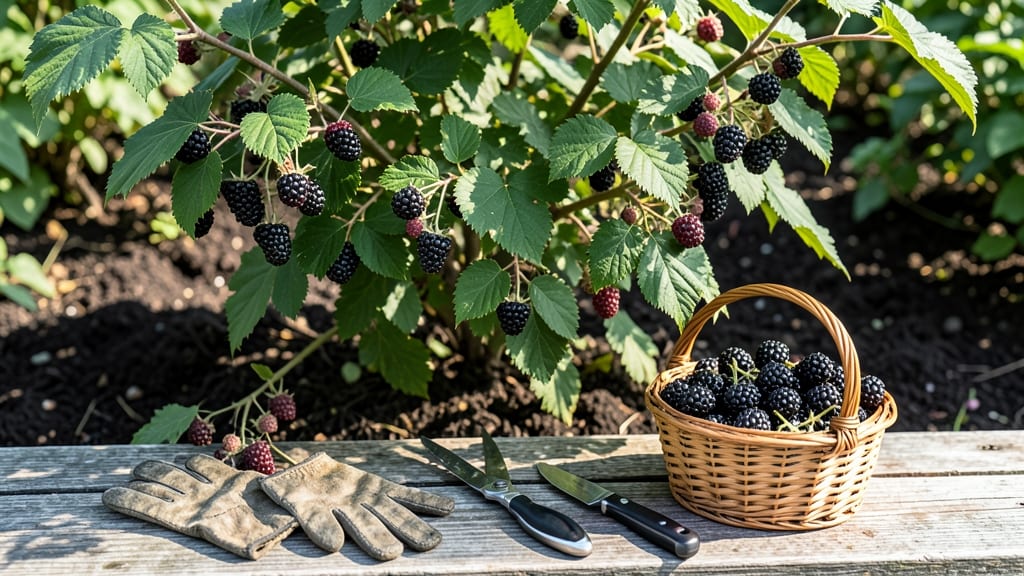
Blackberries peak in summer harvest season 🫐 when the sun turns their canes into candy-filled brambles—if you know when to look.
Summer’s golden warmth doesn’t just fade your beard; it signals the moment when thorny vines burst with flavor. But miss the window, and you’ll end up with tart, seedy berries—or worse, none at all, thanks to birds and pests.
Timing matters more than you’d think. A week too early means underripe fruit, while waiting too long risks losing your crop to wildlife. Below, I’ll break down the exact months to watch, how to spot perfectly ripe berries, and the pro tips that keep your harvest bountiful all summer long.
Ready to turn your patch into a sweet, juicy goldmine? Here’s how to master the summer blackberry rush—from first blush to last berry.
Blackberry harvest season timeline: when and how to pick at peak ripeness
Summer’s golden warmth doesn’t just fade your beard—it signals the peak of blackberry season, when thorny brambles transform into sweet, jewel-toned treasures. But timing is everything: harvest too early, and the berries lack flavor; too late, and pests or birds beat you to them.
Understanding your blackberry harvest season is key to maximizing sweetness and yield.
Blackberries typically ripen between late June and early September, but the exact timing depends on your USDA hardiness zone and local climate.
In warmer southern regions (Zones 8-10), harvests can begin as early as May, while northern growers (Zones 5-7) may not see peak ripeness until mid-to-late August. Everbearing varieties often produce two harvests—once in early summer and again in fall.
Here’s your month-by-month guide to blackberry ripening stages, color cues, and regional variations to ensure you never miss peak harvest season.
The best time to pick blackberries is early morning when temperatures are cool, ensuring maximum sweetness and firmness. Avoid harvesting after rain or in midday heat, as berries can become waterlogged or overly soft.
Look for berries that are deep black or purple, plump, and easily detach from the plant with a gentle tug.
Regional climate plays a huge role in harvest timing. In cooler northern climates (Zones 5-6), blackberries may not ripen until mid-to-late August, while southern growers (Zones 8-10) often enjoy harvests as early as May or June.
If you’re in a transitional zone, monitor your plants closely—early frosts can cut the season short.
Pro tip: Never harvest berries that are still red or green—they’ll lack sweetness and may not ripen further. Instead, focus on clusters where most berries are uniformly dark. Use harvesting shears or wear thick gloves to avoid thorns while protecting the fruit from bruising.
For everbearing varieties, you’ll get two harvests: one in early summer and another in fall. Prune canes after the first harvest to encourage a second crop. In hot climates, provide afternoon shade to prevent sunburn and maintain berry quality.
Blackberries are at their sweetest when harvested just before eating. Store them in the fridge for up to 3 days or freeze them for longer storage.
The key to a successful harvest season? Stay vigilant, check your brambles every 2-3 days, and pick at the perfect moment when the berries are ripe, plump, and bursting with flavor.
🌱
5 Signs your blackberries are ready to harvest (and 3 mistakes to avoid)
Summer’s golden warmth doesn’t just fade your beard—it signals the peak of blackberry season, when thorny brambles transform into sweet, jewel-toned treasures. But timing is everything: harvest too early, and the berries lack flavor; too late, and pests or birds beat you to them.
Knowing the 5 key signs of ripeness will help you avoid these common pitfalls and ensure you’re picking berries at their sweetest peak.
Blackberries ripen quickly, so I always check for these visual and tactile cues before harvesting. The color change from green to deep black or purple is the first obvious sign, but don’t rely on color alone.
You’ll also want to test for firmness and seed separation, which are critical indicators of true ripeness. Skipping these checks can lead to underripe or overripe fruit, both of which affect flavor and storage life.
🌱 5 Signs Your Blackberries Are Ready to Harvest
- 1. Deep, uniform color: Berries should be fully black or deep purple with no green or red hues. A dark, glossy appearance indicates full ripeness.
- 2. Soft yet firm texture: Gently squeeze a berry—it should yield slightly under pressure but not feel mushy. Overripe berries will squish like jelly.
- 3. Easy detachment: A ripe blackberry should pull away cleanly from the plant with a gentle tug. If it resists, it’s not ready yet.
- 4. Sweet aroma: Hold a berry to your nose—ripe blackberries emit a fruity, sweet scent. Lack of aroma means it’s underripe.
- 5. Seeds separate: When you press a berry between your fingers, the seeds should separate easily from the flesh. This is a foolproof sign of ripeness.
Pro Tip: Harvest in the morning when berries are cool and firmest. Avoid picking after rain or in the heat of the day to prevent bruising.
Now that you know the signs of ripeness, let’s talk about the 3 biggest mistakes I’ve seen gardeners make when harvesting blackberries. The first is overpicking—removing too many berries at once can stress the plant and reduce next year’s yield.
Always harvest selectively, focusing on fully ripe clusters while leaving some for birds and future ripening.
Another common error is ignoring bird damage. Birds love blackberries, and if you notice holes or missing fruit, it’s a sign they’re already feasting. To protect your harvest, cover plants with bird netting once berries start ripening.
Finally, avoid using sharp tools like knives or scissors, which can bruise the fruit. Instead, use your fingers or a soft harvest tool designed for delicate fruits.
For a smooth harvest, I recommend using a pair of harvesting shears with a wide opening to snip clusters without damaging the canes. Always harvest from the bottom of the plant upward to encourage new growth.
If you’re dealing with thorny varieties, wear gloves and long sleeves to protect your hands. With these tips, you’ll maximize your yield while keeping your blackberries intact and delicious.
Remember, blackberries ripen in stages, so check your plants every 2-3 days during peak season. The sooner you spot ripe berries, the sooner you can enjoy their sweet, tangy flavor.
And if you miss a batch? Don’t worry—frozen blackberries make a great addition to smoothies or baked goods later in the year.