
How To
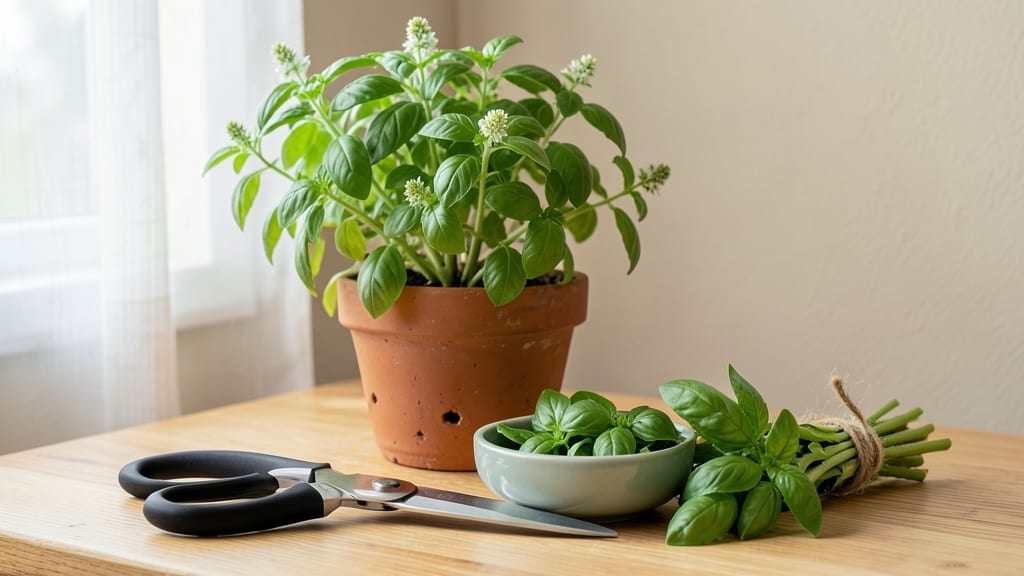
Harvesting basil for drying at the right time means capturing its peak flavor before it bolts 🌿 — and missing that window can turn your hard work into bitter, flavorless scraps.
Picture this: you’ve nurtured your basil all season, only to realize too late that those tiny flower buds mean the clock is ticking. The leaf pair test is your secret weapon—harvest when the plant has at least six pairs of true leaves, but before any flowers open.
That’s when the essential oils are strongest, ensuring your dried basil stays vibrant and aromatic.
Timing matters even more if you’re in USDA Zone 6, where frost can sneak in by October. Indoor basil? The same rules apply—just adjust for your grow lights.
Below, I’ll walk you through the exact signals to watch for, plus the best cutting and drying methods to lock in that garden-fresh taste all winter long.
Whether you’re air-drying bundles or using a dehydrator, these steps will save you from the regret of harvesting too early or too late. Let’s get your basil dried just right.
The leaf pair test: how to identify perfect basil harvest time for drying
Harvesting basil at the wrong stage can ruin its delicate flavor and aroma—especially when drying. The leaf pair test is my foolproof method to pinpoint the exact moment when your basil is primed for drying, ensuring maximum essential oils and preventing bolting.
This simple visual cue helps you avoid bitter, woody flavors that develop when basil matures too long.
Basil plants typically reach harvest readiness 60-90 days after transplanting, but visual cues matter more than days alone. The leaf pair test focuses on the top two leaves of your basil stems—these are your flavor barometers. When they’re fully mature but haven’t yet flowered, that’s your golden window for harvesting.
Here’s why timing matters: Once basil bolts (sends up flower stalks), its leaves become bitter and fibrous, losing up to 70% of their aromatic compounds. The leaf pair test helps you intervene before bolting while the plant still contains peak flavor and drying potential.
Once you’ve confirmed the leaves pass the test, harvest in the morning after dew has dried. This ensures the leaves are hydrated and full of essential oils, which is critical for drying.
Avoid harvesting after rain or late in the day, as moisture can dilute the flavor compounds you’re trying to preserve.
For drying, bundle stems together with a rubber band and hang them upside down in a dark, dry, well-ventilated space (like a pantry or closet). After 7-10 days, the leaves should crumble easily between your fingers—this means they’re dry and ready for storage.
Store in an airtight container away from light to maintain potency for up to 1 year.
Pro tip: If your basil starts bolting before you’re ready to harvest, don’t panic. Simply pinch off the flower stalks and focus on harvesting the lower leaves first. This redirects the plant’s energy back into leaf production, giving you a second chance at a flavorful harvest.
By mastering the leaf pair test, you’ll never again miss the peak flavor window for drying basil. Your dried herb will retain its aromatic richness and avoid the bitter aftertaste that plagues poorly timed harvests.
Signs your basil is overripe or bolting—and what to do next
If your basil plants are sending up tall, woody flower stalks, it’s a clear sign of bolting—a process that turns sweet leaves into bitter, tough stems. Bolting happens when basil senses it’s time to reproduce, often triggered by heat stress, over-maturity, or inconsistent watering.
Once flowers appear, the leaves lose their signature aroma and become unfit for drying, making this a critical moment for action.
Even if your basil hasn’t bolted yet, overripe leaves can still ruin your drying efforts. Leaves that are too old—dark green but leathery with a dull finish—will dry into flavorless scraps.
The key is catching basil at its peak: when leaves are bright green, firm to the touch, and packed with essential oils. Missing this window means sacrificing the aromatic potency you worked so hard to cultivate.
⚠️ When to Harvest Basil for Drying
Harvest basil for drying before flowers open—ideally when 50-70% of leaves are fully mature but still tender. Use the leaf pair test: pinch off the top pair of leaves just above another leaf pair. If leaves are bright green, aromatic, and firm, they’re perfect. Wait until 6-8 weeks after planting for best results.
When basil bolts, don’t throw it away—salvage what you can. The lower leaves near the base often remain tender and flavorful, even after the plant sends up a flower stalk. Strip these leaves and dry them immediately, as they’ll retain more aroma than the upper, bitter foliage.
For overripe but unbolted basil, trim the largest, most mature leaves first and use them for drying while saving the younger growth for fresh use.
Flavor quality drops dramatically at different stages: early harvests (young leaves) yield the most delicate, sweet dried basil, while late harvests (mature leaves) become earthier and slightly bitter. If you must dry overripe basil, expect a milder, less complex flavor—perfect for teas or soups where strong aroma isn’t critical.
To preserve what you’ve picked, store dried basil in airtight containers away from light, where it’ll keep for 6-12 months.
Prevent future bolting by harvesting regularly—pinch off flower buds as soon as they appear and prune aggressively to encourage bushier growth. Keep soil consistently moist (but not soggy) and avoid extreme heat stress by providing afternoon shade in USDA Zone 8+.
With these adjustments, you’ll extend your basil’s prime harvest window and ensure every leaf you dry is packed with flavor.
Remember: bolting isn’t the end—it’s a sign to act fast. Even if your basil is past its prime, proper drying techniques can still salvage usable herbs. The difference between great dried basil and disappointing scraps often comes down to timing and how you respond to these warning signs. 🌿