
How To
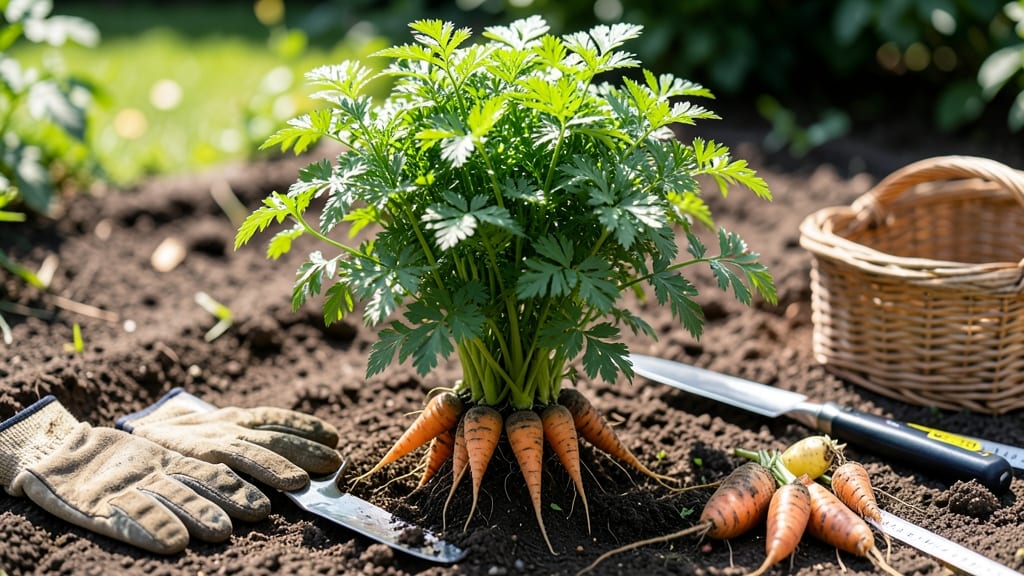
Harvesting carrots from seeds takes about 60 to 80 days for sweet, crisp roots 🥕—but timing is the secret to avoiding woody, bitter veggies.
Picture this: you’ve patiently waited weeks, only to pull up a carrot that’s either too small or tough as a boot. That’s the frustration of misjudging the harvest window, and it happens more often than you’d think.
Here’s the good news: with the right soil, variety, and climate tweaks, you can nail that 70-day sweet spot every time. I’ll walk you through the exact timeline, plus how to spot when your carrots are truly ready—no guesswork involved.
You’ll also learn how to adjust for your growing zone, avoid common pitfalls like bolting, and store your harvest so it stays fresh for weeks. Let’s get those roots in the ground—and out of it—on schedule.
Carrot seed germination to harvest timeline: week-by-week breakdown
Growing carrots from seed is a rewarding process, but knowing exactly how long to harvest carrots from seeds ensures you get the sweetest, crispest roots. Most varieties take 70 days from seed to harvest, but timing can vary based on soil temperature, variety, and growing conditions.
Let’s break down the critical stages so you can track progress and adjust your care accordingly.
Understanding this week-by-week timeline helps you anticipate when to thin seedlings, fertilize, and finally harvest. Carrots grow best in cool weather, so planting too early or too late can lead to bitter, woody roots. By following this schedule, you’ll avoid common pitfalls like forking or slow germination.
During the first 2 weeks, focus on maintaining consistent soil moisture—carrot seeds need darkness and warmth (60-70°F) to germinate. If the soil dries out, germination slows or fails entirely. Use a seedling heat mat if your climate is cool to speed up the process.
By week 3-4, your seedlings will emerge with tiny leaves. This is when you’ll need to thin them to prevent overcrowding, which causes forking. Space them 3-4 inches apart for standard varieties or 2 inches apart for baby carrots. Mulch around them to retain moisture and suppress weeds.
Weeks 5-6 are all about leaf growth and root development. Your carrots will start forming their iconic tops, but the real action is happening underground. Apply a balanced fertilizer (5-10-10) to encourage root expansion. Avoid high-nitrogen fertilizers, which promote leafy growth at the expense of root size.
As you approach week 7-8, your carrots will begin bulking up. This is when consistent watering becomes critical—too much water can cause rot, while too little leads to woody, bitter roots. Aim for 1 inch of water per week, delivered in the morning to reduce evaporation.
The final stretch, weeks 9-10, is when your carrots reach harvest size. Check for 3/4 to 1.5 inches in diameter at the shoulder and vibrant color. If left too long, they’ll become tough and fibrous. For a continuous harvest, sow seeds every 2 weeks throughout the growing season.
Adjust this timeline based on your climate and variety. Shorter-day varieties like 'Paris Market' mature in 50 days, while longer varieties like 'Danvers' take up to 80 days. Always plant in well-draining, loose soil to prevent forking and ensure straight roots.
Pro tip: Use a soil thermometer to monitor temperatures. Carrots grow best in 55-75°F soil. If temperatures rise above 80°F, growth slows, and roots may bolt or become woody. In hot climates, use shade cloth to protect seedlings.
🌱
How to speed up or slow down carrot growth for perfect timing
Carrot growth speed depends on soil temperature, variety selection, and climate conditions. While most carrots take 60–80 days to mature, you can fine-tune this timeline to match your growing season. Cool soil speeds up germination, while hot weather can cause bolting.
Let’s explore how to adjust growth for your garden’s needs.
For faster growth, focus on warm-season varieties like Danvers or Nantes, which thrive in 55–75°F soil. Plant in early spring or late summer to avoid heat stress. Loose, well-draining soil and consistent moisture also accelerate root development.
If your season is short, consider indoor seed starting 4–6 weeks before the last frost.
- 🌱 Start seeds indoors 4–6 weeks before last frost for a 2-week head start in cooler climates.
- ☀️ Use row covers to warm soil by 5–10°F, speeding germination in spring.
- 💧 Keep soil moist but not soggy—drought stress slows growth by 30%.
- ✂️ Thin seedlings to 2–3 inches apart to reduce competition and boost root size.
- 🌡️ Avoid soil temps above 80°F—this triggers bolting (flowering) and stunts growth.
To slow growth in long seasons, choose slow-maturing varieties like Chantenay or Paris Market, which take 70–90 days. Plant in late summer for a fall harvest or use shade cloth to reduce heat stress. Mulch heavily to keep soil cool and prevent bolting.
If your carrots are growing too fast and becoming woody, harvest early or opt for baby carrots at 40–50 days.
Watch for signs of stress: yellowing leaves mean overwatering, while purple tops signal nutrient deficiency. Adjust care immediately—phosphorus-rich fertilizer (5-10-10) encourages root growth without overstimulating tops. For consistent timing, succession plant every 2 weeks in spring and fall to stagger harvests.
Pro tip: Harvest baby carrots at 40–50 days for tender roots, or wait 70–80 days for full-size. If your season is short, prioritize early-maturing varieties** like Early Nantes. With these adjustments, you’ll match carrot growth to your climate—no more wasted seeds or missed harvests! 🥕