
Picking
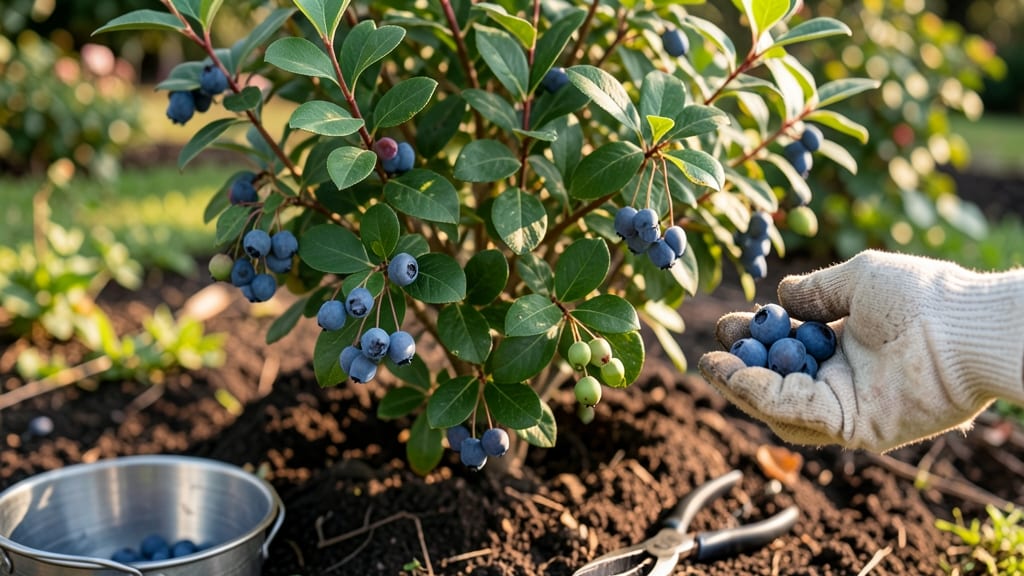
The time to harvest blueberries is when they’ve ripened to their deepest color and yield slightly under gentle pressure—usually between late June and August, depending on your climate and variety.
Picking at the wrong moment means missing out on that burst of sweetness and juiciness that turns a good harvest into an extraordinary one. Too early, and they’re tart; too late, and they’re mushy or attract pests. The secret? Knowing the exact ripeness tests that guarantee peak flavor every time.
Whether you’re growing northern highbush varieties like 'Bluecrop' or southern favorites like 'Duke,' timing matters. Regional differences shift the harvest window by weeks, and even the weather can push it earlier or later.
But with the right cues—color, firmness, and how easily they detach from the bush—you’ll never miss the sweet spot again.
Below, I’ll walk you through the 5 foolproof ripeness tests, how to adjust for your zone, and how to extend your harvest for weeks of fresh, flavorful berries. Ready to pick like a pro?

5 Visual and tactile tests to determine blueberry ripeness
Mastering the art of picking blueberries at their peak ripeness ensures a harvest bursting with flavor and juiciness.
Many gardeners make the mistake of harvesting too early or too late, which can leave you with bland, mealy berries—or worse, fruit that falls apart before you even get to the kitchen. The key lies in combining visual cues with tactile tests to guarantee the perfect harvest every time.
I’ve learned through years of trial and error that blueberries don’t ripen uniformly, even on the same bush. Some varieties, like Duke or Jersey, may ripen faster than others, while Bluecrop or Rabbiteye berries take their sweet time.
That’s why relying on a single method—like color alone—can lead to disappointment. Instead, I use a combination of five simple tests to confirm ripeness, ensuring my harvest is always at its best.
Here’s how I assess blueberry ripeness using a mix of what I see and what I feel, plus the common mistakes that can ruin your harvest if you’re not careful.
The color test is the first clue, but it’s not foolproof. For example, some Duke blueberries might look dark but still taste tart if picked too early. That’s where the firmness test comes in—I always give a gentle squeeze to confirm.
A berry that’s too hard will taste bland, while one that’s too soft will be mushy and unappetizing.
One common mistake I see is picking berries based on cluster appearance alone. Just because most berries on a branch look ripe doesn’t mean they all are. I’ve learned to check each berry individually, especially in mixed varieties like Top Hat (which ripens over a longer period).
Skipping this step can lead to a harvest with a mix of underripe and overripe berries, ruining the flavor profile.
Another trap is harvesting in direct sunlight. Blueberries are sensitive to heat stress, and picking them when the sun is blazing can cause them to overripen quickly or even split. I always harvest in the morning when temperatures are cooler, which also helps preserve their freshness longer.
If you must pick in the afternoon, work in the shade and refrigerate your harvest immediately.
For red or pink varieties like Pink Lemonade or Pink Icing, the color test changes slightly. These berries should turn a deep pink or red with hints of purple, not just a pale blush.
The tactile tests (firmness and detachment) remain the same, though. I’ve found that red varieties often ripen faster than their blue counterparts, so I check them more frequently.
If you’re growing wild blueberries (like Lowbush varieties), ripeness tests are even more critical because these berries are smaller and ripen in waves. I use a magnifying glass to inspect color and a soft cloth to test firmness gently.
Wild blueberries are delicate, and overhandling can cause bruising, which spreads mold and shortens shelf life.
Finally, never rely on calendar dates alone. Blueberry ripeness depends on climate, soil conditions, and even watering habits. A late spring frost or drought can delay ripening, while a warm, wet summer might speed it up.
That’s why I always perform these five tests—no matter what the calendar says.
By combining these visual and tactile tests, you’ll never miss the perfect blueberry harvest again. The result? Berries that are bursting with sweetness, juicy to the core, and ready to enjoy fresh, freeze, or bake into your favorite treats. Happy picking!
Best blueberry harvest times by variety and climate Zone
Knowing when to harvest blueberries depends on two key factors: your local climate zone and the specific variety you're growing.
Northern gardeners in USDA Zones 3-5 typically enjoy harvests from mid-June to early August, while southern growers in Zones 7-9 may harvest as early as April or as late as September. The challenge? Different varieties ripen at different times—some even produce two crops per year!
Early-bearing varieties like 'Duke' and 'Premier' ripen first, often in late May to June, while late-bearing types such as 'Jersey' and 'Bluecrop' peak in July and August. Southern varieties like 'Rabbiteye' and 'Climax' thrive in warmer climates and produce fruit 2-4 weeks earlier than northern types.
Adjusting your expectations based on these patterns ensures you never miss peak ripeness.
If you live in transition zones (6-7), your harvest timing may blend northern and southern patterns. For example, 'Bluecrop' might ripen 1-2 weeks earlier in Zone 7 than in Zone 5.
Always check your last frost date—blueberries need 100+ frost-free days to mature properly. In warmer climates, shade cloth can help delay ripening if you want to stretch your harvest.
Pro tip: Plant multiple varieties to extend your harvest season. Pair an early-bearing type like 'Duke' with a late-season variety like 'Bluecrop' for a 6-8 week harvest window. This strategy works especially well in USDA Zones 5-7, where seasonal shifts create natural ripening gaps.
Just be sure to space bushes 5-6 feet apart for proper airflow and pollination.
Climate also affects berry size and flavor. In cooler northern regions, blueberries tend to be smaller but sweeter, while warmer southern climates produce larger, juicier berries with slightly less acidity.
If you're in Zone 8 or higher, consider dwarf varieties like 'Top Hat' to avoid heat stress and ensure consistent ripening.
Finally, don’t forget that rain and humidity can speed up ripening. In wet climates, berries may soften faster—harvest them 1-2 days early to avoid overripe fruit. For drier regions, deep watering 2-3 times per week keeps berries plump and flavorful until harvest.
With these adjustments, you’ll always pick blueberries at their peak sweetness—just in time for jams, pies, or fresh snacking! 🫐