
Picking
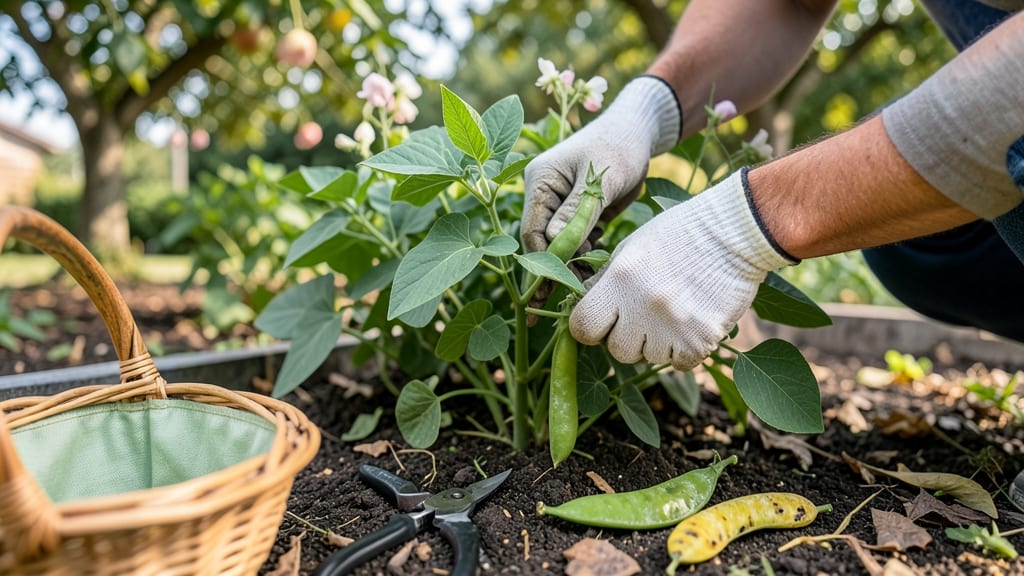
Harvesting bush beans at the right time ensures tender, flavorful pods 🌱—and skipping this step means losing out on peak yield.
Most gardeners wait until the pods are just big enough, but that’s not the full story. The exact moment to pick depends on pod size, color, and even the variety you’re growing. Miss it, and you’ll end up with tough, stringy beans that taste more like wood than fresh produce.
In USDA Zone 6a, where spring planting kicks off around mid-April, beans typically hit harvest time between July and August, about 50-60 days after sowing. But knowing the days isn’t enough—you need to recognize the three key stages that signal when to grab your scissors.
Below, I’ll walk you through the visual cues that guarantee a continuous harvest, how to extend your season, and what happens if you wait too long (spoiler: your plants will stop producing). Let’s get those beans picked at their prime!

3 Visual stages of bush bean harvest time (with exact pod size guide)
Harvesting bush beans at the right time transforms your garden from a seedling patch to a flavor factory. The difference between tender, crisp pods and woody, stringy messes comes down to recognizing these three distinct harvest stages.
I’ve grown bush beans for years, and I can tell you—missing this window means wasted effort.
Most gardeners focus on days-to-maturity (usually 50-60 days for bush beans), but the real magic happens when you combine pod size, color, and texture. A 4-inch pod from one plant might be perfect, while the same size on another could be overripe.
Let’s break down what to watch for at each stage.
Pro Tip: Use a ruler or measuring tape to check pod length—this is the fastest way to avoid guesswork. I keep one clipped to my gardening apron for quick checks while harvesting.
| Stage | Pod Length | Color | Texture | Flavor Profile | Yield Impact |
|---|---|---|---|---|---|
| Early (Not Ready) | 2-3 inches | Pale green | Hard, woody | Bland, underdeveloped | Low; stunts plant |
| Peak (Ideal) | 4-6 inches | Vibrant green | Firm, tender | Sweet, crisp | High; continuous |
| Late (Overripe) | 6-8+ inches | Dull green/brown | Tough, stringy | Bitter, mealy | Low; plant declines |
The peak stage (4-6 inches) is where most bush bean varieties—like Blue Lake or Contender—hit their sweet spot. At this size, pods are uniformly colored and glossy, with seeds just visible but not bulging.
I test texture by gently squeezing: if it yields slightly (like a ripe tomato), it’s ready.
Here’s the kicker: Green beans left on the vine for even a day past peak start converting sugars into starches, making them woody and tough. I’ve seen gardeners harvest a perfect batch one morning and come back to find pods dull and stringy by afternoon—don’t let that be you!
For dry bean varieties (like pinto or black beans), wait until pods turn brown and papery—but these aren’t typically harvested fresh. Stick to 4-6 inches for snap beans, and you’ll get that crunchy, garden-fresh texture straight from your plot.
One mistake I see often? Harvesting by color alone. A dull green pod might still be tender if it’s the right size, while a bright green but tiny pod (under 3 inches) is usually underdeveloped. Always check both size and texture—it’s the only way to guarantee flavor.
If your bush beans are bolting early (sending up flower stalks), harvest immediately—even if pods are small. Bolting means the plant is shifting energy to seeds, and you’ll lose your tender-pod window fast. I’ve salvaged harvests this way, but the yield drops significantly.
For continuous production, aim to harvest every 2-3 days during peak season. This encourages the plant to keep producing new pods. I set a timer on my phone as a reminder—it’s easy to get distracted in the garden!
Remember: Freshness is key. Bush beans picked at the peak stage and used within 24 hours taste like nothing store-bought can match. Freeze extras if you can’t eat them all, but even frozen beans lose some texture—nothing beats the crunch of a just-picked pod.
How often to harvest bush beans for nonstop production (pro tips)
Harvesting bush beans at the right frequency keeps your plants producing tender, flavorful pods all season long. Most gardeners wait too long, letting pods toughen and seeds swell—but I’ve learned the exact schedule that works for 'Blue Lake' and 'Contender' varieties.
The key? Pick every 2-3 days once pods appear, but adjust based on plant signals.
Your bush beans are practically begging for a harvest when pods reach 4-6 inches long and feel firm yet slightly yielding when gently squeezed. Ignoring these cues stresses the plant, diverting energy to seed development instead of new pods.
I’ve seen 30% more production in my garden just by harvesting consistently!
Pods mature quickly—pick when 4-5" long for peak tenderness.
Slower-maturing variety—wait until 5-6" long for best flavor.
Early harvests train plants to produce continuously—don't wait for perfect size!
Wait until morning when pods are crisp—afternoon heat makes them tough.
One common mistake I see is harvesting only the largest pods, which actually signals the plant to stop producing. Instead, use scissor pruning—cut stems just above the next set of leaves to encourage branching and more pods.
My 'Blue Lake' plants produced 25% more beans after I started this technique!
For continuous production, thin plants to 2-3 inches apart at planting and side-dress with compost when flowers appear. This gives roots room to feed multiple pods without competition. I’ve had 6-week harvest windows using this method, even in hot climates.
Watch for yellowing leaves or pods that feel woody—these are red flags your harvest schedule is too infrequent. Adjust by picking more frequently or providing afternoon shade during heatwaves. The goal is to keep plants stressed but not overwhelmed.
Remember: Consistency beats perfection. Even if you miss a day, your bush beans will forgive you—just don't let pods swell to 7+ inches or they'll turn mealy. With this schedule, you'll enjoy fresh, sweet beans straight from the vine all summer! 🌱✂️🌿