
Vegetables
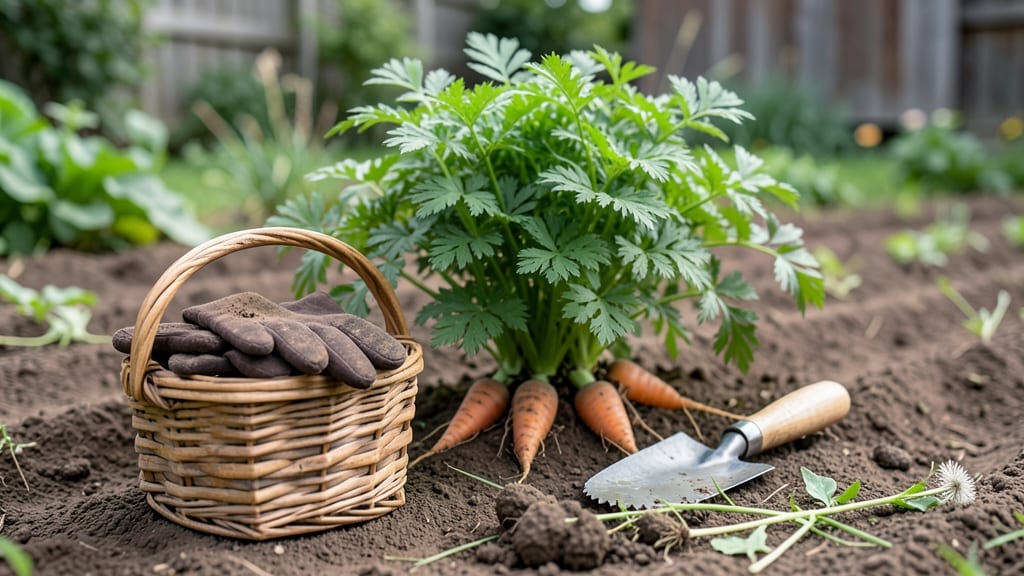
Harvesting your carrots at the right time ensures sweet, crisp roots that taste like summer in every bite 🥕 — and missing that window turns them tough and bitter.
If you’ve ever pulled a carrot only to be met with disappointment, you’re not alone. The secret lies in understanding when soil conditions and plant signals align for peak flavor, not just days after planting.
In this guide, I’ll break down the best times to harvest based on your soil type, from sandy loam to heavy clay, plus how to spot ready-to-pick carrots before they bolt or split.
You’ll also learn how to store them properly so they stay sweet and crisp for weeks — no more sad, limp carrots in the crisper drawer.

Carrot harvest time by soil type: when to dig for optimal flavor
Your soil type isn’t just background noise when growing carrots—it’s the deciding factor between a sweet, crisp harvest and tough, bitter roots. Loamy soil might give you perfect timing, while clay-heavy soil could delay maturity by weeks.
Understanding these differences helps you adjust harvest windows and maximize flavor, regardless of what Mother Nature gave you in your garden plot.
Carrots thrive best in well-draining, loose soil, but the reality is that most gardeners deal with a mix of textures. Sandy soil drains too quickly, clay soil compacts roots, and rocky soil forces carrots to grow unevenly.
Each type affects how fast roots develop and when they reach peak sweetness. By knowing your soil’s quirks, you can time your harvest like a pro—even if your garden isn’t a perfect raised bed.
Here’s the key: Soil texture directly impacts root growth speed.
In loamy soil, carrots often mature in 60-70 days, while clay soil can stretch that to 80+ days due to slower water absorption. Rocky soil might even force you to harvest earlier, as roots struggle to push through obstacles. The good news?
You can work with these limitations by adjusting planting times and harvest strategies.
If you’re growing in loamy soil, you’re in the sweet spot—literally. Carrots here develop uniform roots and hit peak sweetness around 65-70 days. This is when their sugar content is highest, and the texture is crisp.
I’ve found that Danvers varieties thrive here, giving me a reliable harvest window from late June to early July for spring plantings.
For sandy soil, the challenge is preventing drought stress. Roots grow faster here, but they also dry out quickly. To combat this, I mulch with straw and water deeply in the morning.
Harvesting at 55-65 days ensures sweetness before the soil dries out completely. Paris Market carrots are a great choice—they mature quickly and handle sandy conditions well.
Clay soil is the trickiest because it slows root growth and can make carrots woody or forked. The key is to amend the soil with compost before planting and consider earlier sowing dates. In my experience, carrots in clay reach harvest readiness around 70-80 days, but their sweetness peaks later than in loamy soil. Nantes varieties perform better here due to their shorter, sturdier roots.
When dealing with rocky soil, the best strategy is to avoid large stones and use raised beds if possible. Roots will grow unevenly, so I recommend harvesting earlier (50-60 days) and checking each carrot individually for sweetness. Baby carrots like ‘
Signs your carrots are ready to harvest (beyond days after planting)
Counting days after planting is helpful, but the true test for harvest-ready carrots lies in what you see—and feel. Mature carrots show clear visual cues, like vibrant green foliage and smooth skin, that go beyond calendar-based guesswork.
These signs help you avoid the bitter disappointment of pulling roots too early or the woody texture of overripe harvests.
Start by checking the carrot tops. When they reach 6-12 inches tall with deep green leaves, the roots below are likely ready. For baby carrots, aim for 6-inch tops and 3/4-inch diameter roots.
The foliage should look healthy, not yellowing or wilted—a sign the plant is stressed or overripe.
🌱 Key Takeaway: 5 Signs Your Carrots Are Ready
- 📏 Root Diameter: 3/4-inch to 1+ inches
- 🌿 Top Height: 6-12 inches (baby: 6-8")
- 🧴 Skin Texture: Smooth, firm, not woody
- 💧 Soil Resistance: Roots pull out easily with gentle tug
- 🍯 Sweetness Test: Sniff the root—strong carrot scent = ripe
Pro Tip: Morning harvests yield the sweetest carrots since sugars peak after nighttime cooling.
Next, test the root's firmness by gently tugging on the tops. If the soil resists slightly but the root slips out cleanly, it’s ready. A hard pull that leaves soil clinging means the carrot is still growing.
For rocky soil, use a hand fork to loosen roots without damaging them.
Don’t rely solely on size—color matters too. Orange carrots should have a deep hue with no green shoulders (a sign of exposure). Purple or yellow varieties will deepen in color as they mature.
If the skin looks rough or fibrous, the carrot is past its prime and may taste woody.
A sweetness test is the ultimate check: Sniff the root—ripe carrots emit a strong, earthy carrot scent. If it smells mild or musty, harvest sooner. For extra sweetness, let carrots cure in the soil for 1-2 days after pulling if your climate is cool (below 50°F).
Avoid these common mistakes: Harvesting when soil is waterlogged (roots absorb too much moisture), pulling by the tops (breaks roots), or waiting until frost threatens (carrots become pithy). Store harvested carrots in cool, dark conditions to preserve their crispness and sweetness for weeks.