
Vegetables
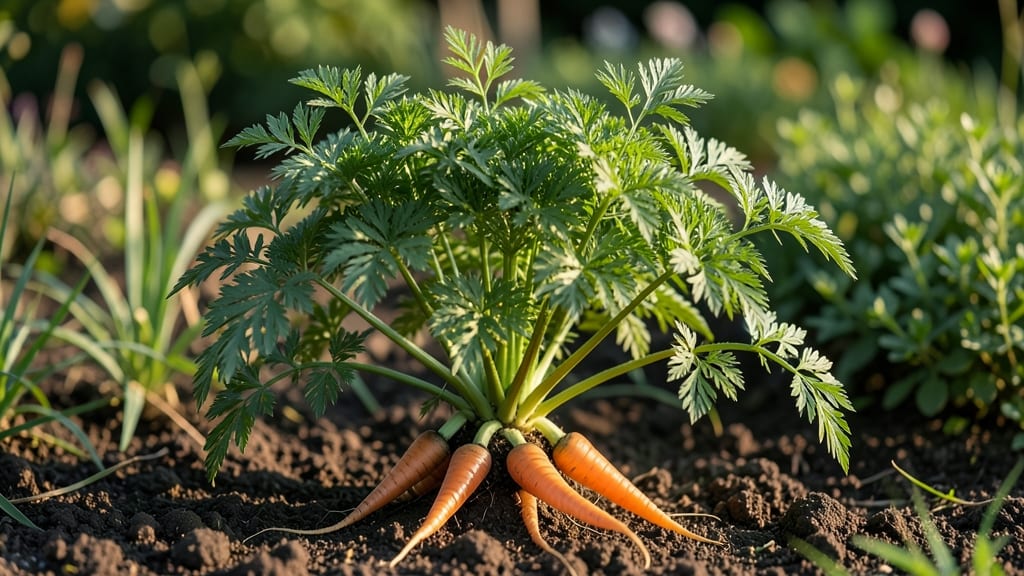
Growing carrots from seed to harvest in 60 days is a rewarding challenge that turns tiny seeds into crisp, sweet roots—if you nail the timing and care.
Picture this: you plant your seeds in loose soil, water them gently, and wait. But then, you check back after three weeks and find nothing but stunted sprouts—or worse, forking roots.
That’s where most gardeners hit a snag, and it’s not because carrots are finicky. It’s because the soil, spacing, and patience (or lack thereof) make all the difference.
From germination to harvest, every stage of a carrot’s life depends on the right conditions: 6-8 hours of sun, consistent moisture, and soil so fine it feels like flour. Skip one of these, and you’ll end up with lopsided roots or a harvest that’s months late.
In this guide, I’ll walk you through the exact steps—from sowing your seeds 4-6 weeks before last frost to pulling perfectly shaped carrots in two months flat. No guesswork, just proven tips to turn your patch of soil into a crunchy, sweet success.

Carrot growth stages: week-by-week seed to harvest timeline
Watching carrots grow from tiny seeds to harvest-ready roots is one of the most rewarding experiences in gardening. Understanding each week-by-week stage helps you provide the right care and conditions for perfect, straight carrots.
From germination to harvest, timing and attention make all the difference in achieving those crunchy, sweet roots you crave.
Carrots typically take 60-80 days to mature, but breaking down their growth into weekly phases reveals exactly when to expect milestones and how to support them. Whether you're a beginner or seasoned gardener, knowing the ideal conditions for each stage ensures you avoid common pitfalls like forking or slow growth.
Let's dive into the journey from seed to harvest, week by week.
- 1
- 2
- 3
- 4
- 5
Soil temp: 60-70°F | Depth: ¼ inch | Days to sprout: 7-14
Height: 2-3 inches | Thin to 2 inches apart | Water: Keep soil moist
Depth: 3-4 inches | Fertilize lightly | Watch for pests
Height: 6-8 inches | Mulch to retain moisture | Check for forking
Diameter: 1-2 inches | Reduce water slightly | Harvest when ready
Let's start with the first critical phase: germination. During weeks 1-2, your carrot seeds need consistent moisture and warmth to sprout. The soil temperature must stay between 60-70°F for optimal germination.
If your soil is too cold, sprouts may take 2-3 weeks to appear. Plant seeds ¼ inch deep and maintain even moisture—never let the soil dry out during this stage.
Once sprouts emerge, thin them to 2 inches apart during weeks 3-4 to give roots room to grow. This is also when you'll see the first true leaves appear.
Keep the soil consistently moist but avoid overwatering, which can cause rot. A light application of balanced fertilizer (5-10-10) can encourage healthy leaf development without promoting excessive foliage.
By weeks 5-6, your carrots will be developing their roots more rapidly. This is when you should check for forking—a common issue caused by compacted or rocky soil. Loosen the soil around plants if you notice roots splitting.
Apply a light fertilizer again to support root growth, and watch for carrot rust fly or aphids, which can damage young plants. Mulching with straw helps retain moisture and keeps weeds at bay.
During weeks 7-8, your carrots will enter their rapid growth phase. You'll notice the tops reaching 6-8 inches tall while the roots thicken below ground. This is the stage where consistent watering is crucial—1-2 inches per week—but avoid waterlogging.
If you notice any yellowing leaves, it could signal overwatering or nutrient deficiency. Side-dress with compost to provide additional nutrients.
The final stretch, weeks 9-10, is when your carrots are nearly ready for harvest. The roots should reach 1-2 inches in diameter with deep color. Reduce watering slightly to concentrate the flavor.
Harvest when the top leaves are 6-8 inches tall and the roots feel firm when gently squeezed. Use a fork to loosen the soil around the roots before pulling to avoid damage.
Understanding these stages helps you anticipate the care needs at each phase. Whether you're dealing with slow germination, forking roots, or pest pressure, knowing what to expect keeps your carrots on track for a successful harvest.
With patience and the right conditions, you'll enjoy homegrown carrots in just 60-80 days!
Critical factors that speed up or delay carrot harvest time
When growing carrots, the difference between a 60-day harvest and a 90-day struggle often comes down to a few key factors. I've learned that soil temperature, water consistency, and sunlight exposure play the biggest roles in determining how quickly your carrots mature.
Even small missteps in these areas can leave you waiting weeks longer than necessary for those sweet, crunchy roots.
One of the most critical elements is soil temperature. Carrot seeds need soil that's at least 50°F (10°C) to germinate properly. If your soil is too cold, germination can take 3-4 weeks longer, setting your entire harvest timeline back.
I always check soil temperature with a thermometer before planting to avoid this common delay. In cooler climates, consider using black plastic mulch to warm the soil faster.
Here's how different factors impact your harvest timing:
⚡ Factors That SPEED UP Harvest
- Warm soil (60-70°F) - Germinates seeds in 7-14 days instead of weeks
- Consistent moisture - Prevents stress that slows root growth by 20%
- Full sun (6+ hours) - Boosts photosynthesis for 30% faster maturation
- Loose, stone-free soil - Allows roots to grow straight and reach harvest size 10-15 days sooner
⏳ Factors That DELAY Harvest
- Cold soil (<50°F) - Can delay germination by 3+ weeks
- Inconsistent watering - Causes forking and stunted growth
- Partial shade - Reduces growth rate by 25-40% compared to full sun
- Compacted soil - Forces roots to grow crooked and slows maturation by 2+ weeks
I've noticed that watering patterns make a surprising difference in harvest timing. Carrots need consistent moisture—about 1 inch per week—but they'll grow faster if you water deeply 2-3 times per week rather than lightly every day.
Shallow watering encourages shallow roots and can actually delay maturation by forcing the plant to work harder to find moisture. Always water in the morning to prevent fungal diseases that can stress your plants.
Another common mistake gardeners make is overcrowding seeds. When carrots are too close together, they compete for nutrients and sunlight, resulting in smaller, slower-growing roots. The ideal spacing is 2-3 inches apart in rows that are 12-15 inches apart.
I once planted carrots too densely and ended up with harvest-sized roots that were only half the diameter of properly spaced ones—talk about frustrating!
Finally, don't underestimate the power of sunlight exposure. Carrots need 6-8 hours of direct sun daily for optimal growth. In my garden, I've seen carrots in partial shade take 30% longer to reach harvest size compared to those in full sun.
If you're growing in containers or a small space, consider using reflective surfaces or moving pots to follow the sun throughout the day.
By paying attention to these key factors, you can consistently achieve that 60-day harvest window that makes homegrown carrots so rewarding. The secret is in the details—warm soil, steady water, plenty of sun, and proper spacing make all the difference between a rushed harvest and a disappointing wait. 🥕