
Flowers
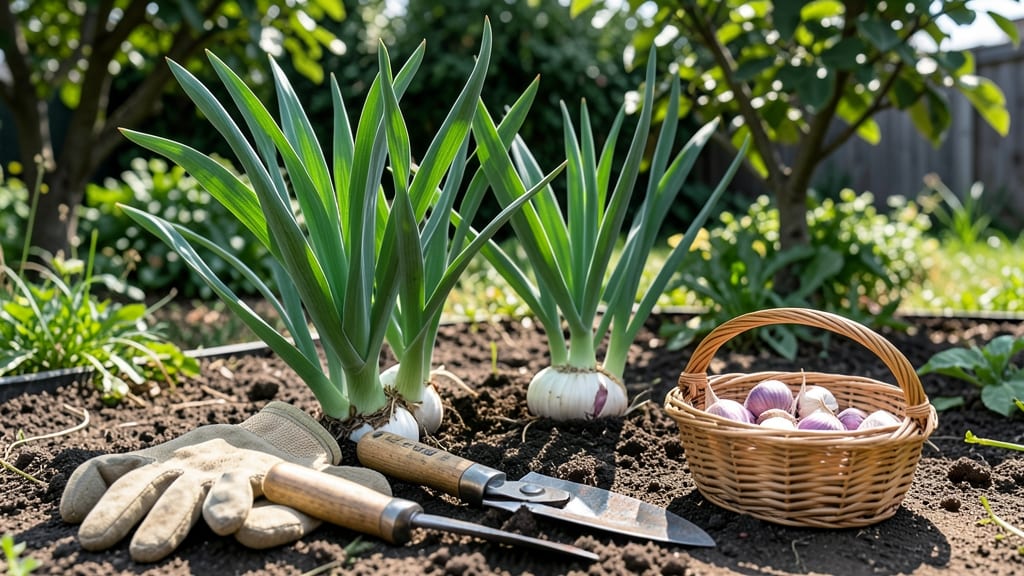
Do you harvest garlic before or after it flowers? The answer is a resounding before—and timing it right means watching for leaf browning, not just the bloom.
Picture this: you’ve nurtured your garlic all season, only to pull it too early and end up with small, weak cloves. Or worse, you wait too long, and the bulbs split or rot.
The difference between a harvest success and a flavor disaster comes down to one critical question: when do you stop waiting for that perfect bloom and start digging?
In USDA Zone 6, where most gardeners grow garlic, the answer depends on your variety. Hardneck garlic (like Rocambole or Purple Stripe) often signals readiness when 50-60% of lower leaves turn brown, while softneck types may need a slightly later nudge.
But here’s the catch: if you let those flowers pop, you’re trading bulb size for seed production — and nobody wants shriveled cloves come winter.
Below, I’ll walk you through the exact visual cues to watch for, how to adjust for your climate, and why a sharp knife (not your hands) is your best friend at harvest time. Let’s turn your garlic into a storage goldmine.
When to harvest garlic before flowering for maximum bulb size
Harvesting garlic at the right moment is like catching a wave—timing everything ensures you get the largest, most flavorful bulbs. For most gardeners, the golden rule is to harvest before the plant flowers.
This is especially true for hardneck garlic, which produces a scape (flower stalk) that signals the plant is shifting energy from bulb growth to seed production. Softneck varieties, while less aggressive, also benefit from early harvests to maximize size.
The key to perfect timing lies in observing your garlic’s leaf color and soil moisture. When about 50-60% of the lower leaves turn brown and crispy—while the upper leaves remain green—your bulbs are likely at peak size.
This stage usually occurs 6-8 weeks before flowering, depending on your climate. In cooler regions like USDA Zone 5-7, this might be late June, while warmer zones like Zone 8-10 could see harvests as early as May.
To test readiness without damaging the bulb, gently lift one plant and check the bulb’s size. If it’s plump and firm with papery skin forming between the cloves, it’s ready.
If the bulb is still small or loose in the soil, wait a few more days. This method lets you confirm readiness without risking the entire crop.
| Garlic Type | Ideal Harvest Time | Leaf Condition | Climate Adjustment |
|---|---|---|---|
| Hardneck Garlic | Late June - Early July | 50-60% lower leaves brown | Earlier in warm zones (Zone 8+) |
| Softneck Garlic | July - Early August | 40-50% lower leaves brown | Later in cool zones (Zone 5-6) |
| Seed Garlic | After flowering | Leaves fully brown | Not for bulb size; for seed |
| Late-Planted Garlic | Adjust by 2-3 weeks | Watch leaf browning | Harvest when ready, not by date |
Regional differences play a huge role in harvest timing. In cool climates like the Pacific Northwest or New England, garlic often matures later due to shorter growing seasons. Here, gardeners should wait until late July or early August, even if the leaves start browning earlier.
Conversely, in warm climates like Texas or California, garlic can bolt (flower prematurely) if stressed by heat, so harvesting in May or June is critical to avoid small bulbs.
Soil moisture is another silent signal. Before harvest, reduce watering to every 10-14 days to toughen the bulb skin and prevent rot. If the soil stays soggy, bulbs may develop mold or soft rot, ruining your harvest.
A quick check: press your finger into the soil—if it’s damp but not wet, your garlic is ready for the final push toward harvest.
One common mistake is waiting too long because the flower stalk (scape) hasn’t appeared. But hardneck garlic doesn’t always produce a scape, and even if it does, the bulb’s size is determined by leaf health, not the stalk.
Focus on the lower leaves browning and the bulb’s firmness, not the presence of flowers. Softneck varieties, which rarely flower, rely even more on leaf color cues.
For gardeners in USDA Zone 8 and above, where winters are mild, garlic planted in fall may mature faster. In these areas, I’ve found that harvesting in late May often yields the largest bulbs.
The trick is to monitor the weather: if a heatwave is forecast, harvest early to avoid stressing the plant. Conversely, in Zone 5 or colder, aim for late July to give the bulbs enough time to mature before frost.
To harvest, use a garden fork to loosen the soil around the plant, then gently lift it by the base. Shake off excess dirt and lay the bulbs in a dry, shady spot for 3-5 days to cure.
Avoid washing them—moisture speeds up rot. Once cured, braid or store the bulbs in a cool, dark place with good airflow, like a mesh bag in the pantry.
If you miss the window and your garlic starts flowering, don’t panic. While bulbs harvested after flowering will be smaller and less flavorful, they’re still edible. The key is to act quickly: harvest within 1-2 weeks of flowering to salvage some of the bulb’s size.
Just be prepared for a trade-off in storage life and taste.
Remember, every garlic variety has its quirks. Some, like ‘Music’ or ‘German White’, mature faster and may need harvesting earlier, while others like ‘Silverskin’ take longer. Always observe your plants closely—they’ll tell you when it’s time to pull them.
Harvesting garlic after flowering: risks, rewards, and when it’s worth it
Most gardeners know that harvesting garlic before flowering yields the largest, most flavorful bulbs—but what if your plants already have those purple flower stalks shooting up? Don’t toss them out just yet.
Harvesting garlic after flowering can still work, especially if you’re growing seed garlic or dealing with late-season varieties. The key is understanding the trade-offs and how to salvage quality.
When garlic flowers, it signals the plant is shifting energy from bulb growth to seed production. This means bulbs harvested post-flowering will be smaller and less robust, but they may still be usable for cooking or replanting.
The real risk? Higher moisture content in the bulbs, which can lead to rot during storage. Let’s break down when it’s worth harvesting late and how to minimize losses.
Harvesting Garlic: Pre-Flowering vs. Post-Flowering
Pre-Flowering (Optimal)
- Bulb size: Large, plump
- Flavor: Bold, pungent
- Storage life: 6-8 months
- Best for: Cooking, braiding
Post-Flowering (Salvage)
- Bulb size: Small, underdeveloped
- Flavor: Mild, less intense
- Storage life: 2-4 months
- Best for: Seed garlic, immediate use
Pros
- Can still harvest seed garlic for next year
- Works for late-season varieties in warm climates
- Prevents bulb rot from over-maturity
Cons
- Smaller bulbs (30-50% reduction in size)
- Higher risk of moisture-related rot
- Shorter storage life and milder flavor
⚠️ Tip: If harvesting post-flowering, prioritize drying bulbs quickly to reduce moisture risks.
If you’re growing garlic for seed production, harvesting after flowering is actually ideal. The bulbs will be smaller, but they’ll produce viable cloves for replanting. For cooking garlic, however, the flavor and size trade-off makes pre-flowering the clear winner.
That said, if your garlic unexpectedly flowers early, you can still salvage the crop by harvesting when the lower leaves turn brown—even if the flower stalks are still green.
To mitigate moisture risks, cure post-flowering garlic in a well-ventilated, dry space (like a garage or shed) for 2-3 weeks. Avoid curing in direct sunlight, which can over-dry the bulbs.
If you notice any bulbs softening during storage, remove them immediately to prevent rot from spreading. For best results, use these harvested bulbs within 2-4 months rather than storing them long-term.
For gardeners in warm climates, late-season varieties like Silverskin garlic may benefit from a post-flowering harvest if the growing season is short. In cooler regions, however, the risks often outweigh the rewards.
Always monitor your garlic’s leaf color and bulb firmness—these are better indicators of readiness than flowering status alone.
Bottom line: Harvesting garlic after flowering is a last-resort strategy, but with the right approach, you can still salvage a usable crop. If you’re growing garlic for seed or dealing with an unexpected flowering, focus on quick drying and short-term storage to make the most of your harvest. 🌱