
Picking
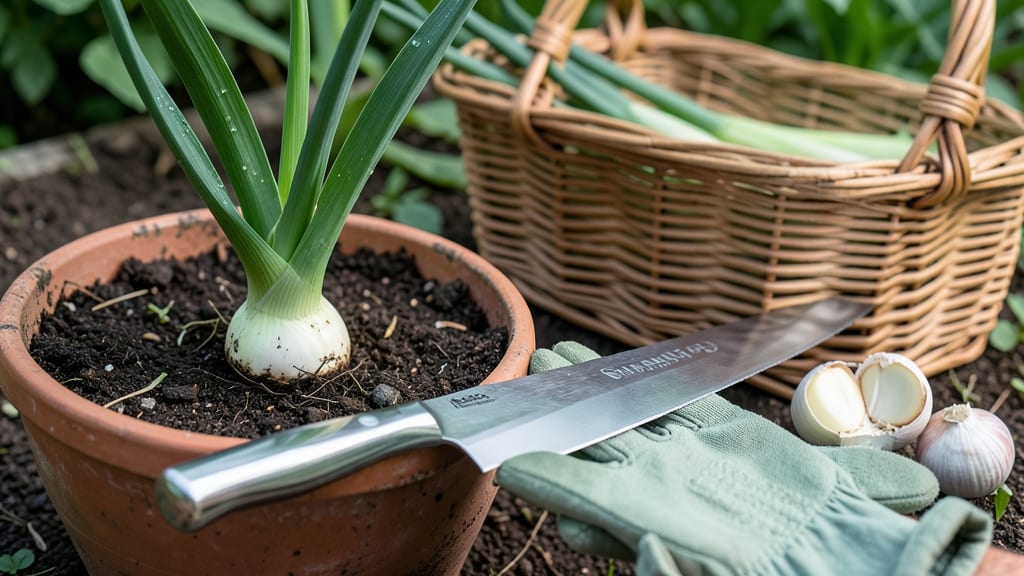
Harvesting garlic scapes at the right time is the secret weapon for bigger bulbs—cut them when they curl into a tight spiral, usually in June or July in most growing zones.
If you’ve ever wondered why your garlic bulbs seem smaller than expected, the answer might be hiding in plain sight—literally. Those curly green stems (garlic scapes) aren’t just decorative; they’re a gardener’s secret to maximizing bulb size—if harvested at the perfect time.
Timing is everything: snip them too early, and you miss the flavor and nutrients; wait too long, and the plant diverts energy to flowering instead of bulb growth. The key is watching for those purple-brown curls—a sure sign your garlic is ready to be harvested.
Below, I’ll walk you through the exact visual cues to look for, the best tools to use, and what to do with your scapes once they’re cut—because they’re too good to waste!
When to harvest garlic scapes for maximum bulb growth
Harvesting garlic scapes at the right time is the difference between plump bulbs and underwhelming harvests. These curly stems appear around 60-70 days after planting, signaling the plant’s energy shift from bulb growth to flowering.
If you cut them too early, your bulbs won’t reach their full potential. Too late, and you miss the prime window entirely.
Timing is everything because scapes act as energy sinks—when removed, the plant redirects that energy back to the garlic bulb below ground. This is why gardeners in USDA zones 3-10 swear by scape harvesting: it can increase bulb size by up to 30%.
The key is watching for the tight spiral curl and purple-brown hue that signals readiness.
Climate plays a role too. In warmer zones (8-10), scapes may appear as early as April, while in cooler zones (3-6), they might not emerge until June.
Always align your harvest with local frost dates—if scapes appear before your last frost, prioritize harvesting them to protect bulb development.
Harvesting too early (before 60 days) means the plant hasn’t built enough energy reserves in the bulb. You’ll end up with smaller, weaker cloves. Conversely, waiting too long (after 70 days) lets the scape flower, diverting energy away from the bulb entirely.
Think of it like a race against time—the plant’s energy is a finite resource, and you want to claim it at the peak.
Visual cues are your best friend here. Look for uniform curling across all scapes in your patch. If some are ready and others aren’t, harvest the mature ones first and monitor the rest daily.
Pro tip: Use a sharp pair of pruning shears to cut scapes 1-2 inches above the garlic plant. This prevents damage to the main stem and encourages stronger bulb growth.
What happens if you miss the window? Don’t panic—you can still harvest scapes up to 10-14 days late, though bulb size may suffer. If the scape has already flowered, you’ll get smaller bulbs and fewer cloves, but the harvest won’t be ruined.
The moral? Stay vigilant, and your garlic patch will thank you with bigger, healthier bulbs come harvest season.
One common mistake is assuming all garlic varieties produce scapes. Hardneck garlic (the type grown for scapes) is your best bet, while softneck varieties rarely form them. If you’re growing softneck, focus on bulb health and soil conditions instead—scape harvesting won’t apply. For hardneck, though, timing is everything.
After harvesting, don’t toss those scapes! They’re packed with flavor and can be used in pesto, stir-fries, or pickled. But for now, your priority is the bulb below.
By mastering the 60-70 day window and watching for those purple-brown curls, you’ll unlock the secret to bigger, more abundant garlic harvests every year.
Step-by-step guide to harvesting garlic scapes correctly
Harvesting garlic scapes at the right time is crucial—it redirects the plant’s energy toward bulb development, resulting in larger harvests. But timing isn’t the only factor; the way you snip the scapes also impacts your garlic’s health.
Use the wrong technique, and you risk stressing the plant or inviting disease. Let’s break down the perfect harvest method to ensure your garlic thrives.
First, gather your harvesting tools. A clean, sharp pair of pruning shears or scissors is ideal—never use dull tools, as they crush stems and create entry points for fungal infections.
Wear gloves to protect your hands from the plant’s mild irritants. Work on a dry morning when the scapes are firm, not dew-covered, to minimize moisture-related stress.
How to Harvest Garlic Scapes
- Step 1: Identify the right scapes—look for tight, curly stems about 6-8 inches long with a purple-brown hue. Avoid harvesting straight or loosely curled scapes.
- Step 2: Locate the scape’s base—it’s the point where the stem meets the main garlic stalk. This is where you’ll make your cut to avoid damaging the plant.
- Step 3: Snip cleanly—position your shears just above the base and cut at a 45-degree angle. This prevents water from pooling on the wound, reducing rot risk.
- Step 4: Avoid cutting leaves—never trim the long, flat leaves surrounding the scape. These leaves are essential for photosynthesis and bulb growth.
- Step 5: Remove all scapes—if multiple scapes emerge, harvest each one immediately to prevent the plant from diverting energy away from bulb development.
After harvesting, don’t toss the scapes! They’re packed with flavor and nutrients and can be used in culinary dishes or composted to enrich your soil. But focus first on your garlic’s post-harvest care.
Water the plants deeply within 24 hours to help them recover from the harvest stress. Avoid overwatering, though—soggy soil can lead to rot.
Monitor your garlic plants closely for the next 6-8 weeks. You’ll notice the leaves regrow more vigorously, and the bulbs will swell beneath the soil. If you see yellowing leaves or stunted growth, reduce watering slightly and ensure the plants get full sun exposure.
With proper care, your bulbs will be plump and ready for harvest by late summer.
Remember, the key to maximizing bulb size lies in timely and precise harvesting. Skip this step, and you might end up with smaller cloves. But nail it, and you’ll reward yourself with bountiful, flavorful garlic—worth every snip! 🌱