
Vegetables
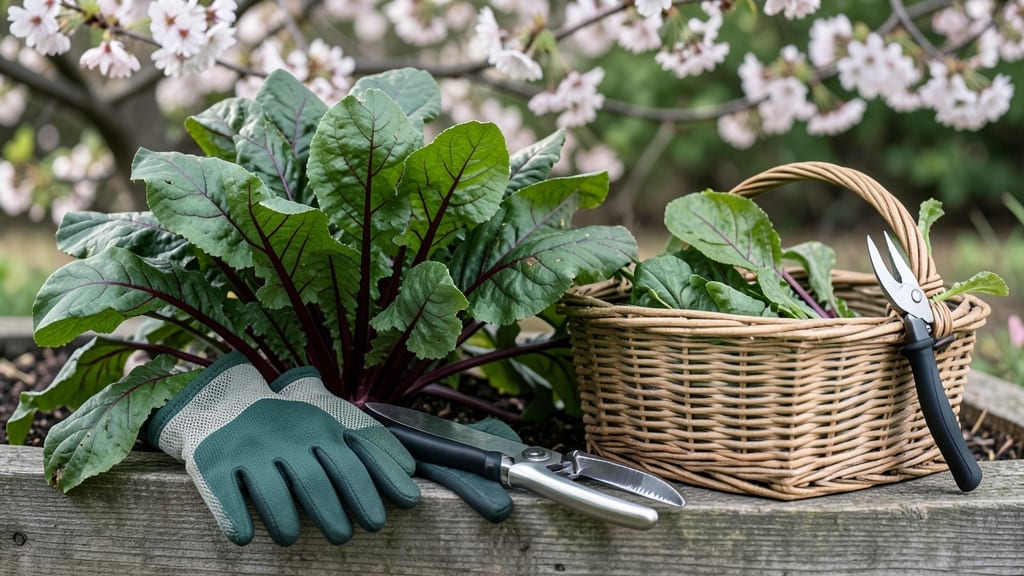
Harvesting beet greens at the right time unlocks a second (or third!) harvest without replanting — but many gardeners miss the window that keeps their plants thriving.
Picture this: you’ve nurtured your 🥬 beet greens all spring, and now the outer leaves are large, dark, and crisp. Cutting them too early means tough greens; too late, and you risk stunting regrowth. The key is timing those cuts when the plant is ready to bounce back.
In this guide, I’ll walk you through the exact signs to look for — leaf size, color, and stem thickness — plus the best tools and techniques to harvest without damaging the root.
You’ll also learn how many times you can safely harvest and when to let the plant rest for future harvests.
By the end, you’ll know exactly when to snip for maximum yield and how to store your harvest to keep it fresh. Let’s get those greens growing back stronger than ever!
Best time to harvest beet greens for regrowth and peak flavor
Timing your beet greens harvest is everything—cut too early, and you’ll miss peak flavor; wait too long, and you risk stunting the plant’s ability to regrow.
The ideal harvest window for beet greens is 30 to 60 days after planting, when the leaves reach 4 to 6 inches in length and develop a deep, vibrant green color.
This window ensures you get tender, flavorful greens while leaving enough energy in the root to produce new growth.
Beet greens are unique because they can regrow after harvest, giving you multiple harvests per season without replanting. The key is cutting the outer leaves while leaving the inner leaves and the root intact.
This method encourages the plant to focus energy on producing new growth, rather than flowering or going dormant. Think of it like giving your plant a haircut—you’re trimming the top but leaving the roots to regenerate.
Look for these 3 key signs that your beet greens are ready for harvest: large, dark green leaves (at least 4 inches long), a thick, sturdy stem, and no signs of bolting (flowering).
Bolting occurs when the plant shifts energy from leaf production to seed production, which means the greens will become bitter and tough. Harvesting before this stage keeps your greens sweet and tender.
Here’s the secret to maximizing regrowth: never cut more than 1/3 of the plant at once. This rule applies whether you’re harvesting for the first time or encouraging regrowth.
By leaving enough foliage, you ensure the plant can continue photosynthesizing and fueling new growth. It’s like saving enough energy to power a second battery—you’re not draining everything at once.
How to Time Your Beet Greens Harvest for Regrowth
- Wait 30-60 days after planting before your first harvest. This ensures the plant has established a strong root system and enough foliage to regenerate.
- Check leaf size: Harvest when outer leaves reach 4-6 inches long. Smaller leaves are tender but may not yield enough for a meaningful harvest.
- Inspect leaf color: Look for deep green, vibrant leaves. Pale or yellowing leaves indicate stress or nutrient deficiency, which can hurt regrowth.
- Avoid bolting: Stop harvesting if the plant sends up a flower stalk. Bolting means the greens will turn bitter and tough, and the plant won’t regrow well.
- Leave 2-3 inches of stem when cutting. This ensures the plant retains enough energy to produce new leaves without damaging the root.
- Harvest in the morning for the freshest flavor and to avoid wilting. The greens will be crisp and hydrated after a night of moisture uptake.
- Space out harvests: Wait 4-6 weeks between harvests to allow the plant to recover and produce new growth.
One common mistake gardeners make is harvesting beet greens when the leaves are still too small. While you can pick a few young leaves as baby greens, waiting for the leaves to reach 4-6 inches ensures you get a substantial harvest without overstressing the plant.
Think of it like waiting for a tomato to fully ripen before picking—you’ll get a better yield and flavor.
Another critical factor is the time of day you harvest. Always cut beet greens in the morning, when the leaves are fully hydrated and at their peak flavor. Harvesting in the afternoon or evening can lead to wilted greens, as the plant loses moisture through transpiration.
Plus, morning harvests give you time to store or cook the greens before they lose freshness.
If you’re growing beet greens for both the greens and the root, pay attention to the root size as well. While you can harvest the greens multiple times, the root will eventually become too large to regrow effectively.
Once the root reaches 2-3 inches in diameter, it’s time to harvest the entire plant to enjoy the root’s sweetness. Save the greens for your final harvest before the first frost.
To encourage the best regrowth, always use clean, sharp pruners or scissors when harvesting. Dull tools can crush the stems, making it harder for the plant to recover. After cutting, remove any damaged or diseased leaves immediately to prevent the spread of pathogens.
This simple step can mean the difference between a thriving plant and one that struggles to regrow.
Finally, remember that beet greens thrive in cool weather. If temperatures rise above 80°F (27°C), the greens may bolt or become bitter. Harvesting early in the season—before the heat sets in—gives you the best chance for multiple regrowth cycles.
Plan your harvests to coincide with cooler months for the sweetest, most tender greens.
How to cut beet greens for maximum regrowth: step-by-step guide
Harvesting beet greens the right way is key to unlocking their regrowth potential. When done correctly, you can enjoy multiple harvests per season from a single plant. The secret lies in cutting just above the 2-3 inch stem while leaving enough foliage to power regrowth.
Let’s break down the exact technique to avoid common mistakes that stunt future growth.
Before you grab your shears, gather the right tools. A sharp pair of pruning shears or clean kitchen scissors will give you the cleanest cuts. Avoid pulling leaves by hand, as this can damage the stem and reduce regrowth chances.
I also recommend wearing gardening gloves to protect your hands from the plant’s mild irritants.
⚠️ callout warning ⚠️
⚠️ Critical Mistake to Avoid
Cutting too close to the root crown or removing more than ⅓ of the foliage at once will shock the plant and reduce regrowth. Always leave at least 2-3 inches of stem and 4-6 mature leaves to sustain photosynthesis.
✅ Do: Cut just above a leaf node where new growth emerges.
❌ Don’t: Sever the stem below the first set of leaves or use dull tools that crush the stem.
Start by selecting the outermost mature leaves—these are ready for harvest while leaving younger inner leaves to continue growing. Use your shears to make a clean cut at a 45-degree angle, about ½ inch above a leaf node.
This angle helps water runoff away from the stem, reducing rot risk. For a partial harvest, trim just a few leaves at a time to minimize stress on the plant.
After cutting, give your beet greens some immediate post-harvest care to encourage regrowth. Water the soil deeply to replenish moisture lost during harvest. I like to add a light application of balanced fertilizer (like 10-10-10) to provide essential nutrients for recovery.
Avoid heavy feeding right after cutting, as this can encourage tender new growth that’s vulnerable to pests.
Monitor your beet greens closely in the 2-3 weeks following harvest. Healthy regrowth will show as new leaves emerging from the center of the plant. If you notice yellowing leaves or stunted growth, increase watering slightly and check for pests like aphids.
Mulch around the base to retain moisture and protect the stem from temperature swings.
With proper cutting techniques and post-harvest care, you can enjoy 2-3 harvests per season from a single beet plant. The key is patience—allowing the plant to recover between cuts ensures robust regrowth. Next time you’re harvesting, remember: less is more when it comes to preserving your beet greens’ productivity.