
Planting
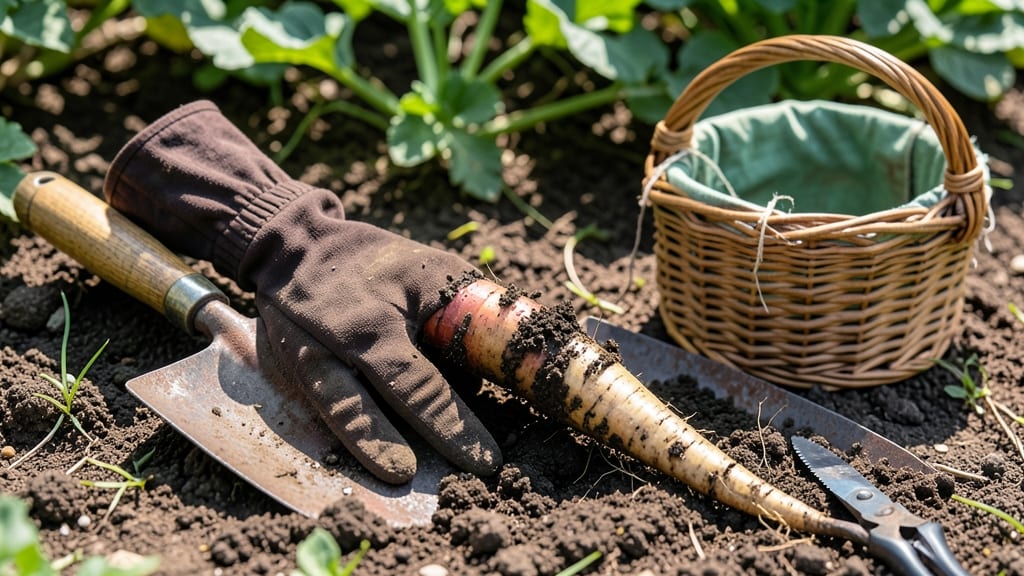
Harvesting chicory root at the right moment transforms your garden into a winter pantry treasure 🌱 — and missing the window means wasted effort.
Picture this: your chicory’s outer leaves are yellowing, the tubers feel firm beneath your fingers, and the soil is cool and moist. That’s not just a sign of maturity—it’s your cue to act before the first frost turns your harvest into mush.
Timing is everything with chicory, a biennial that stores best when pulled at 1-2 inches in diameter and before flowering. Too early, and the roots are small; too late, and they split or rot in storage.
In this guide, I’ll walk you through the exact visual and tactile cues to spot, the tools you’ll need, and how to handle and store your harvest for months of crisp, earthy flavor.
When to harvest chicory root: leaf color and tuber firmness guide
Timing your chicory root harvest correctly ensures you get storage-quality tubers that stay fresh through winter. Since chicory is a biennial plant, it needs two growing seasons to develop edible roots.
The key is watching for leaf color changes and assessing tuber firmness—both tell you when roots are ready to pull.
Chicory roots should be harvested in the fall of their second year, typically between October and November in most climates. This timing aligns with cool soil temperatures (around 50-60°F) and shortening daylight hours, which trigger maturity.
Missing this window means roots may become woody or spoil before you can store them.
| Maturity Stage | Leaf Color | Tuber Firmness | Root Size | Ideal Harvest Month |
|---|---|---|---|---|
| Early Maturity | Mostly green with yellowing tips | Slightly soft (not fully firm) | ½–1 inch diameter | Late September |
| Optimal Harvest | 70% yellow leaves, wilted outer foliage | Firm and clean (no bruising) | 1–2 inches diameter | October–November |
| Over-Mature | All leaves yellow/brown, brittle stems | Woody or shriveled | >2 inches (often fibrous) | December+ (avoid) |
Start checking your chicory plants in late September for the first signs of yellowing outer leaves. This is your cue to begin monitoring tuber firmness.
Gently grasp the base of the plant and feel for resistance—a ready-to-harvest root should feel solid and unyielding, not mushy or hollow.
If you're in a warmer climate (USDA Zone 8+), chicory may mature earlier, so adjust your harvest window to late September. Conversely, in cooler zones (Zone 5-6), wait until mid-October when soil temps drop below 60°F.
A frost warning is your last call—harvest immediately to prevent root damage.
Never harvest chicory roots when leaves are still fully green or if tubers feel soft and fibrous. Immature roots won’t store well and may rot. Similarly, avoid harvesting after leaves turn completely brown and brittle, as roots become woody and inedible.
Aim for that golden middle where 70% of leaves are yellow.
For best storage results, harvest chicory roots on a dry, overcast day to reduce stress on the plant. Use a fork or spade to loosen soil around the base, then gently lift the entire plant.
Shake off excess dirt and let roots cure in shade for 2–3 hours before storing. This drying period prevents mold growth during storage.
In container gardens, chicory roots may mature faster due to limited soil volume. Monitor plants 2–3 weeks earlier than in-ground crops and harvest when tubers reach 1 inch diameter, even if leaves aren’t fully yellow. Smaller roots store less long but are still usable for short-term cooking.
Pro tip: Cut back foliage 1–2 weeks before harvest to signal the plant to redirect energy to root development. This stress-inducing trick often results in larger, firmer tubers ready for harvest. Just avoid overdoing it—remove only 50% of leaves to prevent plant shock.
🌱
Step-by-step chicory root harvesting process for maximum yield
Harvesting chicory roots at the right time ensures sweet, storage-friendly tubers. The process requires gentle handling to avoid damage—start by gathering your tools and working during cool, dry weather for best results.
I’ve learned that rushing this step can lead to bruised roots, so patience pays off in the long run.
Before digging, check for optimal maturity signs: outer leaves should turn yellow and wilt, while the roots feel firm and clean when gently squeezed. Avoid harvesting if the soil is too wet, as this can cause rot during storage. A well-timed harvest means roots that last through winter.
Harvest Chicory Roots in 6 Simple Steps
- 1 Gather Tools: Use a garden fork, pruning shears, and a bucket of water to clean roots immediately after digging.
- 2 Loosen Soil: Insert the garden fork 6-8 inches away from the plant and gently pry the soil to expose the root system without breaking it.
- 3 Lift Roots: Grasp the base of the plant and pull upward with steady pressure. Avoid twisting, which can damage the tuber surface.
- 4 Shake Off Soil: Gently brush away loose dirt with your hands or a soft brush. Avoid using water yet—this can speed up spoilage.
- 5 Trim Foliage: Use pruning shears to cut the leafy tops to 1-2 inches above the root. This reduces moisture loss during curing.
- 6 Rinse and Cure: Soak roots in cool water for 10 minutes to remove stubborn dirt, then let them air-dry in a shaded area for 24 hours before storing.
After harvesting, inspect each chicory root for cuts or bruises—discard any damaged tubers to prevent spoilage. Store the rest in a cool, dark place with good airflow, like a root cellar or basement.
I’ve found that humidity control is key; too much moisture leads to mold, while dry conditions preserve sweetness.
Avoid harvesting chicory roots when the soil is waterlogged or when frost is imminent, as this can cause rot or make the roots bitter. Timing matters—aim for late fall when temperatures drop but before the first hard freeze. With proper care, your harvest will stay fresh for months.
Pro tip: Label your stored roots with the harvest date to track freshness. Chicory roots can last up to 6 months if stored correctly, making them a winter pantry staple. Happy digging!