
How To
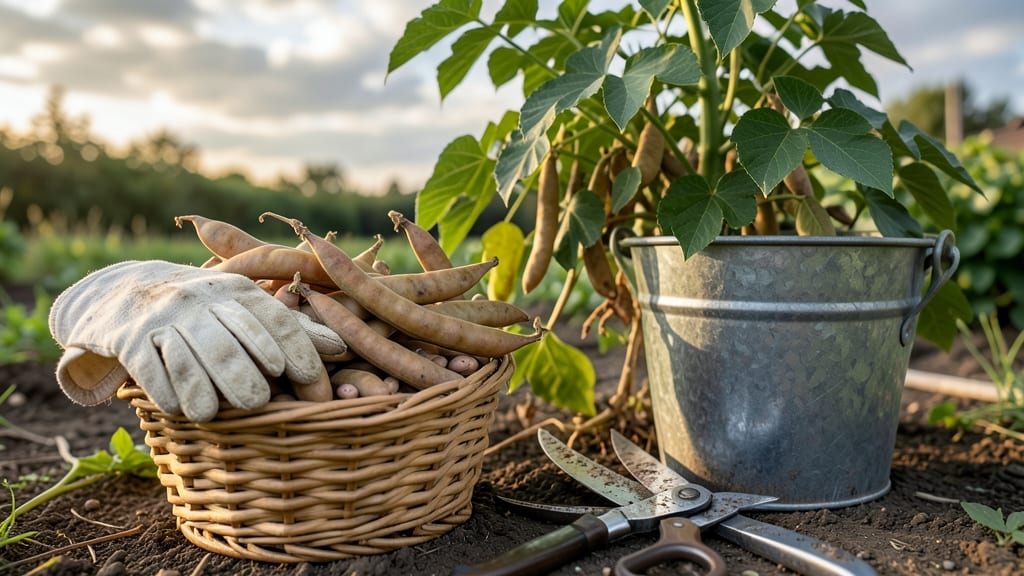
Harvesting pinto beans at the perfect moment turns a handful of pods into a flavor-packed harvest—but timing is everything.
Picture this: you’re reaching for a pod, expecting a tender, creamy bean, only to find it tough and bitter. That’s the difference between a perfect harvest and a missed opportunity. Pinto beans 🌱 don’t wait forever, and once they’re overripe, there’s no going back.
In this guide, you’ll learn the exact visual cues—pod color, size, and even the sound—to know when to pick. We’ll cover the best tools, how to handle them after harvest, and the common mistakes that ruin flavor and texture.
Whether you’re a first-time grower or a seasoned gardener, these tips will ensure your beans are always at their best.
From the moment those first pods form to the final snap of a ripe bean, mastering the seed-to-pod timeline means more beans, better flavor, and a garden you’ll want to return to year after year.
Pinto bean ripeness stages: visual & touch cues for perfect harvest
Harvesting pinto beans at the right moment transforms your garden into a flavor factory. The difference between creamy, tender beans and dry, tough seeds comes down to understanding their ripeness stages.
Each phase offers distinct visual and tactile clues that tell you exactly when to pick. Ignoring these signals can mean losing your harvest to overmaturity or underdevelopment.
From the moment white or lavender flowers appear to the final tan-colored pods, pinto beans undergo dramatic changes. Paying attention to pod color, size, and seed development ensures you harvest at peak texture and flavor.
Even experienced gardeners sometimes miss these subtle cues, leading to wasted effort or disappointment at the dinner table.
🌱
| Stage | Pod Color | Pod Size | Seed Development | Harvest Readiness |
|---|---|---|---|---|
| Flowering | White/Lavender | N/A | No seeds | Not ready |
| Early Pod | Green | 1-1.5 inches | Tiny, pale seeds | Not ready |
| Immature | Greenish-tan | 2 inches | Small, firm seeds | Not ideal |
| Perfect Harvest | Light tan | 2-3 inches | Firm, plump seeds | Ready! |
| Overripe | Dark tan/brown | 3+ inches | Large, hard seeds | Too late |
At the flowering stage, your pinto beans begin their journey with white or lavender blossoms. This is purely a decorative phase—no pods or seeds exist yet. However, this stage marks the start of your 60-100 day countdown to harvest.
Pay attention to how many flowers appear, as each one has the potential to become a pod.
Once flowers fade, green pods begin forming, signaling the early pod stage. These pods are only 1-1.5 inches long and contain nearly invisible seeds. At this point, they’re far from edible—harvesting now would yield bland, watery beans.
Instead, focus on supporting the plant with consistent watering and sunlight to encourage growth.
As pods mature to 2 inches long, they enter the immature stage, where their color shifts to greenish-tan. The seeds inside are now visible but still small and soft.
This is the critical window where many gardeners make mistakes—either harvesting too soon for underdeveloped flavor or waiting too long for overmaturity.
Your ideal harvest window arrives when pods reach 2-3 inches and turn a light tan color. At this stage, the pods should feel firm but not hard when gently squeezed.
Shake a pod near your ear—if you hear a subtle rattle, the seeds are fully developed but still tender. This is the sweet spot for creamy texture and rich flavor.
The overripe stage is easy to spot but hard to recover from. Pods darken to dark tan or brown, become 3+ inches long, and develop large, hard seeds inside. The beans will be dry and tough, with a bitter aftertaste.
Once pods reach this stage, the plant’s energy shifts to seed production, and new pods won’t form until the next season.
Pro tip: Harvest every 2-3 days during peak pod production to encourage continuous flowering and pod development. Use clean pruning shears or your fingers to snap pods gently from the vine.
Avoid tugging, which can damage the plant. Store freshly harvested beans in a cool, dry place for up to a week before processing.
🌿
Optimal harvest timeline: when to pick pinto beans for best flavor
Pinto beans thrive on precision timing—harvest too soon, and you’ll get underdeveloped pods with weak flavor. Wait too long, and they’ll toughen up, losing their signature creamy texture and nutty taste. Understanding the week-by-week growth stages helps you plan for peak harvests, especially when adjusting for your climate zone.
In cool regions (USDA Zones 3-6), pinto beans typically mature between 80-100 days after planting, while warm climates (Zones 7-10) can shave off 10-15 days. Tracking growth stages ensures you catch pods at their ideal ripeness, whether you’re aiming for fresh eating or drying.
🌱 Pinto Bean Harvest Timeline
- 🌱 Weeks 1-3: Seed germination and 2-inch sprouts appear. Focus on even moisture and full sun exposure.
- 🌿 Weeks 4-6: First flowers bloom. Pods form but are tiny and green—not harvestable yet.
- 🌻 Weeks 7-9: Pods reach 1-2 inches and turn light green. Still too early—wait for firmness.
- 🟤 Weeks 10-12: Pods hit 2-3 inches and develop a light tan hue. Rattle test: Shake pods—if seeds move freely, they’re ready!
- ⚠️ Weeks 13+: Overripe pods turn dark brown and leathery. Avoid—flavor and texture decline sharply.
For warm climates, accelerate your timeline by 1-2 weeks. Start harvesting in early July if planted in April, while cool regions may delay harvests until late August or September. Always check for pod firmness—a gentle squeeze should yield slight resistance, not mushiness.
Pro tip: Harvest every 2-3 days during peak production to encourage continuous pod development. Use sharp scissors or pruners to avoid damaging vines. Store freshly picked pods in a cool, dry place for up to 5 days before processing.
Watch for overripeness signs: pods that split open, seeds protruding, or a hard, dry texture. These indicate it’s past prime. In short-season areas, prioritize harvesting early for fresh eating over drying, as later pods may not mature fully.
With this timeline, you’ll transform your garden into a pinto bean powerhouse, ensuring every pod delivers that perfect creamy bite you crave. Happy harvesting! 🌱