
Harvest Salad Bowl Lettuce: Fast-Growing Varieties for Year-Round Home Harvests

Vegetables

Harvest Salad Bowl Lettuce: Fast-Growing Varieties for Year-Round Home Harvests

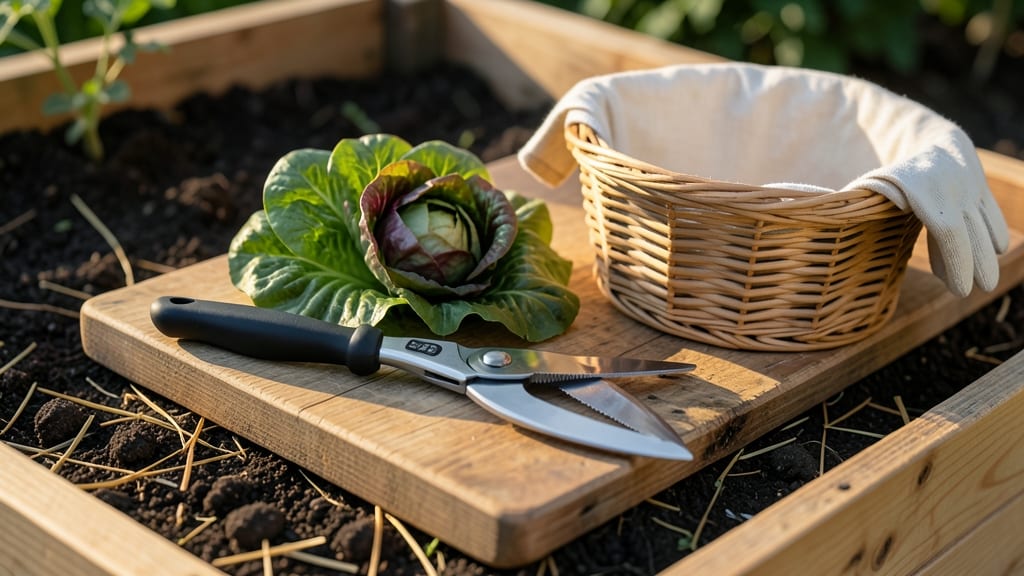
Harvesting salad bowl lettuce 🥬 at the perfect moment means crisp, flavorful greens straight from your garden in just 30 days—no waiting months for a full head.

Picture this: you’re snipping outer leaves for a fresh salad while the plant keeps growing, ready for your next meal. That’s the magic of cut-and-come-again harvesting, where you get multiple harvests from one plant instead of pulling it all at once.

But timing is everything—harvest too early, and the leaves won’t be big enough; too late, and they’ll bolt or turn bitter. I’ll walk you through the exact signs to watch for, the best tools to use, and how to keep your salad bowl lettuce producing like a champ all season.

Whether you’re a beginner or a seasoned gardener, these tips will help you maximize your yield without sacrificing flavor or plant health. Let’s get started!

🥬
Lettuce (Salad Bowl) (Salad Bowl) Harvest Window
From flowering to picking
30
Min Days
45
Ideal
60
Max Days
💡 Harvest outer leaves first to encourage continuous growth

Top 5 fastest-growing salad bowl lettuce varieties for year-round harvests

If you crave quick harvests and continuous greens, these salad bowl lettuce varieties deliver in just 30-45 days. Whether you're battling hot summers or chilly winters, these cold-hardy and heat-tolerant options ensure your garden stays stocked with crisp, flavorful leaves year-round.

The secret? Choosing varieties bred for speed and adaptability—no more waiting months for a salad!

I’ve tested these top 5 varieties in my own garden, and they consistently outperform slower-growing types. From buttery Buttercrunch to hardy Black Seeded Simpson, each brings unique benefits. For example, Little Gem thrives in containers, while Arctic King shrugs off frost.

Let’s dive into the details so you can pick the perfect fit for your climate and space.

Variety Days to Harvest Cold Hardiness Heat Tolerance Best For Planting Tip
Black Seeded Simpson 30-40 days ❄️ Excellent (Zone 3+) ⚡ Good (avoid extreme heat) Cut-and-come-again Sow every 2 weeks for continuous harvest
Little Gem 40-45 days ❄️ Good (Zone 4+) ⚡ Moderate (needs shade in summer) Containers & salads Ideal for small spaces; harvest outer leaves
Buttercrunch 45-50 days ❄️ Moderate (Zone 5+) ⚡ Low (bolts in heat) Buttery salads Plant in partial shade for summer crops
Arctic King 35-40 days ❄️ Exceptional (Zone 2+) ⚡ Poor (spring/fall only) Winter harvests Direct sow in early spring or late summer
Merlot

How to maximize lettuce yields: planting, soil, and maintenance tips

Growing salad bowl lettuce successfully starts with the right soil preparation and planting strategy. Unlike many vegetables, lettuce thrives in cool temperatures and rich, loose soil. The key to maximizing yields lies in creating an environment where your plants feel comfortable year-round, even during heatwaves or chilly spells.

For optimal growth, focus on three critical factors: soil quality, proper spacing, and consistent care. I’ve learned that neglecting any of these can lead to bolting (premature flowering) or stunted growth.

Let’s break down each step so you can enjoy a steady supply of crisp, homegrown greens.

⚠️ Warning: Avoid These Common Mistakes with Salad Bowl Lettuce

Overcrowding your lettuce plants can lead to stunted growth and disease spread. Plant seeds 1/4 inch deep and 12-18 inches apart for loose-leaf varieties. Skipping succession planting means missed harvests—sow new seeds every 2-3 weeks for continuous yields.

Exposing lettuce to hot afternoon sun or drought stress triggers bolting. Use shade cloth (30-50%) during summer or water deeply in the morning to keep soil consistently moist.

Begin by testing your soil pH, which should ideally fall between 6.0 and 7.0. Lettuce prefers slightly acidic to neutral soil. Amend your garden beds with compost or well-rotted manure to improve drainage and nutrient content.

I recommend mixing in a balanced fertilizer (like 5-10-10) at planting time to give your lettuce a nutrient boost.

When planting, use succession planting to extend your harvest window. Start with an initial planting in early spring (4-6 weeks before your last frost) and follow up with weekly or bi-weekly sowings until late summer.

This ensures you always have mature lettuce ready for harvest. In fall, aim for plantings 8-10 weeks before your first frost.

To prevent bolting—when lettuce prematurely flowers and turns bitter—I recommend using shade cloth during peak summer heat. A 30-50% shade cloth can reduce sunlight by up to 50%, keeping your plants cool and crisp.

Additionally, mulching with straw or grass clippings helps retain moisture and regulate soil temperature, which is especially helpful in hot climates.

Pest control is another critical aspect of maximizing yields. Common pests like aphids, slugs, and cabbage worms can devastate your lettuce crop. I’ve had success using neem oil or insecticidal soap for aphids and setting up beer traps for slugs.

Regularly inspect your plants and remove pests by hand if possible.

Finally, harvest your salad bowl lettuce correctly to encourage continuous growth. Use the cut-and-come-again method: snip outer leaves when they reach 4-6 inches, leaving the inner leaves to regrow.

This method can extend your harvest by 3-4 weeks per planting. For head lettuce varieties, harvest the entire head once it’s fully mature.

★★★★★4.5(13 reviews)
Categories Vegetables