
Vegetables
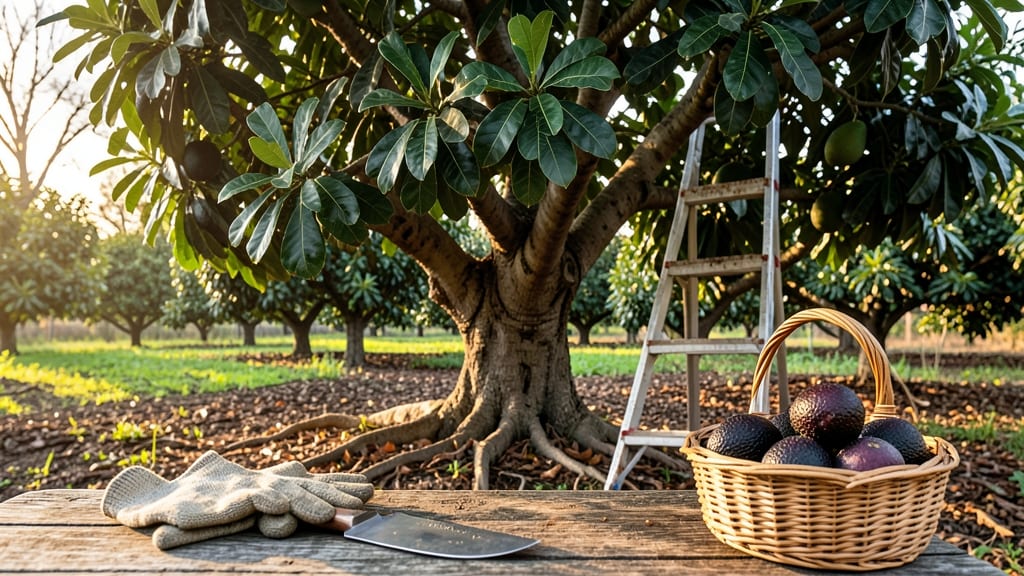
Knowing the harvest time for avocados is the secret to that perfect creamy texture you love in guacamole or toast toppings.
Avocado lovers know the frustration of biting into a fruit that’s either rock-hard or mushy—timing your harvest perfectly ensures that buttery, rich flavor you crave. But how do you know when your 🥑 is ready to pick?
For home gardeners in zones 9b-11 (and with protection in 8a-8b), the ideal harvest window spans year-round, but peak flavor arrives 12-18 months after flowering.
Look for darkening skin, a gentle give when pressed, and a stem that detaches easily—these are your cues that nature’s timing is just right.
In this guide, I’ll walk you through the exact signals to watch for, regional tweaks for your climate, and pro tips to store your harvest so it ripens to perfection at home.

How to determine the exact harvest time for avocados by fruit and tree signals
Picking avocados at the right moment transforms your tree's bounty into creamy, flavorful fruit instead of disappointingly hard or overly soft specimens. Unlike store-bought avocados that ripen after picking, homegrown varieties must be harvested at peak maturity for optimal texture and taste.
The key lies in observing three critical signals: fruit color, stem response, and seasonal timing based on your climate zone.
Most avocado varieties take 12-18 months from flowering to harvest, but this varies by cultivar. For example, Hass avocados (the most common) typically mature between 14-16 months, while Fuerte or Reed varieties may take slightly longer.
Understanding these timelines helps you anticipate when to begin checking for harvest readiness, especially in USDA zones 9b-11 where avocados thrive year-round.
| Harvest Cue | Visual Description | Action Required | Best Time to Harvest |
|---|---|---|---|
| Fruit Color | Dark green to purple-black (Hass) or yellow-green (Fuerte) | Inspect 2-3 fruits per tree weekly | Late morning on sunny days |
| Stem Detachment | Stem separates cleanly with slight twist (no force needed) | Gently twist fruit while holding branch | Early morning (cooler temps) |
| Fruit Weight | Feels heavy for size (indicates high oil content) | Compare to nearby unripe fruit | Any time after color change |
| Seasonal Timing | Peak in late winter/early spring (varies by region) | Check local climate patterns | January-March (California); April-June (Florida) |
The stem twist test is your most reliable indicator—when the fruit detaches with minimal force, it’s ready to pick. I always perform this test by holding the fruit between my thumb and forefinger while gently twisting my wrist.
If the stem snaps cleanly at the branch (not the fruit), it’s time to harvest. This method works for all varieties, including dwarf avocado trees commonly grown in containers.
Fruit color provides secondary confirmation. Hass avocados develop a deep purple-black skin when ripe, while Fuerte varieties turn yellow-green. However, color alone isn’t sufficient—always combine it with the stem test.
For example, a Hass avocado might look ready at 14 months but still need 2-4 more weeks if the stem doesn’t detach easily.
Seasonal timing varies by climate zone and variety. In California’s coastal regions (Zone 9b), harvest peaks from January to March, while Florida’s warmer zones (10a-11) see peak harvests from April to June.
I recommend marking your tree’s flowering date and adding 14-16 months to estimate your first potential harvest window. This helps you stay vigilant during peak seasons.
One common mistake is harvesting based solely on fruit size. While mature avocados typically reach 6-12 inches in length, some varieties (like Bacon avocados) can grow larger without being fully ripe.
Always prioritize the stem detachment test over size measurements. I’ve seen 10-inch avocados that were still unripe because they hadn’t developed the proper internal oil content.
Temperature also affects harvest timing. In cooler microclimates (like inland Southern California), avocados may take 2-4 weeks longer to mature compared to coastal areas.
If you notice your tree’s fruit changing color more slowly, consider protecting it from cold snaps (below 32°F) with frost cloth or moving potted trees indoors during winter.
For container-grown avocados, harvest timing may shift slightly due to root restriction. Potted trees often produce fruit that matures 1-2 weeks earlier than in-ground trees. I recommend checking for readiness 1-2 weeks ahead of your expected harvest window when growing in containers.
Always ensure your pot has drainage holes and use a well-draining cactus/succulent mix to prevent root rot.
After harvesting, place avocados in a cool, dark place (55-65°F) to slow ripening. Most homegrown varieties will ripen in 3-7 days at room temperature once harvested.
The ethylene gas produced by nearby fruits (like apples or bananas) can speed up ripening—just place a ripe banana near your avocados to encourage faster softening if needed.
Mastering avocado harvest timing takes practice, but observing these visual and seasonal cues will dramatically improve your success rate. Start checking your tree’s fruit monthly after 12 months of growth, and you’ll soon develop an intuitive sense for when your avocados are ready to pick.
With patience and attention to detail, you’ll enjoy homegrown avocados with richer flavor and creamier texture than anything you’ve bought at the store. 🥑
Best practices for storing and ripening avocados after harvest
Once you’ve harvested your avocados at the perfect harvest time, proper storage is key to achieving that creamy texture we all love. Unlike many fruits, avocados don’t ripen on the tree—they need post-harvest care to develop their signature buttery goodness.
I’ve learned that even a 1-2°F temperature shift can dramatically affect ripening speed and quality.
Start by handling your avocados with care—avoid bruising the skin, as this speeds up spoilage. Place them in a paper bag with a banana or apple to harness natural ethylene gas, which accelerates ripening.
This simple trick works wonders for home gardeners who want consistent results without fancy equipment.
If you’re storing avocados for long-term preservation, separate them by ripeness. Place firm but ripe avocados in a paper bag with an apple to speed up softening, while unripe avocados should go straight into the fridge.
Check them every 2-3 days to monitor progress—over-ripening leads to brown flesh and waste.
For the creamiest texture, ripen avocados at room temperature until they yield slightly to gentle pressure. Once ripe, store them in the fridge to slow oxidation (the browning process).
To extend freshness, sprinkle lemon or lime juice on the cut surface and wrap tightly with plastic wrap. This keeps them looking fresh for 3-5 days in the fridge.
Did you know? Avocados continue to ripen after harvest, but their peak flavor occurs when they’re firm but not hard. Overripe avocados lose their rich taste and develop a fermented smell.
Always taste-test a small slice before committing to the whole fruit—this ensures you’re enjoying avocados at their absolute best.
For gardeners with a large harvest, consider freezing avocado slices in an airtight container with a lemon juice barrier. This preserves their nutritional value and creamy texture for up to 6 months. Just thaw overnight in the fridge before using to avoid texture loss.