
Vegetables
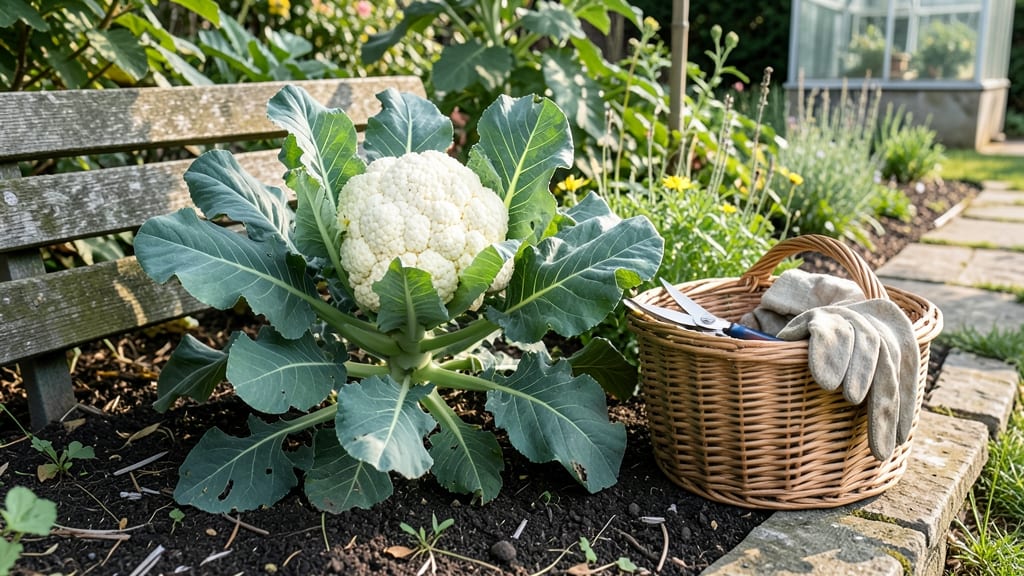
Timing the harvest time for cauliflower means the difference between a tender, snow-white head and one that’s tough, bitter, or bolted to seed.
Picture this: you’ve nurtured your 🥬 from seed, kept the soil moist, and shielded it from heat—only to hesitate at the last moment. That’s the moment most gardeners miss the sweet spot. The key? Watching for those tight, creamy curds and yellowish-green leaves that signal it’s ready now, not tomorrow.
In Zone 6, your window runs from late June through August, but early varieties may mature sooner. The trick is checking the head’s firmness and size—6-8 inches across, with leaves still snug—before the florets start turning yellow.
Skip this step, and you’ll end up with a head that’s either too small or woody.
Below, I’ll walk you through the exact visual cues, how to handle different varieties, and what to do if you’ve already missed the boat. By the end, you’ll know exactly when to grab your knife and why timing matters more than you think.

How to identify perfect cauliflower harvest time by curd and leaf color
Timing your cauliflower harvest correctly ensures you enjoy tender, flavorful curds instead of tough, bitter ones. The key lies in observing three critical visual cues: head size, leaf color, and curd firmness.
These signals work together to tell you when your cauliflower is ready to pick—before it overmatures or bolts in hot weather.
Most cauliflower varieties reach harvest readiness between 75-100 days after planting, but environmental factors like temperature fluctuations and daylight hours can shift this window. For example, late-spring plantings may mature faster in mild coastal climates, while summer heat can delay or stress the crop.
Paying attention to these visual cues helps you adapt to your local growing conditions.
🌱
The leaf color is one of the most overlooked but reliable indicators. As your cauliflower nears harvest, the outer leaves transition from deep green to yellowish-green. This color shift signals the plant is redirecting energy to the curd, not the foliage.
If the leaves stay vibrant green, the head likely needs more time to firm up.
For purple or orange varieties, the color change is even more dramatic—the heads deepen in hue while the surrounding leaves fade. This visual contrast makes it easier to spot the perfect moment.
In cool, cloudy climates, this color shift may happen more gradually, so don’t rush the harvest based solely on calendar days.
Size matters too—aim for a 6-8 inch diameter head. Smaller heads (4 inches or less) are usually underdeveloped, while larger ones (>8 inches) risk becoming woody or bitter. Measure your cauliflower against a ruler or compare it to a tennis ball (8 inches) for a quick reference.
Some dwarf varieties may mature slightly smaller, so always check your seed packet for variety-specific guidelines.
Don’t ignore the texture test: gently press the curd with your thumb. It should feel firm but slightly yielding, like a ripe avocado. If it’s rock-hard, it’s past its prime; if it’s mushy, it’s still developing.
This tactile check works best in the morning after watering, when the plant is hydrated and at its firmest.
Seasonal variations play a huge role. In hot climates (like USDA Zone 9+), cauliflower may mature faster due to longer daylight hours, while northern regions (Zone 4-6) often see delayed harvests until late summer.
If you’re growing in short-day varieties, watch for bolting—the plant’s way of signaling it’s time to flower instead of producing a head.
Climate also affects leaf color. In humid areas, leaves may develop yellowing edges from fungal pressure, while dry climates can cause premature browning. Always harvest on a dry, sunny morning to minimize stress on the plant and ensure the curd stays crisp.
If your region experiences unpredictable weather, consider using shade cloth to protect maturing heads from heat stress.
For continuous harvests, some varieties produce side shoots after the main head is cut. These smaller curds follow the same color and size rules but may take 2-3 weeks longer to mature.
Keep an eye on the plant’s energy—if the leaves start yellowing or wilting after the first harvest, the plant may be exhausted and won’t produce a second head.
🌿
Step-by-step guide to harvesting cauliflower without damaging the plant
Harvesting cauliflower at the right moment ensures a tender, flavorful head while protecting your plant for potential side-shoot regrowth. The key lies in precise cutting techniques and recognizing subtle maturity signals that many gardeners overlook.
A sharp knife and gentle hands prevent stress, while proper post-harvest care keeps your plant productive for weeks longer.
Start by confirming your cauliflower is ready: the head should measure 6-8 inches in diameter with tightly wrapped yellowish-green leaves. If you wait too long, the florets turn yellow and bitter, ruining your harvest.
Even experienced gardeners sometimes struggle with oversized heads—here’s how to handle them without sacrificing future yields.
How to Harvest Cauliflower Without Damaging the Plant
- 1 Choose the right tool: Use a sharp chef’s knife or pruning shears to make a clean cut. Dull blades crush stems and invite disease.
- 2 Cut 1-2 inches below the head: Angle your blade at a 45-degree to avoid tearing leaves. Leave 2-3 outer leaves intact to protect the stem.
- 3 Handle oversized heads: If your head exceeds 8 inches, trim it down to 6 inches for better flavor. The remaining plant may produce 2-3 smaller side shoots in 2-3 weeks.
- 4 Post-harvest care: Water the plant deeply within 24 hours to encourage regrowth. Remove any yellowing leaves to reduce stress.
- 5 Store properly: Wrap harvested heads in a damp paper towel and refrigerate for up to 5 days. For longer storage, blanch and freeze.
One common mistake is cutting too close to the stem, which exposes the plant to rot. Always leave a 1-inch stem stub to maintain structural integrity.
If your cauliflower develops yellow florets, it’s past its prime—but don’t toss it! These can be roasted or used in soups for a nutty flavor.
After harvesting, monitor your plant closely. Within 10-14 days, you may spot side shoots forming at the base. These smaller heads are often sweeter and perfect for quick stir-fries. To maximize your yield, avoid over-fertilizing post-harvest, as this can lead to bitter regrowth.
Pro tip: Harvest early in the morning when temperatures are cool. This preserves the crisp texture and extends shelf life. With these techniques, you’ll turn a single cauliflower plant into a multi-harvest powerhouse all season long. 🌱