
Propagation
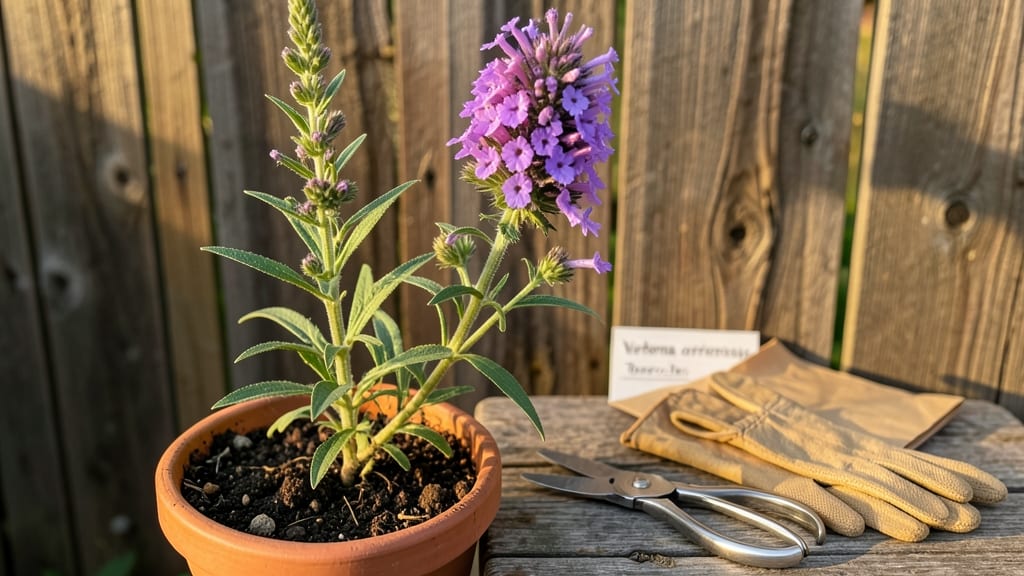
Harvesting verbena seeds 🌸 at the right time means the difference between next year’s lush blooms and a bag of useless fluff.
You’ve spent all summer admiring your vibrant verbena, but those tiny seeds inside the flowers hold the key to free plants for years to come. The catch? Waiting too long or picking them too soon can ruin their germination potential.
In this guide, I’ll walk you through the exact window for harvesting—typically late summer when the flowers fade but before frost—plus the tools and drying tricks that keep seeds viable for planting.
Skip the guesswork and learn how to collect, store, and plant verbena seeds like a pro, so you’re not left with a pile of dried petals instead of new growth.
Best time to harvest verbena seeds for high germination rates
Timing is everything when harvesting verbena seeds—collect them too early, and you’ll end up with immature seeds that won’t germinate. Too late, and they may shatter or lose viability. The optimal window is late summer to early fall, when flowers have fully matured but before the first frost.
This period ensures seeds reach peak germination potential while avoiding harsh weather conditions that can damage them.
Look for fully open blooms with deep, consistent color—these are your telltale signs. The seeds inside will have transitioned from white or pale green to a brownish or tan hue, indicating they’re ready for harvest.
If you miss this window, seeds may dry out on the plant or become too brittle, reducing their chances of sprouting next season.
Cooler fall temperatures also signal it’s time to harvest. Verbena plants naturally slow down as days grow shorter, and this shift triggers seed maturation. Aim to collect seeds before first frost dates (typically mid-October in most USDA zones), as freezing temperatures can kill seeds or cause them to sprout prematurely.
Environmental cues like dry, crisp air and reduced humidity further confirm the ideal harvest time. These conditions help seeds dry naturally on the plant, which is crucial for preventing mold during storage.
If you notice seed pods splitting open or seeds scattering on their own, act quickly—they’re ready to be collected before they’re lost to wind or wildlife.
Harvesting at the right time also depends on your local climate. In warmer zones (USDA 9-11), you may extend your window into early November, while cooler zones (USDA 3-6) should aim for mid-September to avoid early frosts.
Pay attention to vernalization cues—verbena seeds often need a period of cold stratification to germinate successfully, so harvesting before winter sets in gives them the best chance.
Pro tip: Use a mesh bag or paper envelope to label seeds by harvest date. This helps track which batches are freshest and most likely to germinate.
Store them in a cool, dry place (like a seed vault or refrigerator) until you’re ready to sow them in early spring, when soil temperatures rise to 60°F or warmer.
If you miss the ideal window, don’t despair—verbena seeds can sometimes survive one frost if collected promptly. However, germination rates may drop by 30-50%. For best results, prioritize harvesting during that late-summer to early-fall sweet spot when seeds are ripe but the weather is still mild.
Remember, patience is key with verbena seeds. Rushing the harvest or waiting too long can mean the difference between a lush, vibrant garden next year and a disappointing batch of non-viable seeds.
Take your time observing the plants, and you’ll reward yourself with healthy, thriving verbena seedlings ready to bloom again.
For extra assurance, conduct a germination test on a small sample of seeds before storing the rest. Place 10-20 seeds on a damp paper towel in a sealed bag for 7-10 days.
If 70% or more sprout, your harvest was successful. If not, adjust your timing for next year’s collection.
Step-by-step guide to properly collect and dry verbena seeds
Once you’ve identified the perfect verbena flowers for seed harvesting, the next critical step is collecting and drying the seeds correctly. Improper handling can lead to mold, poor germination, or wasted effort.
I’ll walk you through the exact process I use—from harvesting mature seed heads to storing them for next season.
Start by gathering your tools of the trade: a pair of clean scissors or pruners, small paper bags (or mesh screens), and a well-ventilated drying area. The goal is to remove seeds from their flower heads while preserving their viability.
Skipping this step can leave you with seeds that won’t sprout or worse, attract pests.
-
Step 1: Harvest Seed Heads
Cut mature verbena flower heads when they've turned brown and dried on the plant. Use clean scissors to avoid contaminating the seeds. -
Step 2: Remove Petals
Gently rub or brush off wilted petals to expose the tiny seeds inside. Place flower heads in a paper bag and shake lightly to release seeds. -
Step 3: Clean Seeds
Use a mesh screen or fine sieve to separate seeds from debris. Discard any discolored or damaged seeds—they won’t germinate. -
Step 4: Dry Seeds
Spread seeds on a paper towel in a dry, shaded area with 40-50% humidity. Stir occasionally to prevent clumping. Drying takes 1-2 weeks. -
Step 5: Store Properly
Once fully dry, store seeds in a paper envelope or airtight container in a cool, dark place. Label with the harvest date—verbena seeds stay viable for 2-3 years.
Pay close attention to the humidity levels during drying—too much moisture causes mold, while too little can shrink the seeds. I always keep my seeds in a well-ventilated spot like a screen porch or a dehumidifier tray to maintain that 40-50% humidity sweet spot.
After drying, store your seeds in paper envelopes rather than plastic bags. Paper allows for better airflow, which prevents moisture buildup and extends seed life. Label each envelope with the harvest year and verbena variety to keep track of your collection.
With these steps, you’ll have a stash of high-quality verbena seeds ready for next season’s garden. Proper drying and storage mean you won’t waste time or money buying new plants—just replant and enjoy the cycle again! 🌱