
How To
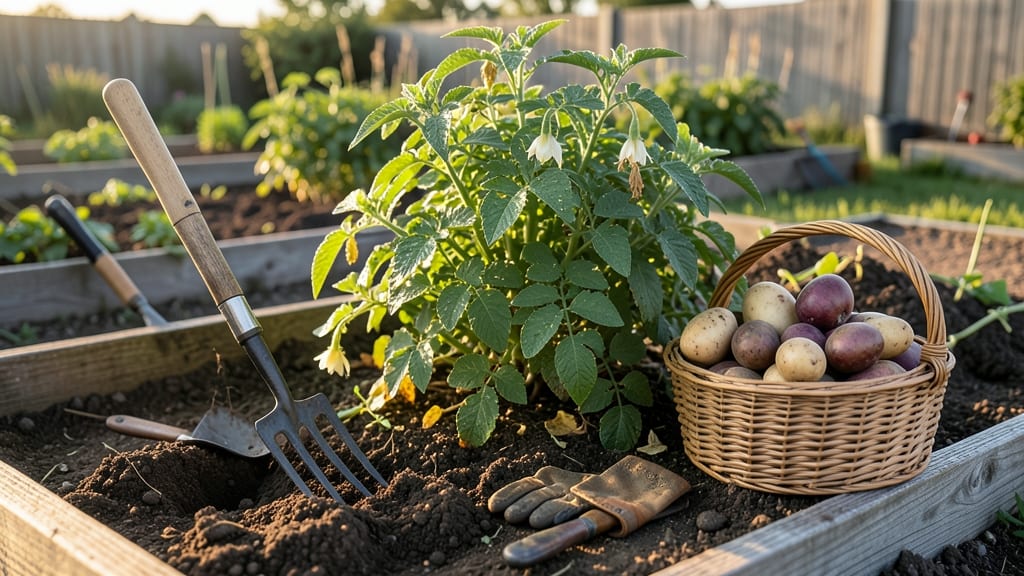
Harvesting potatoes at the right time ensures you get the biggest, most flavorful tubers 🥔 — and waiting too long means smaller yields and tougher skins.
Wondering when to dig up your potatoes for the biggest, most flavorful harvest? Timing is everything—and getting it wrong could mean missing out on a bountiful yield.
Most varieties are ready 90-120 days after planting, but the real clues lie in the foliage. When the leaves turn yellow and die back, it’s your signal to start digging.
Below, I’ll break down the exact signs to watch for, regional adjustments, and how to handle post-harvest care for storage or immediate cooking.
When to harvest potatoes based on foliage and growth stage
Timing your potato harvest correctly ensures you get the best flavor, largest tubers, and maximum yield. Potatoes fall into two distinct harvest categories: new potatoes (early harvest) and main crop potatoes (full maturity). Each requires different timing based on foliage changes and growth stages.
For new potatoes, the window opens just 4-6 weeks after planting when tubers reach finger-sized (about 1-2 inches). These are perfect for quick meals but won't store long-term.
The main crop harvest, however, happens later when foliage fully yellows and dies back—a sure sign tubers have reached peak size and flavor.
Regional climate plays a huge role in harvest timing. In cooler climates (USDA Zones 3-5), potatoes may take 90-120 days to mature, while warmer zones (6-8) might see harvests in 60-90 days. Always adjust based on your local frost dates and variety maturity ratings.
Here’s a quick reference to help you plan your harvest schedule:
| Harvest Type | Time After Planting | Foliage Condition | Tuber Size | Best For |
|---|---|---|---|---|
| New Potatoes | 4-6 weeks | Healthy green foliage | 1-2 inches | Fresh eating, salads |
| Main Crop | 90-120 days | Yellowed, dying back | 2-3+ inches | Storage, cooking |
| Late Harvest | After first frost | Fully dead foliage | 3+ inches | Long-term storage |
If you’re growing early-maturing varieties like Yukon Gold or Red Pontiac, you can start checking for new potatoes as early as 40 days.
For late varieties like Russet or Kennebec, wait until foliage turns completely brown and crispy—this usually happens 2-3 weeks before the first frost in your area.
In warmer climates, potatoes may sprout or rot in the soil if left too long. Watch for green sprouts on tubers or soft spots, which signal it’s time to harvest.
Conversely, in cooler regions, a light frost can actually sweeten the tubers, making them even more flavorful.
For container-grown potatoes, harvest timing is similar, but check tubers more frequently since pots dry out faster. Once foliage yellows, gently tip the pot to see if tubers are ready. If they’re small, leave them in the ground for another 1-2 weeks.
Pro tip: If you’re unsure whether tubers are ready, dig up one plant to check. This lets you confirm size and flavor without committing to a full harvest. Store any oversized tubers for cooking and leave smaller ones in the ground to mature further.
Remember, harvesting too early results in small, underdeveloped potatoes, while waiting too long can lead to sprouting or disease. Pay close attention to your plants’ foliage signals and adjust based on your local growing season.
Signs your potatoes are ready for harvesting (and what to avoid)
Knowing when to harvest potatoes is the key to avoiding shriveled tubers or missed yields. The best time depends on whether you're harvesting new potatoes (small, tender ones) or mature potatoes (fully developed tubers).
For new potatoes, look for finger-sized tubers around 4-6 weeks after planting, but timing varies by variety and climate.
For the main harvest, wait until the foliage yellows completely and dies back—this usually happens 70-120 days after planting. The skin should toughen, and tubers should be 2-3 inches in diameter.
Harvesting too early means small potatoes, while waiting too long can lead to sprouting tubers or disease risk from rotting foliage.
⚠️ callout-warning
Digging potatoes before foliage dies back (green stems) risks green tubers, which contain toxic solanine. Waiting too long after foliage dies can cause tubers to sprout or rot. For most varieties, aim for 10-14 days after full dieback for peak flavor and storage quality.
🌱 Pro Tip: Test a few tubers by gently brushing away soil—if they're 2+ inches and firm, it's harvest time!
Check the soil conditions before digging—dry soil makes tubers easier to harvest. If the ground is too wet, you risk bruising potatoes or damaging tubers. A light rain 1-2 days before harvest helps loosen the soil without over-saturating it.
For container-grown potatoes, harvest when the top foliage collapses or the container feels light when lifted.
Watch for regional climate cues: In cooler zones (USDA 3-5), potatoes may mature slower, so extend your harvest window by 1-2 weeks. In warmer climates (USDA 8-10), foliage may die back faster—harvest within 7-10 days of yellowing to avoid tuber spoilage.
Always dig in the morning when soil is cooler to reduce stress on the tubers.
One common mistake is digging based on days after planting without checking foliage. Some varieties, like Yukon Gold, mature faster than Russet potatoes, so foliage cues matter more than a rigid timeline.
Another pitfall is harvesting all tubers at once—leave a few in the ground for storage potatoes if you won’t use them immediately.
After harvesting, cure potatoes for 1-2 weeks in a dark, humid space (55-60°F) to toughen skins and improve storage life. Avoid washing tubers until ready to use—moisture speeds up rot. Store in a cool, dry place with good airflow to keep them fresh for months.