
How To
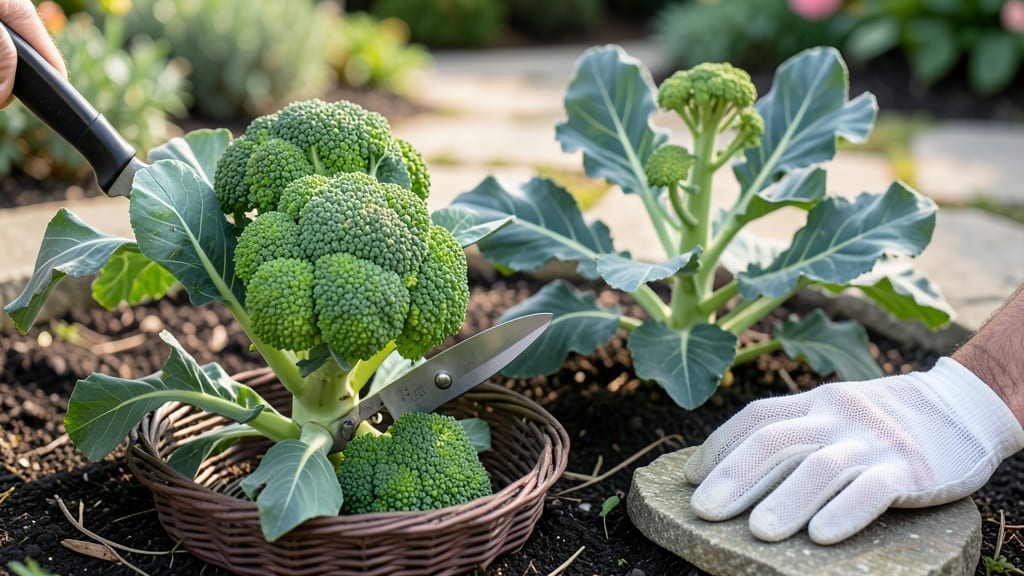
Harvesting broccoli at the right time means the difference between a flavorful, crisp side dish and a bitter, woody disappointment 🥦 — and the window is narrower than you think.
If you’ve ever pulled a head too early only to watch it bolt into flower buds, or waited too long and ended up with a tough, yellowing mess, you know timing is everything.
The secret lies in those three critical growth stages, each with its own visual cues and ideal harvest window.
From the first tight florets to the final side shoots, I’ll walk you through how to spot peak maturity—when the head is firm, compact, and deep green—so you never miss the sweet spot again.
Plus, I’ll share how to encourage regrowth for a second harvest, because why stop at one?
By the end, you’ll know exactly when to grab your shears, how to read your plants like a pro, and which varieties play by different rules. Let’s get growing!
Broccoli growth stages: when to expect harvest-ready heads
Timing your broccoli harvest correctly means the difference between a flavorful, crisp head and a bitter, woody mess. Broccoli grows through three distinct stages—each with specific days-to-harvest benchmarks and visual cues. Understanding these phases helps you avoid common mistakes like over-maturity or premature picking, which ruins both taste and texture.
From seedling to maturity, broccoli typically takes 45–90 days to reach harvest, depending on the variety. Early varieties like Calabrese may mature in as few as 45 days, while slower types like Purple Sprouting can take up to 90 days.
Knowing these timelines helps you plan your garden layout and succession plantings for a continuous harvest.
Here’s a quick breakdown of the three growth stages and their key visual cues to watch for:
The seedling stage is all about establishing strong roots and leaves. During these first 30 days, your broccoli plants focus on building a sturdy base. Thin seedlings to 12–18 inches apart to give them room to grow and reduce competition.
This stage is critical—weak seedlings struggle to support the heavy harvest-ready heads later on.
Once your plants enter the head formation stage (around 30–60 days), you’ll notice the iconic broccoli head emerging. At this point, the head should be 4–6 inches in diameter and tightly packed with deep green florets.
This is when consistent watering and fertilization are non-negotiable—skipping either can lead to stunted growth or poor-quality heads.
By the time broccoli reaches maturity (typically 60–90 days), the head should be 6–8 inches wide and firm to the touch. The florets should remain tightly clustered, with no signs of yellow buds or opening.
If you spot yellow flowers, it’s a clear sign the head has over-matured and is past its prime for harvesting.
Pro tip: Harvest your broccoli early in the morning when temperatures are cooler. This preserves crispness and flavor. Use a sharp knife to cut the head 1–2 inches above the base, leaving the stem intact.
This encourages side shoots to form, giving you a second harvest in 5–7 weeks.
If you miss the main head, don’t panic—broccoli often produces secondary shoots along the stem. These smaller heads are still edible and can extend your harvest season by weeks. Just keep an eye on them and harvest when they reach 3–4 inches in diameter.
Common mistakes to avoid include harvesting too early (heads won’t be fully flavorful) or waiting too long (florets turn bitter and woody). Pay attention to the color and firmness of the florets—these are your best indicators of readiness.
With the right timing, you’ll enjoy homegrown broccoli that’s sweeter and more flavorful than store-bought.
🌱
How to tell when broccoli is perfectly ripe for harvesting
Harvesting broccoli at the right moment makes all the difference between a crisp, flavorful head and one that’s woody or bitter. The key lies in three simple visual cues: head size, color intensity, and floret tightness.
When these align, you’ve hit the sweet spot for peak harvest. I’ve learned that even a day or two past this window can turn your perfect broccoli into something less desirable.
Start by checking the main head’s diameter, which should measure between 6-8 inches when fully formed. This size ensures the florets are large enough to be satisfying but haven’t started converting starches into sugars, which happens as they mature further.
The stem color should be a vibrant green, not yellowing or woody—this is your first warning sign that the plant is overdue for harvest.
⚠️ callout warning ⚠️
🚨 Harvest Too Late = Bitter Broccoli!
Broccoli heads left on the plant for more than 2-3 days past maturity will develop yellow flowers and turn bitter or stringy. The florets will also loosen and spread, losing their compact, tree-like shape. If you see tiny yellow buds at the center of the head, it’s already past its prime!
Next, examine the floret tightness. Perfectly ripe broccoli will have florets that are firm to the touch and tightly packed together. If you can easily separate the individual buds with your fingers, the head has opened too much and is no longer ideal for harvest.
I always do a quick squeeze test—if it feels spongy, it’s time to pick it.
Don’t forget to check the side shoots that will emerge after harvesting the main head. These smaller stems can produce secondary harvests if given proper care. Once the main head is cut, keep the plant well-watered and fertilized to encourage new growth.
These side shoots typically take 5-7 weeks to reach harvest size, giving you an extended window to enjoy fresh broccoli from a single plant.
For cool-season varieties, like Calabrese, aim to harvest in the morning after dew has dried to preserve crispness. If you’re growing Purple Sprouting types, wait until the heads turn a deep purple-green hue—they’re often harvested later in the season when other varieties have bolted.
Always use a sharp knife or pruners to cut the stem about 5-7 inches below the head to encourage stronger regrowth.
Pro tip: If your broccoli heads are forming too slowly, check your soil nitrogen levels—a balanced fertilizer can speed up growth. But avoid over-fertilizing, as this can lead to leafy growth at the expense of the head.
With the right timing and care, you’ll enjoy a steady supply of homegrown, restaurant-quality broccoli all season long!