
How To
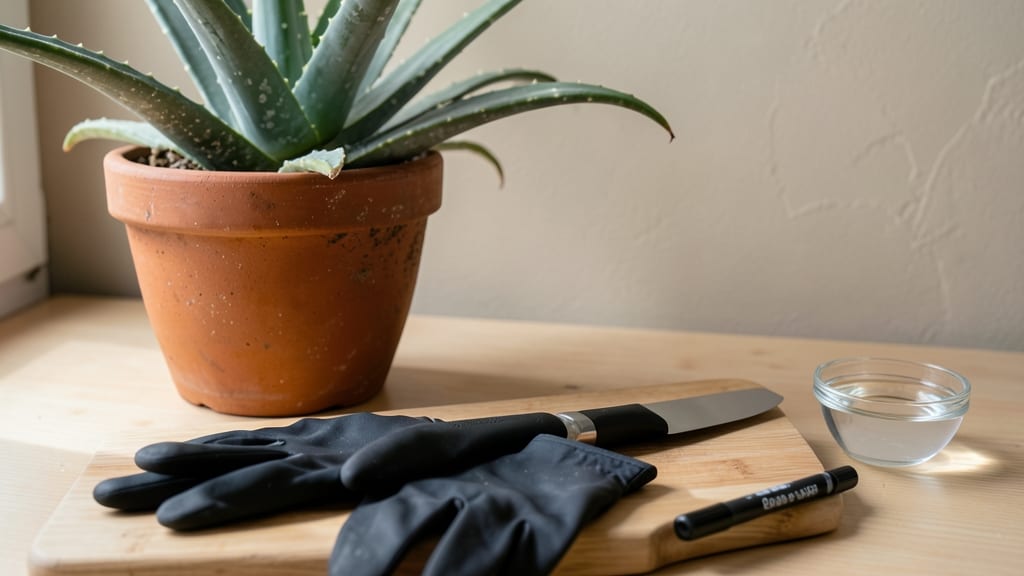
Harvesting aloe vera leaves the right way ensures you get the most soothing gel without harming your plant 🌱 — and timing, tools, and technique make all the difference.
Struggling to get the most from your aloe vera plant? Harvesting the right leaves at the perfect time can mean the difference between bitter gel and the highest-quality, soothing extract—here’s how to do it right.
First, you’ll need to spot mature leaves—thick, plump, and at least 8 inches long—then use a clean knife to cut them close to the base at a 45-degree angle.
In this guide, I’ll walk you through every step, from when to harvest to storing your leaves for fresh gel, plus the biggest mistakes to avoid.
When and how to identify mature aloe vera leaves for harvesting
Harvesting aloe vera leaves at the right time ensures you get the highest-quality gel while keeping your plant healthy. The key is identifying mature leaves—not all leaves are ready for cutting.
A well-timed harvest gives you thick, gel-rich leaves without stressing the plant. Let’s break down how to spot them and when to harvest for maximum yield.
First, focus on the outer leaves of your aloe vera plant. These are the oldest and have had the most time to store nutrients and gel. A mature leaf should be at least 8-12 inches long, thick (1+ inch wide), and fully upright.
Avoid leaves with brown edges or soft spots, as these indicate stress or decay. The best leaves are firm, smooth, and pull away easily from the base.
Seasonally, the ideal harvest time is during the plant’s active growth phase, typically in spring or early summer. This is when the aloe vera has plenty of energy to regenerate new leaves.
In cooler climates (USDA Zone 6 and below), avoid harvesting in winter months when growth slows. If you live in a warmer climate, you can harvest year-round as long as the leaves meet the maturity criteria.
Here’s a quick reference to help you identify ready-to-harvest leaves versus those that need more time:
| Leaf Characteristic | Ready for Harvest | Not Ready |
|---|---|---|
| Length | 8-12+ inches | Under 6 inches |
| Thickness | 1+ inch wide | Thin or flimsy |
| Color | Green with no brown edges | Brown or yellow edges |
| Texture | Firm and plump | Soft or mushy |
| Ease of Removal | Pulls away easily | Sticks tightly to plant |
| Plant Age | 18-24 months old | Under 12 months |
Aloe vera plants typically reach maturity in 18-24 months, which is when their leaves are gel-rich and ready for harvest. If your plant is younger than 12 months, hold off on harvesting—immature leaves yield less gel and can harm the plant’s growth.
For established plants, aim to harvest no more than 1/3 of the outer leaves at a time to avoid overstressing the plant.
Another key indicator is the number of mature leaves on your plant. A healthy aloe vera should have 6-8 mature leaves before you harvest. If you’re unsure, count the leaves: start from the outermost layer and work inward.
Only harvest leaves that are fully detached or easily removable—never cut into the central rosette, as this is the plant’s growth center.
Timing your harvest correctly also depends on the season and climate. In warm climates (Zones 8-11), you can harvest year-round, but spring and summer are ideal for maximum gel production.
In cooler climates (Zones 6-7), wait until late spring or early summer when the plant is actively growing. Avoid harvesting in winter, as the plant’s growth slows, and the gel may be less potent.
Pro tip: If your aloe vera has flowering stalks, this is a sign of maturity and a great time to harvest. The plant is putting extra energy into leaf and gel production, making the gel even more concentrated and beneficial.
Just be sure to harvest the leaves before the flowers fully bloom to maintain the plant’s energy balance.
Finally, always inspect your plant for signs of stress before harvesting. If the leaves are yellowing, shriveled, or have sunburn spots, delay harvesting until the plant recovers.
A healthy aloe vera will bounce back quickly after a proper harvest, but a stressed plant may take longer to regenerate new leaves. With these tips, you’ll always know when and how to harvest perfectly mature aloe vera leaves for the best results! 🌱
Step-by-step leaf cutting technique for safe and efficient harvesting
Harvesting aloe vera leaves correctly ensures your plant stays healthy while maximizing the quality of the gel you extract. The right technique prevents damage, contamination, and even plant death. I’ve perfected this method over years of growing aloe vera, and today, I’ll share my foolproof approach with you.
First, you’ll need the right tools to make clean cuts without harming the plant. A sharp, sterile knife or pruning shears is essential—dull tools crush leaves, making the gel bitter. I always sterilize my tools with rubbing alcohol before cutting to prevent bacterial infections from spreading to your aloe vera.
Now, let’s dive into the step-by-step process. Follow these instructions carefully to harvest your aloe vera leaves like a pro.
Never harvest more than one-third of the leaves at a time to avoid stressing your aloe vera. Over-harvesting can weaken the plant and reduce future yields. I recommend harvesting every 6-12 months for optimal growth and gel production.
Once you’ve mastered this technique, you’ll always get the highest-quality aloe vera gel from your plant. The key is patience and precision—just like any good gardener knows! 🌱