
How To
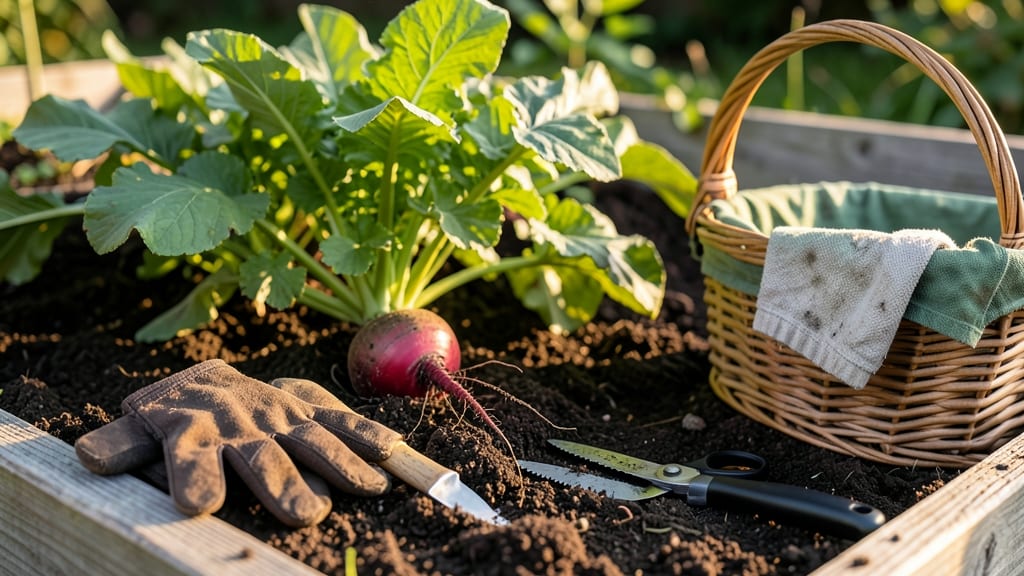
Harvesting and storing beetroot at the right time preserves its sweetness and texture for months—here’s exactly how to do it without waste.
If you’ve ever pulled a beetroot too early and found it woody or too late and caught a frost bite, you know timing is everything 🍠. The secret lies in color, size, and soil conditions, not just days after planting.
Below, I’ll walk you through the visual cues that guarantee a perfect harvest, plus the best storage tricks to keep your roots crisp and flavorful for up to six months.
Most gardeners miss the ideal window—between 60 and 70 days—because they focus on calendar dates instead of the plant’s signals. A deep, even hue and a diameter of 1.5 to 3 inches mean it’s ready, while pale or uneven roots need more time.
I’ll show you how to test for doneness and avoid the two biggest mistakes that turn beets rubbery or bitter.
Once harvested, your storage method makes all the difference. Whether you’re refrigerating, fermenting, or canning, I’ll break down the pros and cons of each approach so you can pick the one that fits your kitchen and keeps your beets tasting fresh—no soggy surprises included.
When and how to harvest beetroot by color and root shape
Harvesting beetroot at the right time ensures maximum sweetness and crisp texture. The key lies in watching for color changes and root size, which signal peak flavor.
Baby beets (harvested early) are tender and sweet, while mature roots develop deeper flavors but can become woody if left too long. Pay attention to the foliage health and soil conditions—both play a role in timing your harvest.
For baby beets, aim for a 1.5- to 2-inch diameter and 4- to 6-inch-tall tops. These roots are perfect for quick cooking and salads, offering a mild, earthy sweetness.
Mature beetroot, on the other hand, should reach 2.5- to 3-inch diameters with deep, consistent color—whether red, gold, or striped. Overlooking these cues often leads to underripe or tough roots, ruining the harvest experience.
| Harvest Stage | Root Size | Foliage Height | Color Indicator | Best For |
|---|---|---|---|---|
| Baby Beets | 1.5–2 inches | 4–6 inches | Vibrant but lighter | Salads, quick cooking |
| Mature Beets | 2.5–3 inches | 6–12 inches | Deep, rich hue | Roasting, pickling |
| Overripe Beets | 3+ inches | 12+ inches | Dull, cracked | Avoid—woody texture |
Soil conditions also influence harvest timing. Loose, well-draining soil allows roots to grow evenly, while compacted or rocky soil can distort shapes, making them less appealing. If your garden soil feels dense, amend it with compost or sand before planting to encourage uniform root development.
Additionally, avoid harvesting after a heavy rain—wet soil makes roots muddy and difficult to clean.
Color is your best friend when harvesting beetroot. Deep red, gold, or striped hues indicate maturity and sweetness, while pale or uneven colors suggest underripe or stressed plants. For example, chioggia beets with their signature rings should display bold, alternating colors before harvest.
If you notice yellowing leaves or wilting tops, it’s a sign to harvest sooner—these are early warnings of bolting or pest stress.
Timing matters just as much as technique. Early morning harvests are ideal because roots are cool and crisp, retaining their peak flavor and texture. Use a fork or trowel to gently loosen soil around the root before pulling—this prevents damage to the plant.
Never twist or yank; instead, lift straight up to avoid breaking the root. Leave the top 1-2 inches of foliage attached to protect the root from sunlight exposure, which can turn it bitter.
Avoid these common harvesting mistakes that compromise quality: waiting until roots are too large (over 3 inches), harvesting after a frost (which makes roots woody), or storing beets with their greens still attached (greens draw moisture from the root).
Proper handling starts in the garden—clean roots immediately after harvest with a soft brush to remove excess soil, then trim the greens to ½ inch above the root to extend shelf life.
For longer storage, focus on dry, cool conditions (like a root cellar) where temperatures stay between 32°F and 40°F. If storing in the fridge, place roots in a plastic bag with a paper towel to absorb excess moisture. Avoid washing roots until ready to use—moisture
Step-by-step beetroot storage methods for maximum freshness
Once you’ve harvested your beetroot at the perfect moment—1.5-3 inches in diameter with deep color—proper storage becomes key to preserving that sweet, earthy flavor.
Unlike many vegetables, beets thrive in cool, dark, and humid conditions, but the method you choose depends on how long you want to store them. Whether you’re prepping for a short-term meal or planning long-term preservation, each technique has unique benefits.
For short-term storage, your kitchen refrigerator is your best friend, while freezing and fermenting extend freshness for months. Even cellaring works if you have a root cellar or cool basement.
Below, I’ll break down the pros and cons of each method so you can pick the one that fits your needs—whether you’re a home gardener or a prepper looking to stock up.
🌱 Beetroot Storage Methods: Pros & Cons
- ✅ Pros: Keeps beets fresh for 1-2 weeks; no prep needed
- ✅ Easy to access for quick meals
- ❌ Cons: Flavor dulls over time; risk of drying
- ❌ Limited to short-term use
- ✅ Pros: Lasts 8-12 months; retains sweetness
- ✅ Great for bulk harvests
- ❌ Cons: Texture softens after thawing
- ❌ Requires blanching for best results
- ✅ Pros: Probiotics boost gut health; lasts 6-12 months
- ✅ Adds tangy flavor
- ❌ Cons: Time-consuming process
- ❌ Requires proper sanitation
- ✅ Pros: 3-6 months of freshness; no prep needed
- ✅ Best for whole, unwashed beets
- ❌ Cons: Needs cool (32-40°F), humid environment
- ❌ Limited by space availability
If you’re storing beets in the refrigerator, trim the greens and store the roots in a perforated plastic bag with a damp paper towel to maintain humidity. Place them in the crisper drawer for up to 2 weeks, but check weekly for soft spots—a sign of spoilage.
For longer storage, freezing is your best bet. Start by peeling and slicing the beets, then blanching them in boiling water for 2-3 minutes before shocking in ice water. Drain, dry, and pack into airtight freezer bags or containers for up to 12 months.
For a flavor twist, fermenting beets is a fantastic way to preserve them while adding probiotics to your diet. Use a 5-gallon bucket with a fermentation weight to keep the beets submerged in a 3% brine solution (30g salt per liter of water).
Ferment for 3-4 weeks, then store in the fridge for 6-12 months. The result? A tangy, crunchy beet that’s perfect for salads or snacks.
If you’re lucky enough to have a root cellar, store whole, unwashed beets in a sand or sawdust bed at 32-40°F and 85-90% humidity. This method keeps them fresh for 3-6 months with minimal effort.
No matter which method you choose, always handle beets gently to avoid bruising, which speeds up spoilage.
And remember: greens are edible too! Store them separately in the fridge for 5-7 days to use in soups or sautés. With these techniques, you’ll never waste a single beet from your garden again.
Which method will you try first? Whether you’re a short-term storer or a long-term prepper, your beets will stay fresh and flavorful for months to come. Happy storing! 🌱