
How To
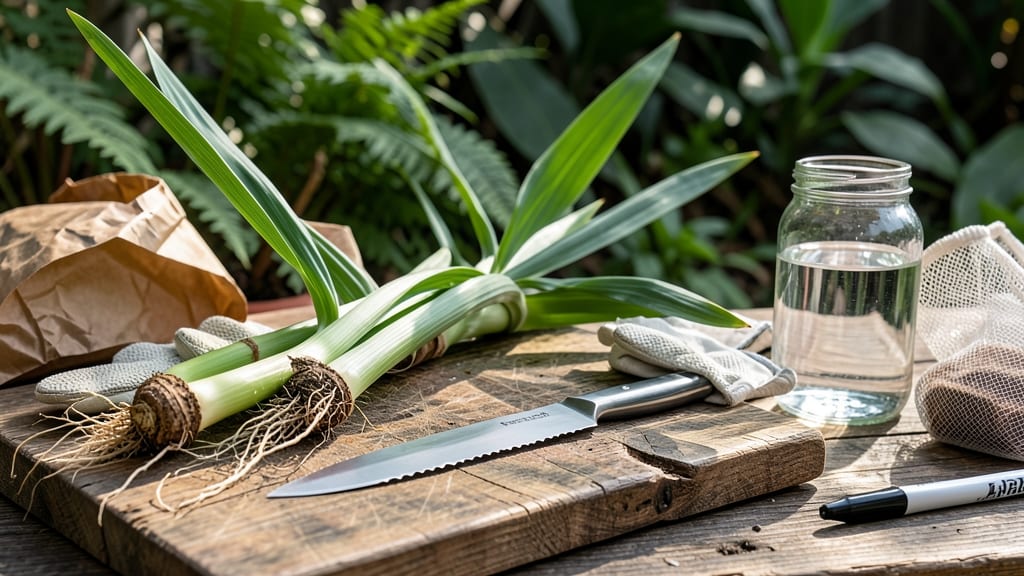
To harvest and store lemongrass at its peak flavor, timing and technique are everything—cutting too early or too late can turn that bright citrus punch into a bland afterthought.
Picture this: you’ve nurtured your 🍋 stalks for months, and now you’re ready to use them in curries, teas, or cocktails. But if you harvest at the wrong stage or store them improperly, that vibrant aroma fades faster than a summer breeze.
The good news? With the right steps, you can keep lemongrass fresh for months—whether you’re freezing, drying, or refrigerating it.
In this guide, I’ll walk you through the exact moment to snip those stalks (hint: it’s not when they’re fully mature) and the best storage methods to lock in that zesty flavor. No more wilted, flavorless lemongrass—just pure, potent freshness whenever you need it.
From avoiding common mistakes to maximizing shelf life, you’ll learn how to turn your harvest into a year-round staple. Ready to make the most of your lemongrass? Let’s get started.
When and how to harvest lemongrass for maximum flavor
Harvesting lemongrass at the right time ensures that vibrant citrusy aroma and tender texture stay intact. Unlike many herbs, lemongrass flavor intensifies as the stalks mature, but cutting too late can make them woody and bitter.
The key is timing—young stalks (6-12 months old) offer the mildest, most delicate flavor, while mature stalks (12+ months) pack a punchier taste. Whether you're growing it in tropical climates or temperate zones, understanding these nuances will transform your harvest.
In tropical climates, lemongrass grows year-round, so you can harvest continuously, but in temperate climates, focus on late summer through early fall before the first frost. The ideal harvest window is when stalks reach 3-4 feet tall and have a deep green color.
If left too long, the stalks become fibrous and lose their aromatic oils, which are concentrated in the lower 3-4 inches of the stem. This is where the magic happens—so don’t wait too long!
Before you grab your pruners, check for these 3 signs of readiness:
- The stalk should bend slightly but not snap easily.
- The base should emit a strong citrus scent when crushed.
- The outer leaves should be fully unfurled and vibrant. If your stalks meet these criteria, you’re ready to harvest for peak flavor.
How to Harvest and Store Lemongrass for Long-Term Use
- Step 1: Choose the Right Tools Use a sharp pair of pruning shears or a clean kitchen knife to avoid crushing the stalks. Disinfect your tools with rubbing alcohol to prevent disease.
- Step 2: Cut at the Base Hold the stalk at a 45-degree angle and cut 1-2 inches above the soil line. This encourages new growth and prevents the plant from becoming woody.
- Step 3: Trim the Stalks Remove the dry outer leaves and trim the hard bottom inch of the stalk. This exposes the tender, flavorful core you’ll use in cooking.
- Step 4: Bundle and Store Fresh For short-term use, store stalks in a glass of water in the fridge, like flowers. Replace the water every 2-3 days to keep them fresh for up to 2 weeks.
- Step 5: Prepare for Long-Term Storage For freezing or drying, bundle stalks with a rubber band and wrap tightly in plastic wrap. Freeze for up to 6 months or hang to dry in a warm, dark place for 1-2 weeks.
💡 Pro Tip: Never harvest more than 1/3 of the stalks at once to avoid stressing the plant.
One of the biggest mistakes gardeners make is overharvesting lemongrass. If you cut too many stalks at once, the plant may struggle to recover, especially in cooler climates. Aim to harvest only 2-3 stalks per plant every 2-3 months to maintain healthy growth.
Overgrowth also signals it’s time to divide and replant your lemongrass—look for crowded clumps or stalks that are thinner than a pencil.
For temperate climates, timing is everything. Harvest in late summer or early fall when the plant is at its peak. If you’re in a tropical climate, you can harvest year-round, but avoid heavy rains, as excess moisture weakens the stalks and dilutes flavor.
Always harvest on a dry, sunny morning to ensure the stalks are at their freshest and driest.
Did you know? The youngest stalks (those less than 6 months old) have the most delicate flavor, perfect for soups and teas. Mature stalks, however, are ideal for stir-fries and marinades due to their bold citrus notes.
To test readiness, gently squeeze the stalk—if it feels slightly soft and smells intensely citrusy, it’s harvest-ready!
After harvesting, never wash lemongrass until you’re ready to use it. The natural oils that give it flavor can wash away, leaving you with a mild, flavorless stalk. Instead, store it dry in the fridge or freezer until you’re ready to prep it.
For long-term storage, drying is your best bet—hang bundles upside down in a dark, well-ventilated area for 1-2 weeks until the stalks are crisp and brittle.
If your lemongrass starts to yellow or wilt, it’s a sign of over-maturity or stress. In this case, trim the outer leaves and store the stalks in a sealed container with a damp paper towel to revive them for a few days.
However, if the core is woody, it’s best to discard it and focus on harvesting younger stalks next time.
With these harvesting and storage tips, you’ll always have fresh, flavorful lemongrass on hand—whether you’re whipping up a spicy Thai curry or sipping a soothing lemongrass tea. Happy harvesting! 🌿
Best storage methods to preserve lemongrass freshness
Once you've harvested your lemongrass, proper storage is key to maintaining its citrusy aroma and flavor intensity. Different methods work better for different needs—whether you want short-term freshness or long-term preservation. I’ve tested five techniques to help you choose the best fit for your kitchen or garden.
Your storage choice depends on how quickly you'll use the lemongrass. For immediate use within a week, refrigeration works best. But if you're planning for months ahead, freezing or drying becomes essential. Each method has trade-offs, like flavor retention versus convenience.
Comparison Table: Best Lemongrass Storage Methods
| Method | Prep Steps | Shelf Life | Flavor Retention | Best For |
|---|---|---|---|---|
| Refrigeration | Trim ends, wrap in damp paper towel, place in sealed bag | 1–2 weeks | 9/10 | Short-term fresh use |
| Freezing | Trim, chop, blanch 2 mins, dry, freeze in bags | 6–12 months | 8/10 | Cooking, soups, stews |
| Drying | Bundle stems, hang upside down in dry, dark place | 12+ months | 7/10 | Tea blends, long-term storage |
| Pickling | Slice, pack in vinegar brine with garlic, seal jars | 3–6 months | 6/10 | Quick pickles, garnishes |
| Oil Infusion | Chop, submerge in oil, refrigerate in airtight container | 3–4 months | 8/10 | Dips, marinades, dressings |
For refrigeration, wrap whole stalks in a damp paper towel and store in a sealed bag. This keeps them crisp for 1–2 weeks, perfect if you’ll use them in stir-fries or garnishes. The flavor stays vibrant, but avoid storing cut lemongrass this way—it wilts faster.
If you're prepping for long-term use, freezing is my top recommendation. After blanching (dipping in boiling water for 2 minutes), chop the stalks and freeze in airtight bags. This method preserves 80% of the flavor for up to a year, ideal for curries or broths.
Drying works well for herb blends or teas, but expect a 20–30% flavor loss compared to fresh. Hang bundles in a dark, dry place for 2–3 weeks until crisp. Once dry, store in glass jars away from light to prevent oxidation.
For a ready-to-use option, try pickling. Thin slices in vinegar with garlic or chili keep for 3–6 months and add a tangy kick to dishes. Just note the flavor shifts slightly from fresh.
Oil infusion is another great choice—submerge chopped lemongrass in olive oil for dips or marinades that last 3–4 months.
My personal favorite is freezing because it balances convenience and flavor. But if you’re short on time, refrigeration keeps lemongrass usable for quick meals. Experiment to see which method works best for your cooking style!