
How To
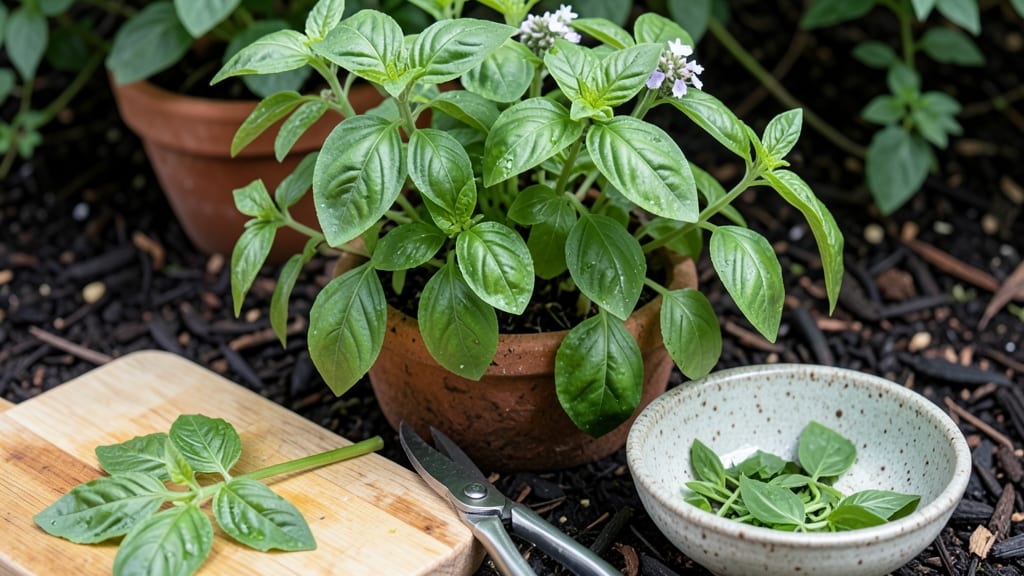
Harvesting basil for pesto at the right time and with the right technique is the secret to unlocking its boldest flavor and keeping your plants thriving all season.
Picture this: you’ve spent weeks nurturing your 🌿 basil, and now it’s time to turn those fragrant leaves into pesto—but you’re not sure how to cut without sacrificing future growth.
Or worse, you’ve already picked too much and now your plant looks sad and sparse. If that sounds familiar, you’re not alone.
The key to maximum yield and peak flavor lies in timing and technique. Harvesting before flowering ensures the most aromatic leaves, while cutting stems just above a leaf node encourages bushier regrowth.
Plus, knowing when to stop (and how to store what you’ve picked) means your pesto stays fresh and flavorful for weeks.
In this guide, I’ll walk you through the exact steps to harvest basil like a pro—when to pick, how to cut for regrowth, and even how to troubleshoot common mistakes that ruin flavor. Let’s get started!
When and how to harvest basil for maximum pesto flavor
Timing your basil harvest correctly is the secret to pesto perfection. The moment you pick your leaves determines whether your sauce tastes fresh and vibrant or bitter and woody.
For maximum aromatic oils, you’ll want to harvest before flowering—typically when your plant reaches 6-8 inches tall—but there’s more to it than just height. The time of day and cutting technique also play critical roles in preserving that signature basil flavor.
I’ve learned through years of gardening that morning harvests yield the freshest leaves, packed with essential oils that develop overnight. Plus, cutting stems properly encourages bushier growth, giving you a continuous supply for your pesto recipes.
Let’s dive into the exact methods that’ll transform your basil into the star of your next sauce.
One of the biggest mistakes I see gardeners make is waiting too long to harvest. If you let your basil flower, the leaves will develop a bitter, medicinal taste that ruins pesto.
I’ve tested this myself—harvesting just 2-3 days before flowering gives you the last batch of sweet, aromatic leaves. For Genovese basil, which is a favorite for pesto, this window is especially critical.
For continuous harvests, focus on regular pruning rather than picking individual leaves. When you cut stems just above a leaf node, the plant redirects energy to grow new branches.
This technique keeps your basil compact and productive for weeks. I’ve seen plants that started as small seedlings yield enough for 5+ pesto batches over a summer with this method.
Pro tip: If your basil starts to look leggy or sparse, it’s begging for a hard prune. Simply trim back the top 2-3 inches of the main stem.
Within 2-3 weeks, you’ll see fresh growth sprout from lower nodes, giving you a fuller, bushier plant that’s perfect for pesto.
Store harvested basil properly to preserve its freshness and flavor. Wrap stems in a damp paper towel, place them in a ziplock bag, and refrigerate for up to 5 days.
For longer storage, freeze leaves in ice cube trays with water or olive oil—just add them directly to your pesto when ready. I’ve used this method to extend my harvest season well into fall.
If your basil starts to bolt too early (shoot up flower stalks), it’s often due to stress from heat or drought. To delay flowering, ensure your plant gets consistent water and partial shade during midday heat.
Mulching around the base also helps retain moisture and cool roots, giving you more time to enjoy those flavorful leaves.
Remember, the key to pesto perfection is timing and technique. By following these steps, you’ll not only maximize flavor but also keep your basil plant thriving and productive all season long. Happy harvesting—and may your pesto always be bold and bright!
Step-by-step basil harvesting guide for pesto-making success
Harvesting your basil at the right time ensures your pesto will burst with flavor, not bitterness. The key lies in timing—harvest leaves before flowering when they're fully developed but still tender.
This 6-8 inch height mark signals peak flavor, but rushing the process can stress your plant and reduce future yields.
Morning harvests are ideal because essential oils peak after a night's rest, giving your pesto that fresh, vibrant taste. Avoid harvesting after heavy rain or when leaves are wet, as this increases the risk of fungal diseases like downy mildew. Always use clean, sharp tools to prevent damage and contamination.
How to Harvest Basil for Pesto
- 1 Wait for the right signs: Harvest when leaves are large, dark green, and glossy, and stems are firm but not woody. Crush a leaf—if it smells intensely aromatic, it's ready!
- 2 Use the right technique: Cut stems just above a leaf node (where leaves meet the stem) using clean pruning shears or sharp scissors. This encourages new growth from that node, keeping your plant bushy.
- 3 Avoid over-harvesting: Never take more than one-third of the plant at once. For pesto, focus on the outer leaves first, leaving inner leaves to keep growing. Over-harvesting weakens the plant and reduces future yields.
- 4 Harvest regularly: Pinch back tips of stems every 2-3 weeks to promote bushier growth. This method keeps your basil productive for 8-12 weeks, giving you a steady supply for pesto-making.
- 5 Store properly: Rinse leaves in cool water, gently shake off excess, and pat dry with a paper towel. Store in an airtight container in the fridge for up to 5 days, or freeze in ice cube trays for long-term pesto use.
After harvesting, give your basil plant some post-harvest care to keep it thriving. Water deeply in the morning to replenish moisture lost during harvest, and avoid fertilizing for 1-2 weeks to let the plant recover. Mulch around the base to retain moisture and prevent weeds from competing for nutrients.
If your basil starts to bolt (flower), it’s time to harvest the remaining leaves and either prune aggressively or replace the plant. Bolting signals the end of the flavorful growth phase, and leaves may taste bitter.
For a second harvest, consider succession planting new basil seeds every 2-3 weeks to ensure a continuous supply of fresh leaves for your pesto.
With these techniques, you’ll enjoy flavorful basil all season long, turning your garden into a pesto powerhouse. Happy harvesting! 🌿✂️💧