
How To
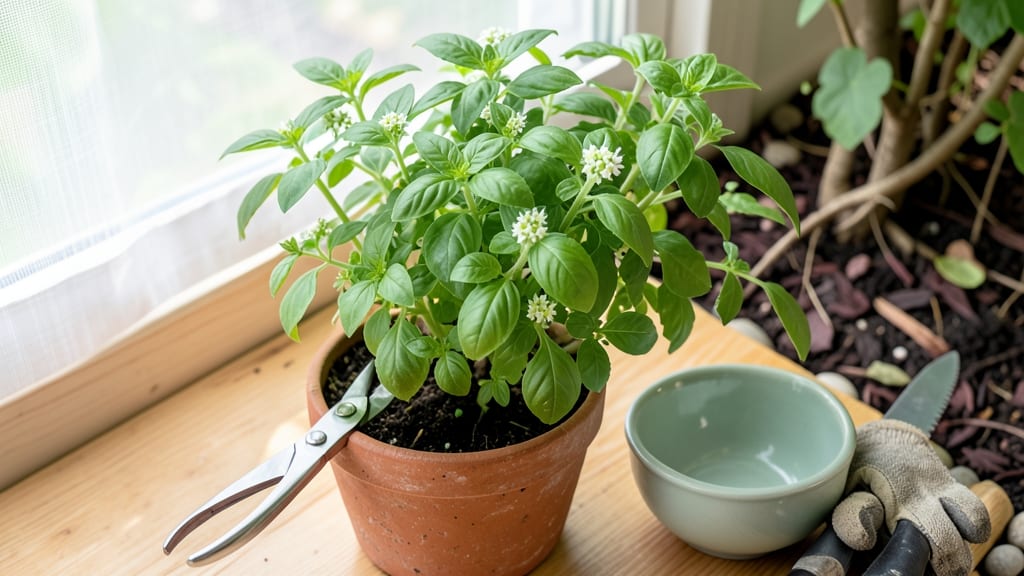
To harvest basil with pictures, start by pinching off the top leaves just above a pair of lower leaves when the plant reaches 6 inches tall—this keeps your 🌿 thriving and packed with flavor.
Fresh basil can transform your cooking, but harvesting it wrong ruins its flavor—and your plant. You might think snipping leaves at random is harmless, but the when and how make all the difference. One wrong cut can turn your aromatic herb into a bitter, leggy mess.
Below, I’ll walk you through the exact leaf-cutting times, which stems to trim (and which to avoid), and how to encourage regrowth. Every step includes visual cues so you can see the difference between a perfect harvest and a mistake.
By the end, you’ll know not just when to harvest but also how to store your bounty for maximum freshness—whether you’re making pesto, garnishing pasta, or freezing for winter. Let’s get started!
When and how to harvest basil for maximum flavor and growth
Harvesting basil at the right time isn't just about getting fresh leaves—it's about preserving that bright, sweet flavor while keeping your plant healthy.
The morning hours (between 8 AM and 10 AM) are ideal because the essential oils that give basil its aroma peak after dew has evaporated but before the heat of the day. If you harvest in the evening, you risk bitter-tasting leaves due to stress from heat accumulation.
Never wait until your basil starts flowering—those blooming stems signal the end of flavorful growth. Once flowers appear, the plant shifts energy from leaves to seeds, making them woody and bitter.
Instead, harvest when your plant reaches 6-8 inches tall and has at least 6-8 pairs of true leaves. This ensures you get the most flavor without stunting growth.
There are two key techniques: pinching (removing just the top leaves) and pruning (cutting stems). Pinching encourages bushier growth, while pruning larger stems gives you more leaves for cooking. Never remove more than 1/3 of the plant in a single harvest—this prevents shock and promotes regrowth.
Look for vibrant green leaves with a firm texture and a strong aroma when crushed. Avoid harvesting leaves that are yellowing, wilted, or have brown edges—these are signs of stress or disease. The bottom leaves often mature first, so start there to avoid overcrowding the plant.
Step-by-Step Basil Harvesting Guide
-
Step 1: Choose the Right Time
Harvest in the morning (8-10 AM) after dew has dried. Avoid evenings when leaves may taste bitter.
-
Step 2: Identify Ready Leaves
Look for large, vibrant green leaves with a firm stem. Crush a leaf—if it smells aromatic, it's ready.
-
Step 3: Decide on Technique
For pinching: Use fingers to pluck individual leaves from the top. For pruning: Cut stems 1-2 inches above a leaf node with clean scissors.
-
Step 4: Harvest Correctly
Cut stems at a 45-degree angle to increase surface area for water absorption. Avoid cutting into woody stems—focus on green, flexible growth.
-
Step 5: Post-Harvest Care
After harvesting, water the plant deeply and place it back in full sun. Remove any flowering stems immediately to redirect energy to leaf growth.
If you're harvesting for pesto or large batches, focus on the larger outer leaves first. These are fully mature and packed with flavor. The inner leaves stay tender and continue growing.
For continuous harvests, aim to remove 1/3 of the plant every 2-3 weeks—this keeps your basil bushy and productive.
One common mistake is over-harvesting. If your basil looks stunted, yellow, or sparse, it’s a sign you’ve taken too much. Give it time to recover with regular watering and sunlight. Another tip: Rotate your harvesting spots to avoid weakening one side of the plant.
For indoor basil, the same rules apply, but monitor light exposure closely. If leaves start stretching toward the window (a sign of etiolation), move the plant closer to the light source or supplement with a grow light.
Indoor basil may need slightly more frequent harvesting (every 1-2 weeks) to encourage dense growth.
Store harvested basil by wrapping stems in a damp paper towel and placing them in a plastic bag in the fridge. This keeps them fresh for up to 1 week. For longer storage, freeze leaves in oil or ice cube trays—perfect for preserving flavor for future recipes.
Visual guide: what to cut and what to avoid in basil harvesting
Harvesting basil correctly determines whether your plant thrives or struggles. The key rule is to never remove more than 1/3 of the plant in a single harvest—this ensures your basil keeps producing flavorful leaves.
Focus on the top leaves first, as these are the most mature and aromatic, while leaving the lower leaves to continue photosynthesis.
Many gardeners make the mistake of cutting stems too short or snipping leaves from the bottom. This strangles growth by removing the plant's energy source. Instead, always cut above a leaf node (the point where leaves grow) to encourage branching and bushier growth.
Use clean, sharp pruning shears or scissors to avoid damaging stems.
The ideal harvesting time is in the morning after dew has dried but before the sun peaks. This ensures you get the most flavorful leaves, as they’ve had time to absorb moisture overnight. Avoid harvesting in the evening, as leaves may be damp, increasing the risk of fungal diseases.
When harvesting basil, always prioritize healthy, mature leaves over small or yellowing ones. If you notice woody stems or sparse foliage, it’s a sign you’ve over-harvested. In this case, reduce frequency and focus on new growth to revive the plant.
Regular harvesting actually boosts production by encouraging the plant to grow fuller and more vigorously.
Store harvested basil properly to preserve its flavor. Wrap stems in a damp paper towel and place them in a plastic bag in the fridge for up to a week. For longer storage, freeze leaves in olive oil or blend into pesto and freeze in ice cube trays.
This way, you’ll always have fresh basil on hand without sacrificing your plant’s health.
Remember, the goal is to balance harvest with plant health. With the right techniques, your basil will reward you with abundant, flavorful leaves all season long. Happy harvesting! 🌿✂️