
How To
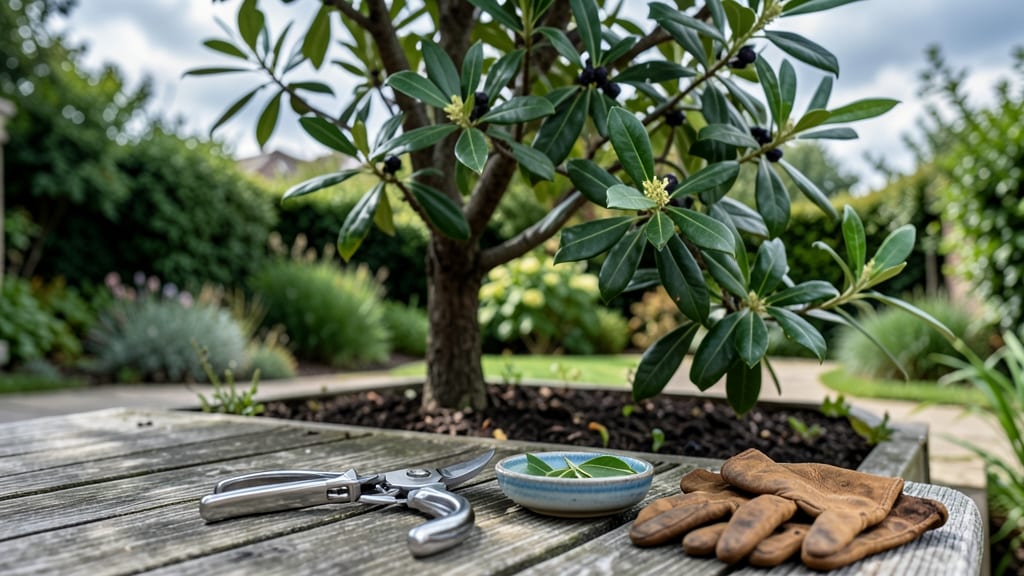
Harvesting bay leaves at the right time ensures they pack the bold, aromatic flavor your dishes deserve.
Bay leaves are a kitchen staple, but their flavor peaks only when harvested at the right time—knowing when and how to pick them ensures your cooking stays aromatic and authentic.
You don’t need to wait for a specific season, since these 🌿 evergreens can be harvested year-round, but timing still matters. Mature leaves—dark green, glossy, and firm—deliver the best taste, while young or wilted ones fall short.
In this guide, I’ll walk you through the best methods for harvesting, storing, and preserving bay leaves so you always have fresh, fragrant leaves ready for soups, stews, and more.
Best time to harvest bay leaves for peak flavor and fragrance
Harvesting bay leaves at the right moment unlocks their full aromatic potential. Unlike many herbs, bay laurel (Laurus nobilis) produces leaves that mature gradually, and timing your harvest ensures the richest culinary flavor and fragrant oils.
The best time to harvest depends on leaf maturity, seasonal growth cycles, and environmental conditions like sunlight exposure and temperature.
For peak flavor, aim to harvest bay leaves when they’ve reached full maturity but before they become overly woody or yellowed. Mature leaves are typically dark green, glossy, and emit a distinct citrusy-sweet aroma when crushed.
Young leaves may lack intensity, while old leaves can taste bitter or dull. Understanding these visual and sensory cues will help you time your harvest perfectly.
Seasonally, spring and early summer (April–June) are ideal for harvesting bay leaves in most climates, as this is when new growth is vigorous and leaves are at their most fragrant. However, bay laurel is evergreen, meaning you can harvest leaves year-round—just adjust for growth cycles.
In warmer regions, leaves may continue producing flavorful foliage through fall, while colder climates might see slowed growth in winter months.
Environmental factors like sunlight exposure and temperature also influence flavor. Plants grown in full sun (6+ hours daily) produce leaves with higher essential oil content, enhancing their aroma. If your bay tree is in partial shade, leaves may develop a milder flavor.
Additionally, drought stress can concentrate oils, but overwatering leads to pale, waterlogged leaves with reduced potency.
| Harvest Indicator | Description | Best Action |
|---|---|---|
| Leaf Color | Dark green, glossy, and vibrant | Harvest now for peak flavor |
| Leaf Size | 3–5 inches long, firm texture | Ideal for drying or fresh use |
| Aroma Test | Strong citrusy-sweet scent when crushed | Perfect for culinary harvest |
| Growth Stage | Mature leaves on non-flowering stems | Avoid harvesting near flowers |
| Seasonal Timing | Spring–early summer (April–June) | Best flavor concentration |
To identify ready-to-harvest leaves, focus on their physical characteristics. Mature bay leaves should be dark green with a leathery texture, not soft or pale. Run your fingers along the stem—if the leaf separates cleanly without tearing, it’s ready.
A quick aroma test is foolproof: crush a leaf between your fingers. A strong, sweet citrusy scent confirms peak flavor, while a weak or musty smell signals overripe or stressed leaves.
Harvesting in the morning after dew has evaporated is ideal, as leaves contain the highest essential oil concentration at this time. Avoid harvesting after heavy rain, as moisture can dilute flavors and increase the risk of fungal issues.
If you’re growing bay laurel in a container, ensure the soil is slightly dry before harvesting to prevent root stress. For outdoor plants, focus on lower branches first to encourage bushier growth.
One common mistake is harvesting too aggressively, which can stress the plant. Never remove more than one-third of the foliage at once, and avoid cutting into old wood, as new growth may take longer to develop.
Instead, prioritize outer leaves and non-flowering stems to maintain the plant’s health. With proper care, a healthy bay laurel can produce harvestable leaves for decades, making it a rewarding addition to any garden.
For culinary use, fresh bay leaves are best used within a few days, but drying preserves their flavor for months. If you’re harvesting for ornamental purposes, such as potpourri, aim for leaves with the most intense aroma.
Regardless of your goal, timing your harvest based on leaf maturity and seasonal cues ensures your bay leaves deliver the richest flavor and fragrance every time.
🌿
Step-by-step guide to harvesting bay leaves without damaging the plant
Harvesting bay leaves correctly ensures your bay laurel plant stays healthy while providing the most flavorful leaves for your kitchen. Over-harvesting weakens the plant, but with the right techniques, you can enjoy a steady supply of aromatic leaves year-round.
The key is to prune strategically and use proper tools to avoid stressing the plant.
Before you begin, gather your harvesting tools: sharp pruning shears, clean scissors, or even your fingers for individual leaves. Always sterilize your tools with rubbing alcohol to prevent disease. Harvesting at the right time—when leaves are mature and fragrant—makes all the difference in flavor and plant health.
How to Harvest Bay Leaves
- Step 1: Identify Mature Leaves Look for dark green, glossy leaves that are firm to the touch. Avoid small or pale leaves—they won’t have the rich flavor.
- Step 2: Choose Your Method For individual leaves, pinch them off at the stem. For small stems, use clean pruning shears to cut just above a leaf node.
- Step 3: Harvest Strategically Never take more than 1/3 of the plant’s leaves at once. Focus on outer leaves first to encourage new growth from the center.
- Step 4: Prune for Shape (Optional) If your plant is overgrown, trim back long, leggy branches to encourage bushier growth. Cut just above a leaf node for best results.
- Step 5: Clean and Store Remove any damaged leaves and rinse fresh leaves gently. Let them air-dry before storing in a cool, dark place or drying for long-term use.
After harvesting, monitor your bay laurel plant for signs of stress, like yellowing leaves or slow growth. If you notice these, reduce future harvests and ensure the plant gets enough water and sunlight. A well-maintained bay laurel can produce leaves for decades, so treat it with care!
For year-round harvesting, avoid heavy pruning in late fall or winter when the plant is dormant. Instead, focus on light harvests during the growing season (spring and summer) when the plant is most resilient.
With patience, your bay laurel will reward you with a bountiful supply of flavorful leaves.
Pro tip: If you’re drying bay leaves, harvest them on a sunny morning when their essential oils are at their peak. This ensures maximum aroma and flavor retention for your culinary creations.